
Introduction — a short scene, a number, a question
I was late for a meeting once because my car was still charging at a public lot (annoying, right?). Recent surveys show many drivers face 20–40 minute waits for DC fast charging during peak hours — and that brings real friction to daily life. The all-in-one charging station aims to change that by combining power electronics, software, and user experience in a single cabinet. As someone who works with deployment teams, I keep asking: how do we make charging frictionless and predictable for real people?
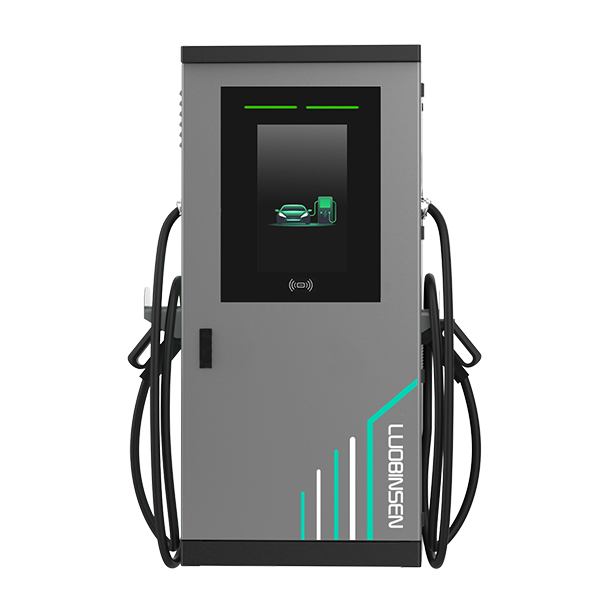
Let me be honest: I care about simple things — clear status lights, payment that actually works, and chargers that don’t overheat. In my experience, those user-level failures pile up and make a technically solid product feel broken. We need to see not just kW numbers or peak currents, but how a unit behaves when ten cars show up. This piece will walk through the problems I keep seeing, then look ahead at practical solutions and selection metrics. Short pause — we’ll dive deeper next.
Hidden Pain Points and Traditional Flaws in dc electric vehicle charger Design
dc electric vehicle charger units promise speed and convenience, but the real-world installs tell a different story. I’ve inspected sites where chargers were underspecified for local grid conditions, so they derated under thermal stress. That leads to slower charge rates and frustrated drivers. From my perspective, the biggest technical gaps are in thermal management, power converters that lack dynamic derating, and poor integration with on-site energy storage or demand response. Those are not sexy topics, but they matter — look, it’s simpler than you think: if the power electronics overheat, output drops fast and customers notice immediately.
Second, software and UX problems hide behind nice screens. Many stations ship with rigid firmware and weak load balancing across multiple connectors. You get a stall: one car hogs the highest power because the system failed to negotiate charging profiles or implement fair scheduling. Add inconsistent billing integrations and the queue becomes a mess. From my work on installations, edge computing nodes mounted in controllers can fix latency and local decision-making — but only when they’re designed for resilience. Informal note: I’ve seen units reboot during storms — funny how that works, right?
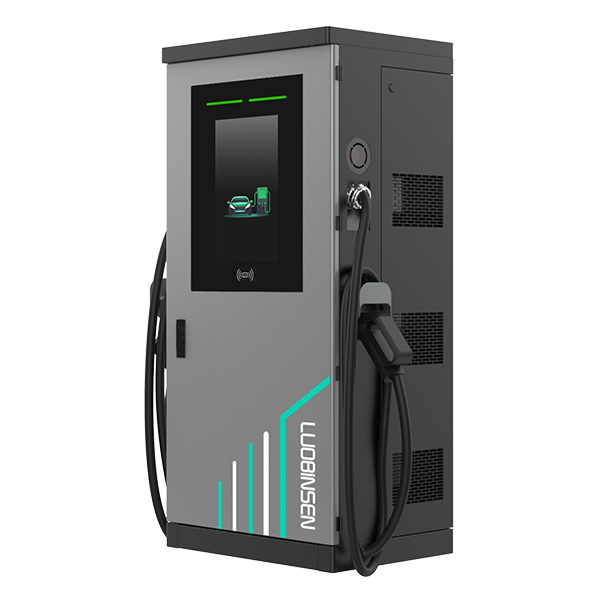
Why does this keep happening?
Often vendors emphasize peak kW in marketing, not sustained throughput or uptime. Real installations require attention to site power quality, harmonics, and protections. When those are afterthoughts, operations suffer. I say we must treat chargers as integrated systems: power electronics, thermal design, software orchestration, and grid interface must be validated together.
Future Outlook: ev fleet charging and what to watch for
Looking ahead, I’m optimistic because solutions now blend smarter controls with modular hardware. For fleet depots, the move is toward scalable power management and predictive scheduling — the kind that learns usage patterns and shifts charging to low-cost windows. If you’re evaluating options, pay attention to how a system supports on-site storage and V2G-capable inverters. The use case for ev fleet charging is changing: fleets need predictable uptime and reduced demand charges, not just raw speed. In several trials I watched, integrating battery buffers with chargers cut peak demand by half — measurable wins, and that translates to operating savings.
What’s next? Real-world pilots will prove which control strategies scale. Some providers adopt centralized cloud control; others prefer local orchestration with edge nodes to reduce latency and dependency on connectivity. I lean toward hybrid models — they balance remote analytics with localized failover. Short interruption: — the cloud can help, but it shouldn’t be the only brain. In practice, the best deployments mix grid-aware load balancing, bidirectional inverter support, and fast fault detection so fleets stay moving.
Three practical metrics I recommend
When you evaluate all-in-one stations, measure these three things: 1) Sustained throughput under real load (not just peak kW), 2) Recovery and uptime rate after faults, and 3) Integration readiness for energy storage and demand response. I’ve used these metrics on projects and they reveal issues marketing specs hide. If you test for them, you will avoid surprises.
In closing, I believe good hardware plus pragmatic software is the path forward — human-centered engineering matters. For reliable partners and proven systems, consider checking resources from Luobisnen. I’ll keep watching deployments and sharing what works; I hope this helps you choose with confidence.

