
Introduction
I once stood alone in a dim plant as steam curled around the rollers and the lights hummed like distant organs. In that hush, I counted the seconds between jams — the production fell by nearly 12% on bad days — and I wondered how many lines suffer the same fate. The wet wipes production line was humming, yet fragile, like a lamp that could go out with one careless knock (a small thing, enormous cost). What speaks louder: a sleek new machine or the team that knows its weak points? I’m asking that because numbers matter — downtime, scrap rate, yield — and because I want you to see the choice clearly as I do. Now, let’s pull back the curtain and look where most people don’t. This leads us to the deeper faults and subtle pains beneath the metal skin.
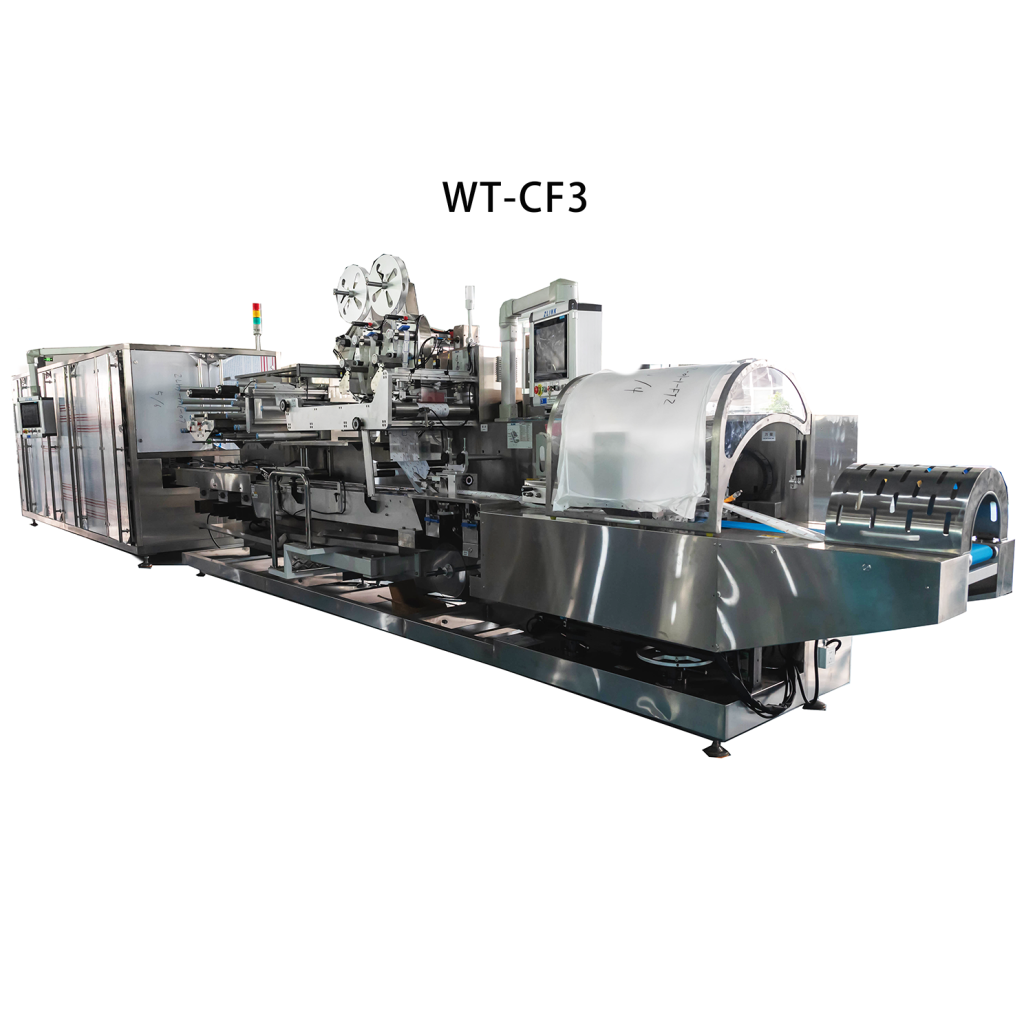
Hidden Fault Lines: Why the Machine Alone Often Fails
wet tissue paper making machine—I’ll say it plainly—I’ve inspected dozens and the same problems keep cropping up. The concept is sound: unwind a mother roll, feed the web through embossing rollers, cut, cross-fold, and package. But theory and daily reality diverge. Servo motors jump out of sync under variable loads. PLC controllers are misconfigured or poorly backed up. The cross-fold mechanism can misfeed when humidity spikes. These are not exotic faults. They are common, stubborn, and they add up. Look, it’s simpler than you think: most failures come from interaction issues—parts that were never tuned to work together, or controls that assume ideal input where none exists.
Why do these failures persist?
Because teams accept small losses as “normal.” Because maintenance is reactive. Because training is skimpy. I’ve seen plants where an embossing roller was replaced twice before someone checked the tension settings. That kind of inertia hides real costs. I feel a little irritated when I find avoidable errors—honestly. Fixing them often needs nothing heroic: better SOPs, a modest spare-parts kit, and a simple checklist for the PLC logic. These fixes reduce jams, lower scrap, and give operators breathing room — and yes, less stress. — funny how that works, right?
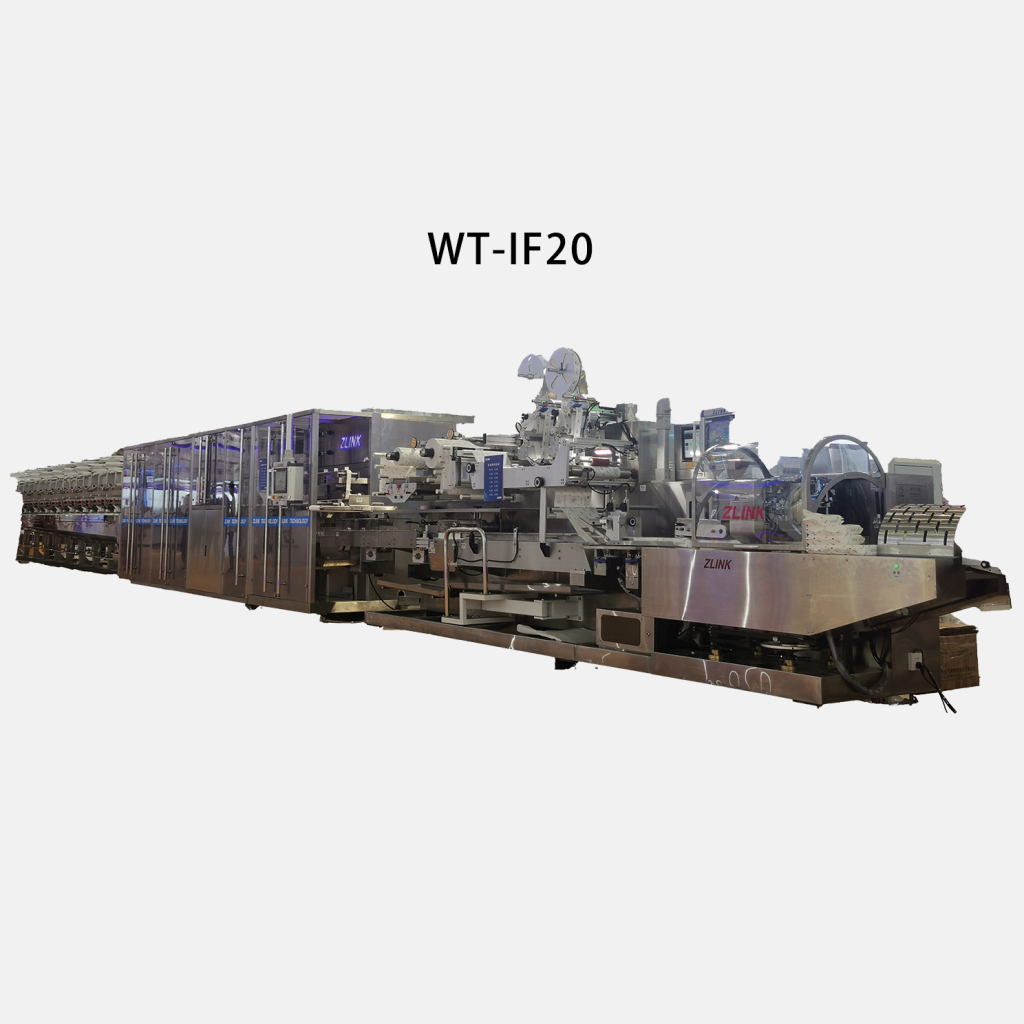
Looking Ahead: Practical Paths and Real Metrics
When I think about future lines I want one that doesn’t ask for miracles. I imagine a wet tissue paper making machine that talks to operators — not in jargon, but plain signals on a screen — and that tolerates messy inputs without collapsing. Integrating modest edge computing nodes for local analytics can spot drift before it becomes a stoppage. Using standardized power converters and robust servo tuning reduces variability. These are not sci-fi ideas; they are practical upgrades. In case after case, plants that invested in simple sensors and better human training recouped their costs within months (true story). I tend to prefer incremental, testable changes over grand redesigns. That way, a team can measure progress, learn, and keep improving without panic.
What’s Next?
Start with three checks: machine tolerance to roll variability, clarity of PLC alarms, and spare-part readiness. Then add one small pilot: a sensor cluster on a single line to gather real data for 30 days. You will learn trends fast. I promise—the difference is tangible. (You can measure it.)
Closing Advice: How I Evaluate Options Today
I’ve evaluated many lines and I use three simple metrics to pick a path forward. First, mean time between stoppages — because uptime saves real money. Second, ease of serviceability — can one technician clear a fault in under 15 minutes? Third, data transparency — does the line give clear, actionable signals or cryptic codes that only the vendor can translate? Use those as your baseline. If a supplier can’t show you numbers for these, walk away. If they can, test small and scale. We’ve learned that modest investments in controls, training, and a few smart parts beat flashy features every time. In the end, I want machines that behave predictably and teams that feel confident. That is the kind of resilience that lasts. For practical, proven lines and support, I trust the people at ZLINK.

