
Introduction: Defining the Core Tool and Its Stakes
I begin with a clear definition: a vertical machining center is a machine tool that performs milling, drilling, and tapping with a vertical spindle. For many manufacturers, especially vertical machining center manufacturers, this single device shapes lead times, scrap rates, and shop-floor rhythm (we see it every week). Recent shop-floor audits show cycle-time variability as high as 22% across similar parts—so the question becomes: how do we tighten that spread while keeping costs predictable? I’ll sketch a practical view, grounded in measured data and everyday scenarios, and then move toward solutions you can test tomorrow. Next, I’ll examine where common fixes fail and what users quietly tolerate.

Part 2 — Where Common Fixes Fall Short (and What Users Endure)
vertical machining center for sale — bold claim: swapping a single machine rarely cures production headaches. Too many teams treat the purchase as the cure-all. Look, it’s simpler than you think: replacing an older model without addressing fixture repeatability, spindle runout, or tool-change bottlenecks only shifts problems. I’ve watched shops buy a new VMC and still battle poor surface finish because the coolant system and tooling strategy were never reworked. That frustration is real; I’ve felt it when a week and a small fortune yield no measurable improvement.
Hidden pain points hide in plain sight. Operators tolerate slow handoffs of parts between stations because the tool changer stalls at high temperature. Maintenance teams accept shorter spindle life because the bearing preload was set by checklist rather than measurement. Meanwhile—funny how that works, right?—production planners accept optimistic cycle times that never match reality. Terms like spindle speed, tool changer, CNC controller, and coolant system aren’t jargon here; they’re levers. When these levers are misaligned, throughput and quality suffer. We must look beyond headline specs (rpm, torque) and fix the ecosystem around the machine: fixturing, program optimization, inspection cadence, and preventive maintenance schedules.
Why do these fixes not stick?
Because organizations treat symptoms as the disease. I prefer to start with operator feedback, then validate with data from the CNC controller and vibration logs. Only then do we rebuild the process so gains are durable.
Part 3 — Principles for New Technology Adoption and a Forward View
When I talk about new technology principles, I mean practical rules that guide investment and deployment. First, prioritize data that matters: spindle load, axis backlash, and tool life trends. Second, favor modular upgrades — edge computing nodes for local analytics, smarter power converters for stable drives, or predictive maintenance hooks in the CNC controller — so you don’t rebuild everything at once. Third, validate with a pilot cell before scaling. These principles help you test the promise of a vertical cnc machining center in a way that produces reliable metrics, not showroom gloss.
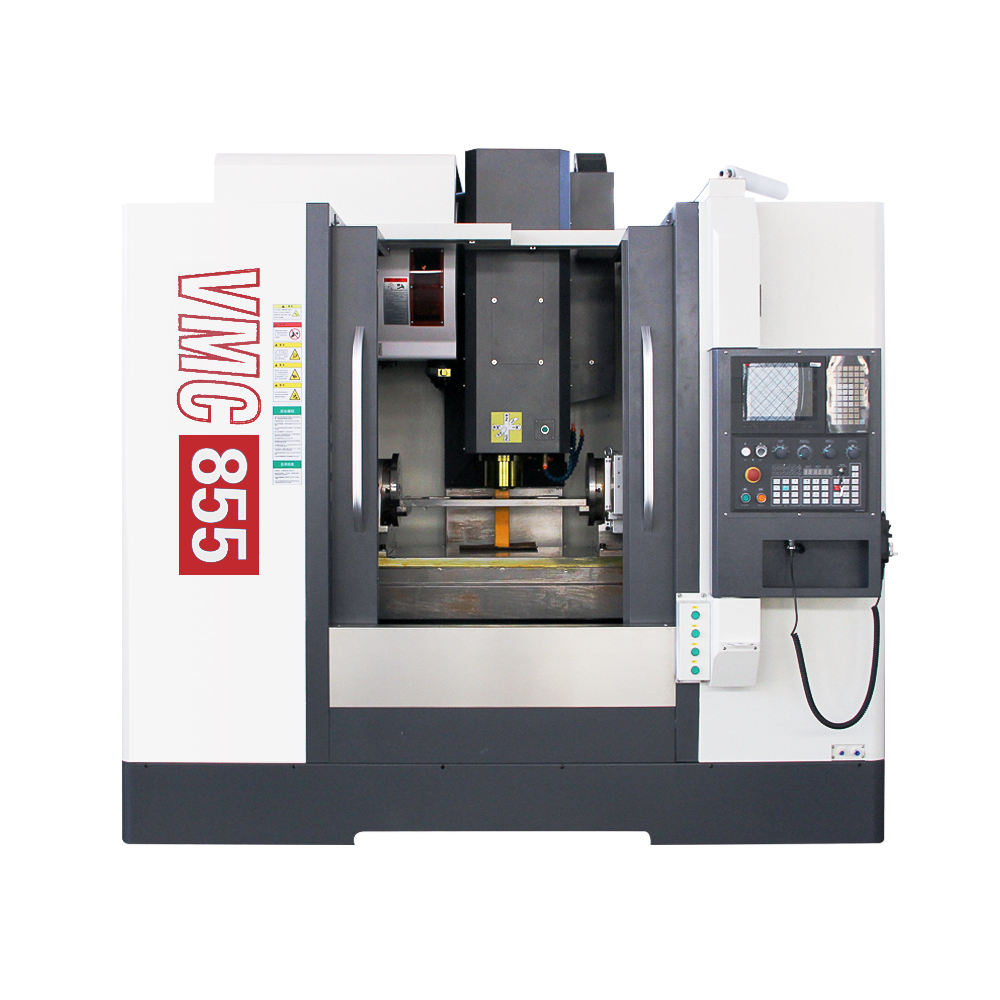
Technically, retrofitting sensors and linking them to a shop-floor MES can reveal micro-failures you never knew existed — servo motors overheating during long cycles, or subtle spindle harmonics that spoil tolerance. We ran one such pilot: three machines instrumented in a week, measurable drop in scrap by 17% in two months, and happier operators because their headaches were finally recorded and fixed. The takeaway: invest in instrumentation and analytics, but keep your changes incremental and measurable — we avoid costly rework that way. — I keep this approach blunt by design; it saves time and budget.
What’s Next — How to Choose and Measure Progress
To close, I offer three evaluation metrics you can use right away: 1) Effective Cycle Time Reduction — measure the realistic cycle time before and after interventions; 2) First-Pass Yield Improvement — track quality gains per part family; 3) Mean Time Between Failures for key components like spindle bearings and tool changers. Use these to compare options and to set KPIs for any vendor or internal project. I prefer clear numbers over confident claims; they tell you whether a change actually helped.
I hope you find these comparative insights useful. I’ve worked with teams who were skeptical at first and then surprised by how small, deliberate steps made a big difference. If you want a pragmatic partner that blends shop-floor experience with technical upgrades, consider starting a conversation with Leichman. We can map a pilot, measure the results, and iterate from there.

