
Introduction
Have you ever wondered why a perfectly programmed job can still come out wrong? For many shops the scenario is familiar: a small batch order arrives, tolerances tighten, and production timelines shrink. CNC machining center manufacturers are often blamed — but the data tell a wider story (downtime climbs, scrap rates hover above 3–5%, and lead times stretch). So what exactly breaks down between design intent and finished part when everything seems in place?

I’ll be frank: we’re about to look closely at where processes trip up. I’ve seen mills stall over toolpaths, controllers misinterpret feeds, and surprisingly trivial things — like coolant starvation — wreck an otherwise sound setup. This piece will step through that messy middle, point to the hidden costs, and prepare you for more robust choices. Onward to the deeper faults that rarely make it into sales brochures.
Uncovering the Deeper Flaws in Current Solutions
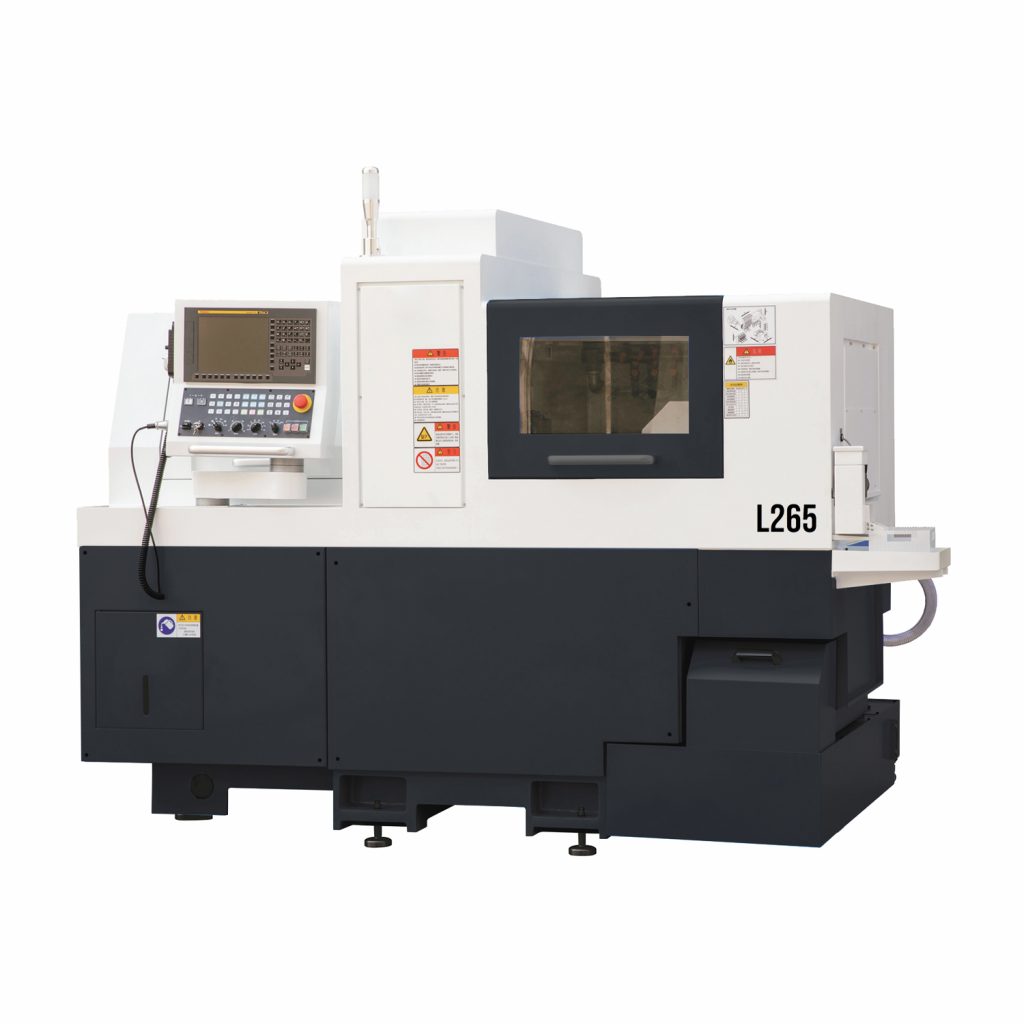
machining center cnc units promise repeatability, yet many shops lose it in day-to-day practice. I want to explain where the promise fails: inaccurate spindle speed control, sloppy tool changer indexing, and backlash in the axes all add up. These are not exotic problems. They are plain engineering frictions that add scrap and force rework. Look, it’s simpler than you think — small mechanical tolerances and software assumptions collide.
Technically speaking, the root causes tend to cluster into a few categories: mechanical wear (linear guides and ball screws), control-layer mismatches (CNC controller firmware versus CAM output), and thermal drift during long cycles. I’ve watched a high-precision job go out of tolerance because the servo drives warmed and changed behaviour mid-run. We must also call out hidden user pain: operators juggling complex offsets and manual tool corrections — that slows throughput and injects human error. In practice, improving one area without the others gives only partial benefit.
What’s the usual blind spot?
Most teams focus on cycle time and ignore diagnostic telemetry. The result: intermittent faults that feel random. But they aren’t random — they’re symptoms of system mismatch and neglected calibration routines.
Future Outlook: Practical Steps and Case Hints for Better Outcomes
Looking forward, I favour realistic, incremental fixes rather than silver bullets. When I advise a shop upgrading a cnc machine center, we start by stabilising the basics: tighten mechanical tolerances, refine toolpath strategies, and standardise coolant delivery. These steps reduce variability fast. In one case I worked on, correcting coolant pressure and rebalancing spindle bearings cut scrap by half — surprising, but true.
There’s also a place for smarter controls. Edge diagnostics and simple telemetry — axis load monitoring, spindle vibration sensing, and tool-life counters — let you catch trends before a run fails. I’m cautious about over-automation; the human operator still reads the feel of the machine. Yet, pairing sensible automation with better UX in the controller reduces mistakes. — funny how that works, right?
Real-world Impact
Adopting modest new practices can transform outcomes. Case studies show that aligning CAM outputs with controller limits, enforcing routine calibration, and upgrading worn servo drives consistently improve first-pass yield. I recommend trialling changes on a single cell, measure the gains, then scale. That approach limits risk and builds operator confidence.
Closing: How to Choose the Right Path — Three Practical Metrics
I’ll leave you with three metrics I use when evaluating solutions: 1) Repeatability under load — measure parts per million out-of-tolerance after a full shift; 2) Mean time between corrective actions — track how often operators must intervene; 3) Diagnostic coverage — percentage of critical sensors and telemetry in use. These are not glamorous, but they tell you what matters. If a vendor can’t supply baseline numbers for these, be sceptical — I would be.
In my view, the industry does not need grand promises. We need honest measurement, targeted fixes, and better operator tools. That combination wins in the workshop. For practical systems and support, consider exploring Leichman.