
Introduction — a question on the floor
Ever watch a shop floor slow to a crawl because a lathe won’t hold a tiny tolerance — and wonder who really dropped the ball? (Yo, I see you shaking your head.)
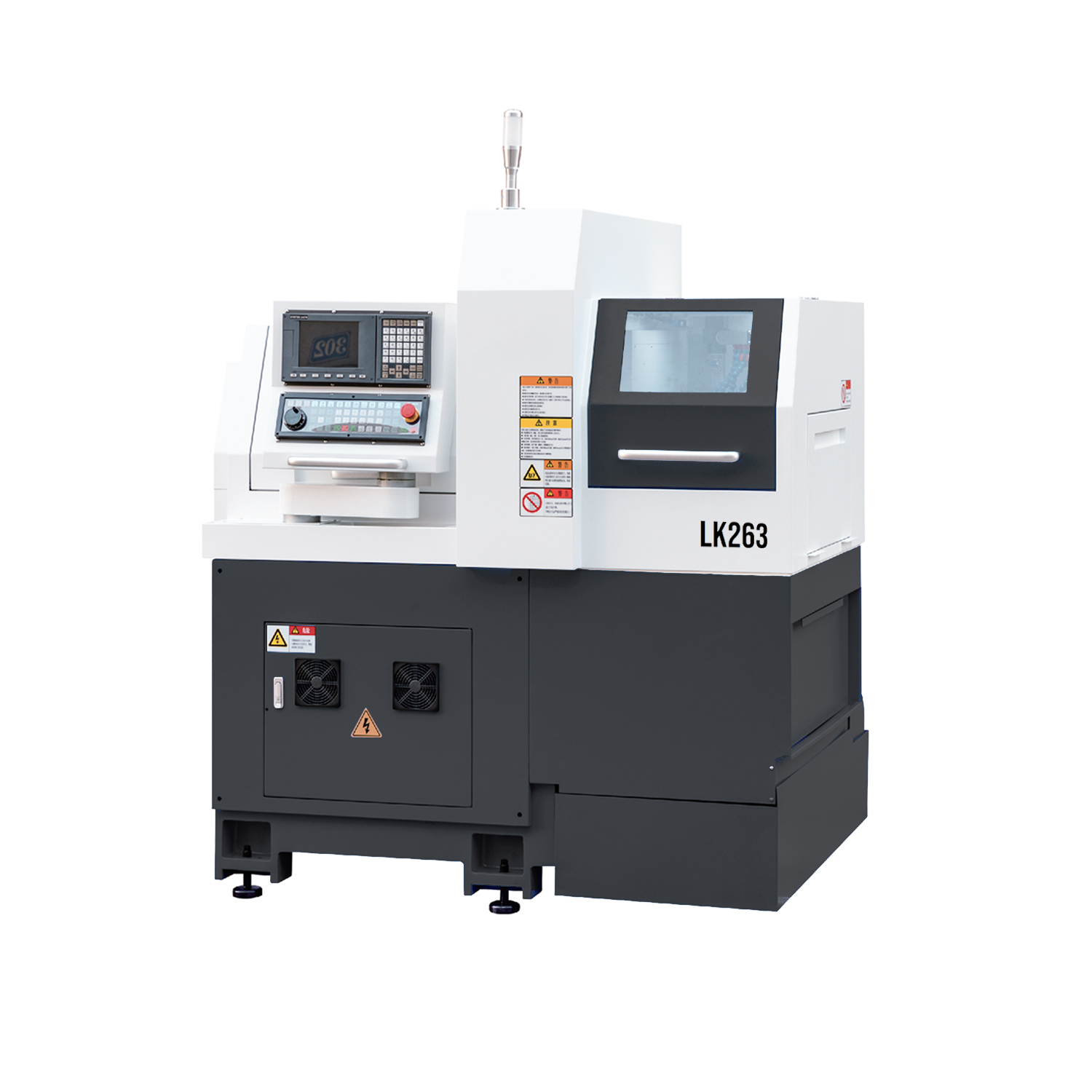
When I talk with CNC lathe manufacturers, I hear the same beat: pressure to cut cycle times, promises of zero-defect runs, and the reality of tool chatter and surprise downtime. Industry chatter and a handful of surveys point to tooling and control mismatches as big drivers of lost hours — people lose weeks of productivity over months, not days. So what actually trips us up: the machine, the tooling, or the way we pair them?
Let’s be clear: I’m not selling hype. I’m trying to map the mess with plain talk — like comparing two tracks to see which one keeps the groove. This intro sets the scene and asks the question that guides the rest of the piece: where are the gaps in classic practice, and how do we fix them without trading one problem for another? — funny how that works, right? Next, I’ll dig into the real weak spots behind the curtain.
Part 2 — The deeper layer: why traditional fixes fall short (technical read)
cnc lathe tools are sold like magic wands: swap in a new insert, and the world changes. In practice, though, the mismatch between tool geometry, spindle speed, and material behavior kills consistency. I see shops that pile on higher spindle RPMs to shave seconds, then wonder why chatter spikes. It’s a systems problem: servo motors, spindle speed control, and coolant strategy must be tuned together. Look, it’s simpler than you think — but only if you stop treating tools as one-off fixes.
Traditional solutions blame the tool or the operator. But the truth I keep coming back to is deeper. Tool turret indexing and improper dwell settings cause more subtle vibration than a blunt failed insert. Power converters and inconsistent coolant delivery make the control loop behave oddly — and engineers chase symptoms. I want to emphasize two things: first, stop assuming higher feeds always help; second, measure. Put a quick sensor on the tool holder, check spindle torque curves, and you’ll spot problems sooner. — I mean it: start with data, not opinion. This technical shift is small but it changes decisions across the board.
So what goes wrong most?
Mostly, it’s integration gaps. Tools, holders, and the CNC controller rarely get specified as a single package. That gap hides latency in edge computing nodes that could predict chatter, and it takes weeks to prove out. I prefer iterative checks — short tests, tweak, repeat — rather than big, risky rollouts. That approach saves time and keeps morale up (operators actually like steady results).
Part 3 — Future outlook: where the smarter shops are headed
Looking forward, vendors and shops are closing the loop. I see more adoption of embedded sensors, better spindle telemetry, and smarter tool libraries from cnc lathe suppliers that let teams match tool paths to material behavior before a full production run. The shift is not just tech-add; it’s a change in how we plan jobs. When you treat a setup as a small experiment — collect data, revise feeds, update the tool library — you reduce surprises. This is semi-formal, but practical: it’s about predictable cycles and lower scrap. — yes, it’s work up front, but payoffs are real.
What’s next? Real-time analytics layered over tried-and-true mechanics. Imagine tool-path previews that flag likely chatter or a spindle control tune that auto-adjusts to keep torque in a sweet band. I don’t want to oversell; adoption takes time and training. Still, if you pick partners who provide transparent metrics, you get measurable wins faster.
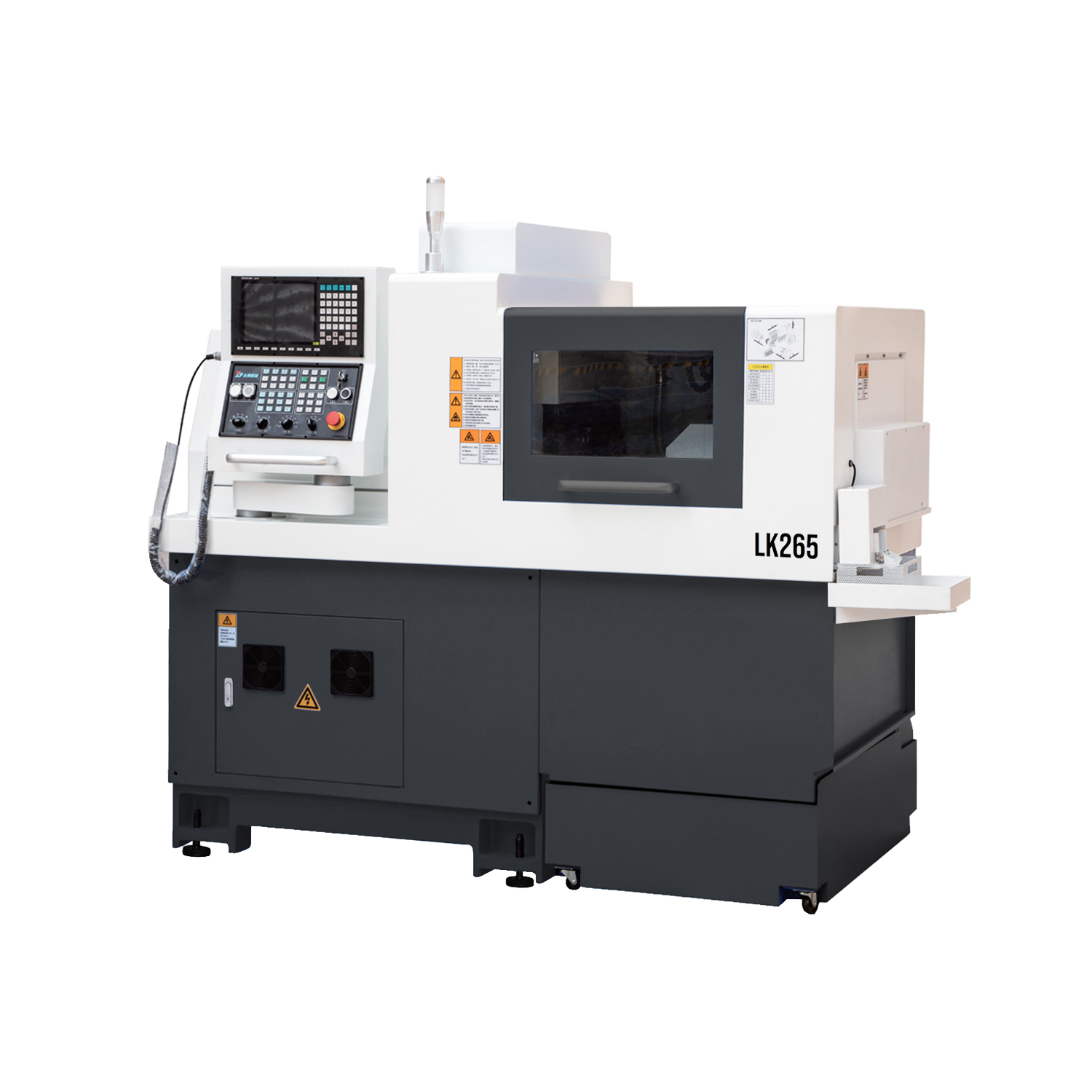
What should you measure?
I recommend three core evaluation metrics when comparing solutions: 1) process stability — variance in cycle time and finish, 2) integration readiness — how easily the solution talks to your CNC controller and tool library, and 3) mean time to recover — how long it takes to get back to spec after a fault. Use those as your shortlist. They’ll cut through the marketing noise and surface real value, fast.
In short: we shift from hammering features to weighing tradeoffs. I favor partners that share raw data and let us test in our environment. If you want a name to start the conversation, try checking resources from Leichman — they lay out specs plainly, and that matters when you’re making choices that affect real people on the floor.

