
Introduction: A Night Shift, a Spark, and a Question
I once stood beside a crew patching a valve at midnight while the plant lights hummed—an ordinary scene that kept me awake afterward. In that crew’s toolbox sat a set of spark resistant tools, and I could see how small changes matter. Industry reports link tool-made sparks to a notable slice of ignition events in hazardous zones (it’s more common than most folks think). So I kept asking: how do we balance practical speed with real, measurable safety when every tool might be the difference between a safe shift and a costly incident? I write from the founder’s bench—curious, impatient for better tools, and a little stubborn about real change. We need answers that crews will actually use. That’s the thread I follow into the next section—let’s dig into why older fixes still miss the mark.
Part 2 — Why Old Fixes Still Fail (A Technical Look)
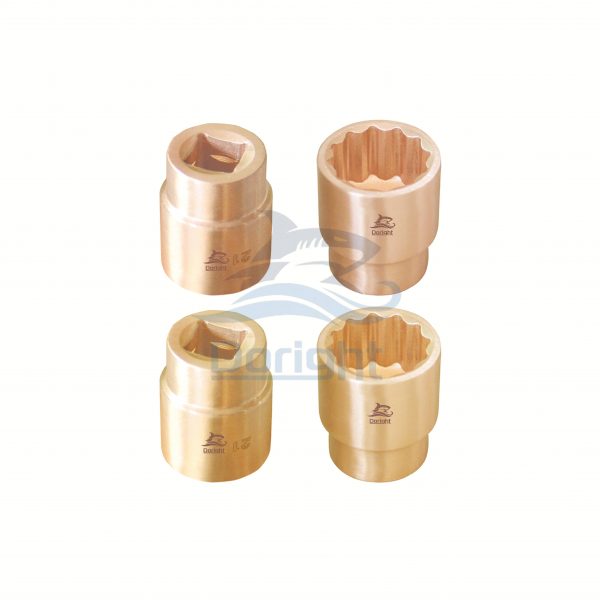
Directly: many legacy approaches treat spark risk as a checkbox, not a system problem. Traditional tool swaps—switching to softer metals or adding guards—often ignore how workers actually use tools in the field. The result: tools that pass tests but cause trouble in real tasks. I find this frustrating; we can do better. Technically, factors like material conductivity, surface hardness, and grounding interact in ways tests don’t always capture. Bronze alloys reduce spark potential, but if the tool’s design concentrates force in a tiny spot, you still get heat and friction. Add incorrect grounding or poor torque control from worn fasteners, and the math goes south. Look, it’s simpler than you think—design and use both matter. We also see gaps in compliance frameworks. Standards such as ATEX or intrinsically safe labels cover electrical risks and some mechanical hazards, but they rarely force simulation of real workflows. That omission leaves frontline crews with tools that meet specs but fail the job. I’ve walked job sites where a “safe” spanner slips under pressure—funny how that works, right?
Why aren’t tests enough?
Because tests isolate variables; the field mixes them. Grounding, conductivity, impact force, and even ambient dust levels all conspire. Power converters and edge computing nodes can help monitor environments, but if tool design ignores human factors, data only points at symptoms, not root causes.
Part 3 — Where We Go Next: Practical Principles and Comparisons
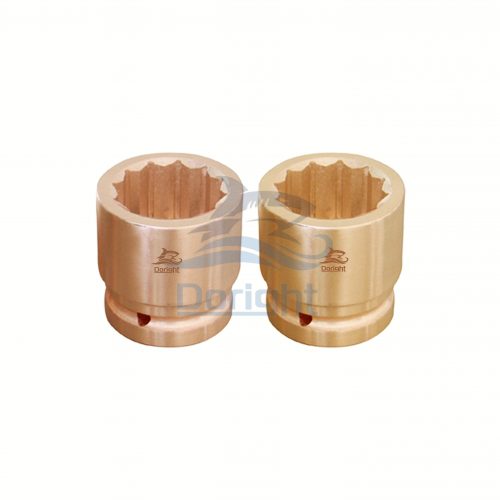
Forward-looking: I want to compare two paths—slow iteration on material swaps versus integrated tool redesigns that pair new materials with smarter features. One immediate win is copper-based non-sparking designs that keep strength while lowering impact ignition. For example, modern copper non-sparking tools blend predictable conductivity with durable geometry so they don’t behave oddly under torque. That matters when crews are rushed or tired. We can also borrow from electronics: sensors and edge computing nodes that track torque spikes, temperature, or vibration during use. Those data streams feed simple alerts. I like semi-smarter tools—not clunky, not overbearing—just useful feedback that prevents a mistake before it turns into a blaze. — and yes, that surprises people who expect tools to stay dumb.
Real-world impact — brief case view
Pick a mid-size chemical plant that swapped old steel tools for a mixed fleet of copper non-sparking tools and smart torque wrenches. Within months, their incident reports dropped; downtime fell, and crews reported higher confidence. It wasn’t magic. It was better fit for task, clearer feedback, and attention to maintenance cycles (grounding checks, torque calibration, etc.).
Closing: How to Evaluate Spark-Resistant Solutions
I’ll leave you with three practical metrics I use when picking tools for hazardous work. These are concise, testable, and field-friendly—things I wish I’d had in my first toolbox. 1) Real-world performance: Does the tool work under typical job conditions, not just lab tests? Try a site trial and watch the tool during peak work. 2) Human factors fit: Is the tool comfortable and predictable under stress? Ask crews for blind trials. If they hesitate, that’s a clue. 3) Data & maintainability: Can you monitor key signals (torque spikes, temp) and keep the tool calibrated without adding monthly headaches? Data should help, not bury teams in alerts. I believe these measures point to smarter procurement and safer shifts. We can be pragmatic and bold at once. I’m keen to keep testing, learning, and sharing—because while specs matter, people matter more. For practical supplies and gear that align with these ideas, check out Doright.

