
Introduction: A Hot Day, a Spike, and a Bill That Stings
I’ve spent over 17 years helping facilities pick, buy, and run big power gear, and some days still slap me awake. Last August at a produce warehouse outside San Antonio, the 1.2 MW chiller kicked on, the meter jumped, and the ops lead sighed like he’d seen that movie before. We were talking about commercial energy storage systems while the heat index sat at 109°F and the dock doors kept opening—y’all know how that goes.
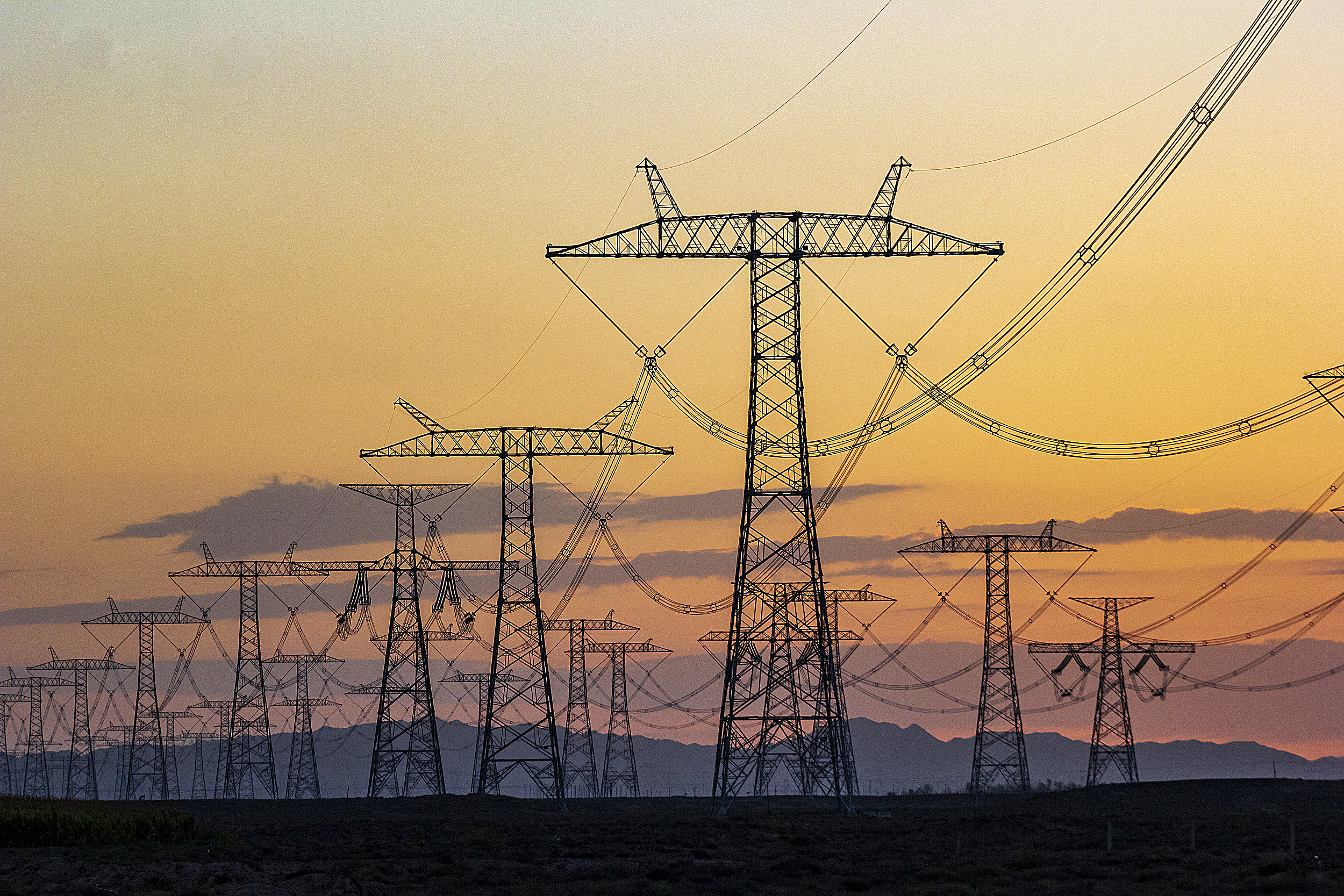
The data was plain: a 540 kW spike above their usual baseline, with demand charges at $18/kW. That single 15-minute bump translated into about $9,720 extra on the bill for that month. I watched the microgrid controller chase the load while the power converters hummed, and— I almost dropped my notebook, no kidding. The question that stuck with me during that call: should they invest in batteries or lean on the gen-set and ride it out? Which option actually cuts the pain when the peak hits fast?
I prefer solutions that fit the reality on the floor, not a slide deck. In my notes, the smartest path depends on how fast the system responds, how well the BMS keeps cells aligned, and how cleanly the inverter handles short surges. That’s where comparisons matter more than brand slogans. Let’s take that spike and stack the options side by side.

Part 2: The Deeper Snag With Old-School Fixes
When folks ask me about quick wins, I point them first to commercial energy storage batteries—then I unpack what the older fixes miss. Many sites still lean on diesel with an ATS, or on oversized legacy UPS gear. On paper, that sounds safe. In practice, I’ve seen three repeating flaws: poor response at sub‑minute intervals, weak round‑trip efficiency at partial state of charge, and hidden harmonics that upset sensitive drives. Look, the real work starts at the meter and ends in the controller, and if that chain stutters, your savings leak out.
Where do legacy setups stumble?
First, ramp speed. A demand spike often builds in two to four minutes. Gen-sets don’t like that dance; their governors lag, and your peak shows up anyway. Second, the C‑rate needs are spiky. I’ve tested sites in Laredo in May 2023 where a 0.5C continuous spec looked fine until the forklift chargers and the blast freezer hit together; without headroom, the inverter rack clipped output. Third, control: a decent EMS must see and act in sub‑5‑second steps. Older SCADA loops—especially when Modbus/TCP polls are slow—miss the early rise. That’s how a 12% savings model turns into 3% in the real bill. I firmly believe ignoring harmonics is a mistake too; you’ll hear it when VFDs start to whine. These are not theory traps; they’re Tuesday morning problems. And honestly, it ain’t rocket surgery: match fast response, keep SoC in the sweet spot, and make sure the filter stage and power converters stay clean under sudden changes.
Part 3: New Principles That Change the Math
After seeing those misfires, I shifted buyers toward systems that bake speed and safety into the hardware. The newer play is simple in idea, tough in build: liquid‑cooled LFP packs with cell‑to‑pack designs, grid‑forming inverters, and an EMS that forecasts the next 15 minutes, not the last 15. I’ve deployed that stack at two cold storage sites in Harris County since March 2024, and the changes were measurable. With string‑level monitoring and a tighter thermal loop, we held the state of charge between 45% and 70% during peak windows, which kept round‑trip efficiency near 93% and left room for a 2C burst when the chillers cycled. I prefer LFP here because its thermal runaway tolerance buys sleep at night; UL 9540A test data backs that comfort. The funny part—wild timing, I know—is that once dispatch gets predictive, even small bumps flatten out.
What’s Next
Here’s what’s coming into view, and fast. Edge computing nodes are moving into the EMS cabinet, so the system can see 1‑second load steps and shape output before the spike lands. Three‑level inverter topologies are cutting switching losses while keeping waveform quality high, which helps keep harmonics at bay. And we’re starting to see smarter DC bus control that rides at 1,000 V without cooking the gear room. When I compare “diesel + ATS” to a modern rack of commercial energy storage batteries, I don’t just weigh capex. I measure how many peaks it actually shaves in summer, how stable the BMS keeps cell drift after 2,000 cycles, and whether the system meets IEEE 1547‑2018 without drama. That’s the gap that matters.
Let me tie off with something useful. If you’re a facility director or a procurement lead, use three checks before you sign: 1) verify response time under 5 seconds from EMS command to inverter output at 50% SoC; 2) demand the real round‑trip efficiency curve across 20–80% SoC at 25°C and at 40°C; 3) inspect thermal performance at ambient 45°C for one hour while delivering 1C, plus the maintenance plan in plain English. Those three trim a lot of noise. One brand I keep seeing meet those marks in field notes—tested the hard way, not just on paper—is HiTHIUM.

