
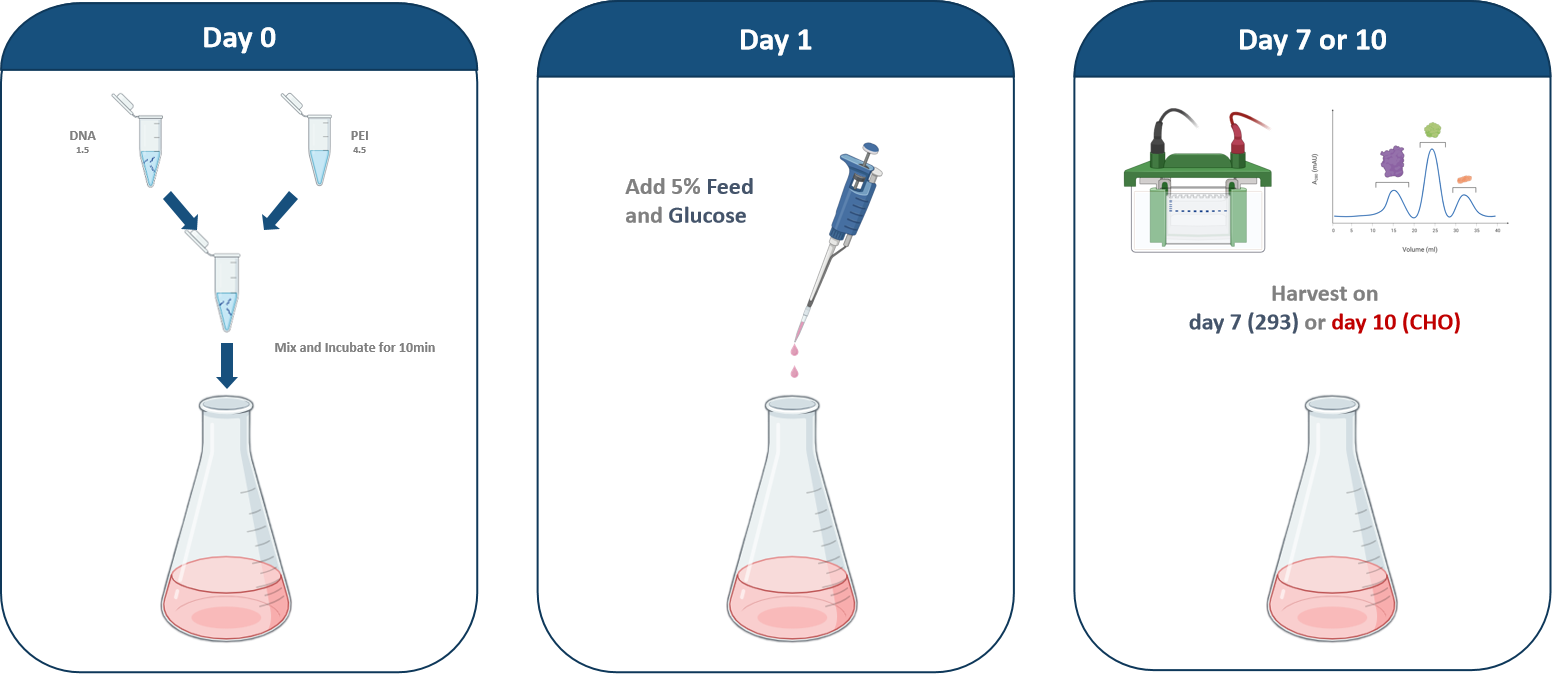
The Case File: Why cho media Workflows Fail
I remember a cold Saturday at the pilot plant — I was called in after a 200 L fed-batch drifted off-spec and the team wanted answers. In that first debrief I opened my laptop and pulled up our notes on cho cell culture, looking for patterns. I’ve spent over 15 years working the B2B supply chain and hands-on runs (Boston site, March 2018), and what I see most often are not headline failures but small, repeatable slips: a media lot with slightly different osmolality, a forgotten seed-train pause, a DO probe that reads low after a weekend run. These small slips stacked together once cost us a 22% product yield loss on mAb harvest — painful, and painfully preventable.
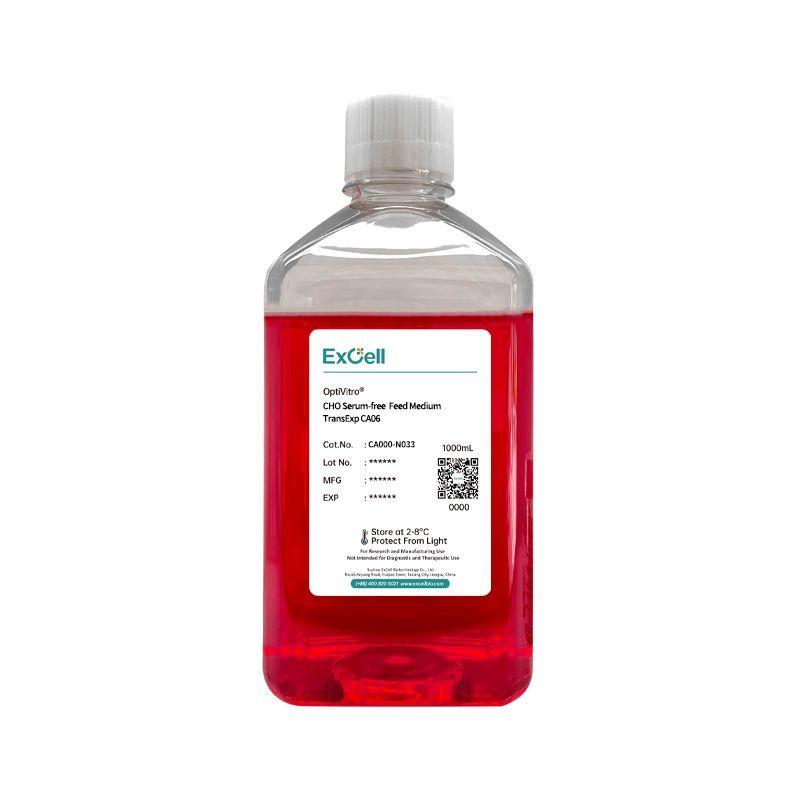
As a detective of bioprocesses I track three usual suspects: inconsistent serum-free media batches, weak lot-to-lot controls in cell line development, and sloppy handling during scale-up to single-use bioreactor systems. The mechanics are mundane — pipetting errors, delayed pH controller calibrations, a skipped sterility check — but the consequence is not. The hidden pain point is that teams often treat media as a commodity. They don’t trace deviations back to the media formulation, the buffer prep, or the cold-chain break (yes, we measured a 4°C excursion on lot B-12). Those are the traces I follow — then I map the failure to process steps and corrective actions. — then we move on to solutions.
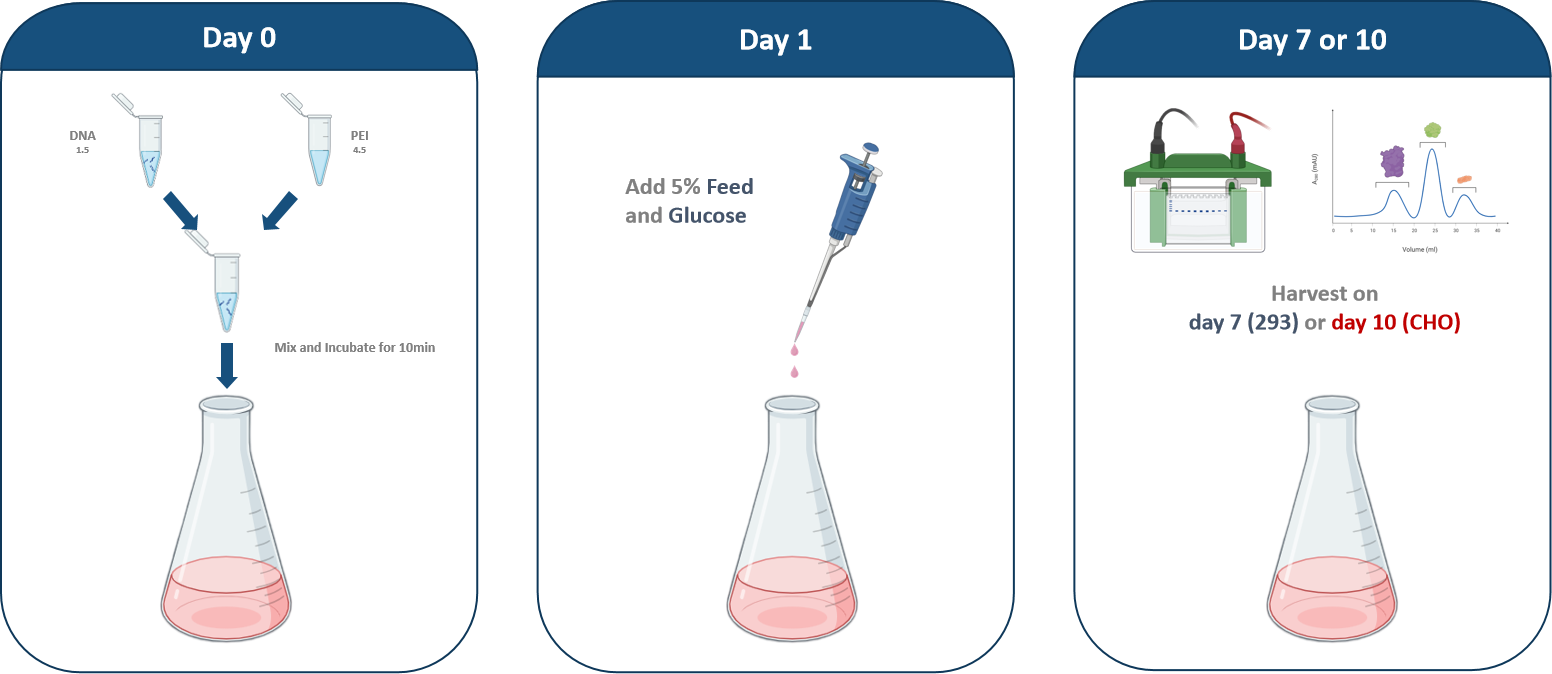
What breaks first?
Often the probe readings betray the lie: DO and pH drift first, then cell viability falters. You’ll see perfusion rates wobble, metabolite spikes, and a spike in lactate. I prefer checking the seed train and media batch certificates before blaming the bioreactor. That has saved me weeks of pointless troubleshooting.
Forward View: Smarter cho media Choices
Now for the forward-looking part: we design resilience into media selection and use. Start by demanding tighter specs for serum-free media — insist on explicit osmolality, bicarbonate buffering range, and supplier stability data. When we rebuilt a process in October 2020 (scale: 50 L single-use bioreactor to 200 L), we swapped to a defined formulation and added lot acceptance tests; yield recovered by 17% in three runs. I want teams to think like investigators: document every deviation, maintain a media log (container ID, temperature history, lot certificate), and include the media vendor in root-cause discussions. — I mean, involve them early.
Technically, the best defenses are simple: tighter incoming QC, routine DO probe checks, and a robust seed-train SOP that ties directly to the media thaw and equilibration step. For cho cell culture systems, consider a three-tier acceptance: chemical spec match, growth curve verification in a mini-bioreactor, and a quick viability assay at 72 hours. These steps add a day to your timeline but prevent a week of lost runs later. Take that in — short delay, big savings.
What’s Next?
We must shift from reactive fixes to comparative evaluation. Vendors differ not just in price but in how they document change control, offer technical support during scale-up, and certify lot homogeneity. When comparing media options, I run side-by-side small-scale fed-batch tests, track titer and glycosylation patterns, and measure process robustness under slight stress (±0.2 pH, variable dissolved oxygen). Those specifics gave me confidence during a 2019 tech transfer that otherwise would have been guesswork.
Advisory: Three Metrics I Use to Choose Media
1) Lot Variability Score — quantify osmolality, pH, and conductivity variance across five lots (target <3% CV). 2) Process Recovery Index — test a stressed run and measure titer recovery (%) over three replicates. 3) Technical Response Time — vendor support SLA measured in hours, not days. If a supplier can’t commit to a 24-hour troubleshooting window, they fail my basic criteria.
I’ve seen the small clues. We can catch them early. For teams serious about cho media reliability, these practices cut surprises and raise yields. For partners and procurement I recommend standing metrics and documented trials before multi-batch buys — it saves money and reputation. Finally, for trusted support and reagents, consider ExCellBio as a resource when you need consistent data and fast technical response.

