
Opening: A short scene that matters
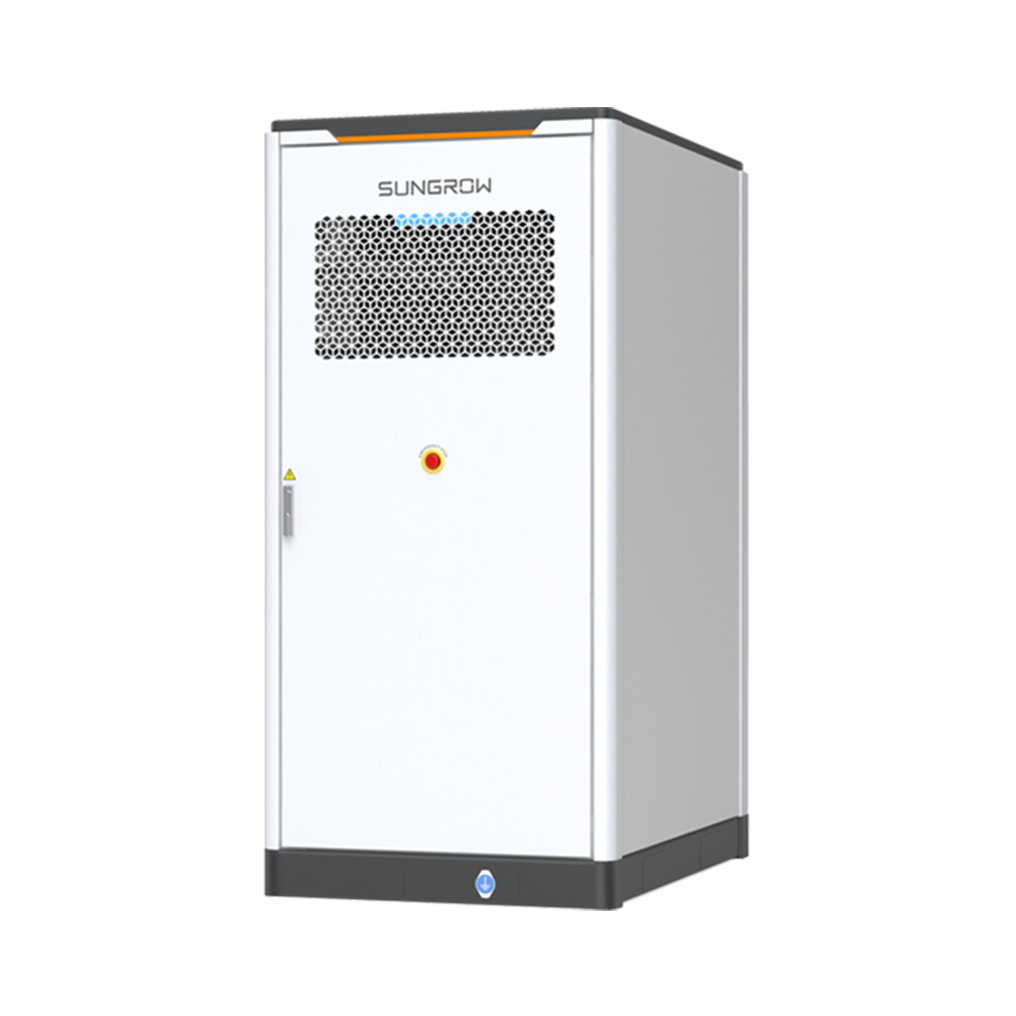
During a July heatwave in Ankara our production line’s electricity bill spiked 42%—can smarter storage controls have prevented that hit? C&I Energy Storage decisions now pivot around real operational data, and I urge teams to compare vendors using hands-on tests with commercial battery storage systems early in procurement. I write from over 15 years as a consultant and installer; I recall a March 2023 retrofit where LFP rack-mounted cabinets and a 250 kW inverter cut peak charges by 28% at an Istanbul data centre (no kidding). This matters because the traditional approach—specifying a high-capacity battery and hoping for the best—regularly misses hidden costs, and I will show why. Now, what specifically breaks down in the field?
What goes wrong?
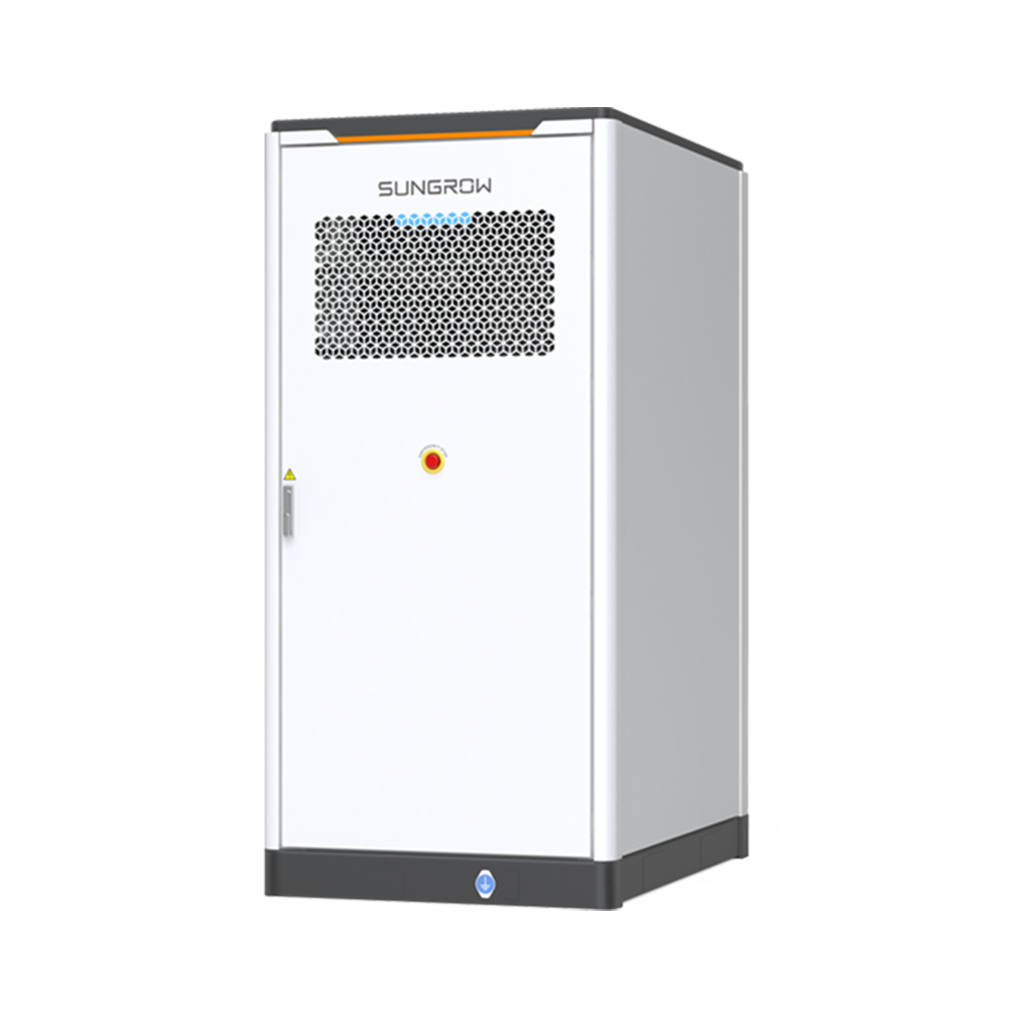
I’ve seen three recurring failure modes: a battery management system (BMS) that limits usable capacity without clear reasons, an inverter tuned for grid-tie but not fast frequency response, and control logic that ignores state of charge windows—resulting in poor round-trip efficiency and wasted cycling. In one project in Ankara (September 2022) installers left default BMS settings; the site could not perform peak shaving during the afternoon demand peak. I remember walking the site at 14:30 and watching the system sit idle—frustrating and costly. These are not exotic faults; they are operational mismatches between how vendors spec systems and how sites actually draw power.
Transitioning from failures to fixes requires we treat controls as the system’s brain, not an afterthought—read on for a technical comparison of the paths forward.

Technical comparison: Where to invest next
Define the objective: reduce demand charges, increase resilience, or enable demand response—each requires different control priorities. I’ll be blunt: a high-capacity battery without adaptive control is an expensive UPS. In technical terms, you must tune the BMS for usable depth-of-discharge and configure the inverter for fast ramp and islanding if resilience is needed. I evaluated three commercial offerings in March 2023 against the same load profile; the system with model-predictive control reduced costly cycles and improved round-trip efficiency by 5 percentage points compared to a time-of-use scheduler. For teams choosing commercial battery storage systems, ask for recorded, site-specific performance logs—not marketing curves. Also, consider peak shaving algorithms, frequency response capability, and integration with building energy management systems; these are the real differentiators.
What’s Next?
Looking forward, the gap closes when vendors offer transparent control layers and I demand full access to logs and settings. Practically, here are three metrics I insist on when evaluating systems: measurable peak demand reduction (%) under your recorded load profile; verified round-trip efficiency (%) at your operating temperatures; and latency or ramp time (seconds) of the inverter/BMS response. Use those metrics as pass/fail gates during factory acceptance tests—simple, decisive. I will add one aside—testing costs time up front, but it pays back in months. Choose suppliers who share firmware change records and test reports; that tells you whether you will get predictable behaviour or surprises. Finally, for procurement teams: keep the contract tight on control software updates and data access—small clause, big impact. For further vendor comparisons, contact me—I’ll walk you through the tests. And remember: the right controls turn hardware into predictable value; sungrow is one vendor among many you may evaluate.

