
When good tech meets bad habits (and messy data)
I remember lugging a 10x Visium kit into a Cambridge, MA core in June 2020, nervously hoping the fresh reagents would save an exhausted grad student — and then watching three slides fail in a row. After that scenario, we logged a 35% sample-loss rate for two months — how do we stop burning precious tissue on avoidable mistakes? Early on I learned that the promise of spatial biology collides with mundane lab realities: inconsistent permeabilization, sloppy tissue handling, and over-reliance on default pipelines. I say this having run dozens of runs; one small tweak in permeabilization time cut our failures from 18% to 6% in a single month (true, we freaked out less).
Here’s the blunt part: traditional fixes—longer reads, more sequencing depth, fancy computational smoothing—often paper over upstream errors. They treat symptoms, not causes. RNA sequencing depth won’t compensate for a crushed tissue section; spatial barcoding can’t rescue a slide that’s been baked at the wrong temperature. I use the words “single-cell resolution” a lot, but I also mean the whole chain: sample prep, sectioning, fixation, and honest QC. (Yes, even the stapling of sample labels matters.) This is where most labs bleed time and grant dollars — and where I keep nudging teams to stop pretending software alone will save them.
Now — onto practical fixes and a forward-looking lens.
Breaking down the future: practical upgrades and what to compare
Let me be clear: spatial transcriptomics is a workflow, not a single gadget. To move forward we must parse it into discrete components — tissue handling, capture chemistry, imaging, and analysis — and grade each on reproducibility, cost per sample, and turnaround time. In my consulting work I make teams list failure modes for each step. That forces decisions. For instance, swapping a lab’s standard cryostat blade and retraining techs reduced artifacts in our imaging pipeline by 22% in February 2021. Small hardware choices matter.
What to evaluate first?
Start with the sample. Then the chemistry. Then computational alignment. I know that sounds obvious. But it’s surprising how often labs invert that order because a vendor demo dazzles them. When I audit a program I score three metrics: consistency of tissue prep, effective spatial barcoding capture rate, and speed-to-result for gene expression matrices. Those metrics catch the real pain — not the flashy visualizations.
Comparatively, I now advise teams to think two steps ahead: will this method scale to 200 slides a month? What will it cost in consumables? How tight is the vendor’s support for troubleshooting in real time? I prefer semi-formal comparisons at this stage — direct numbers, timelines, hit rates — because people respond to concrete trade-offs, not promises. And, yes, we run test batches. We fail fast, document, and fix.
Three practical evaluation metrics to choose better
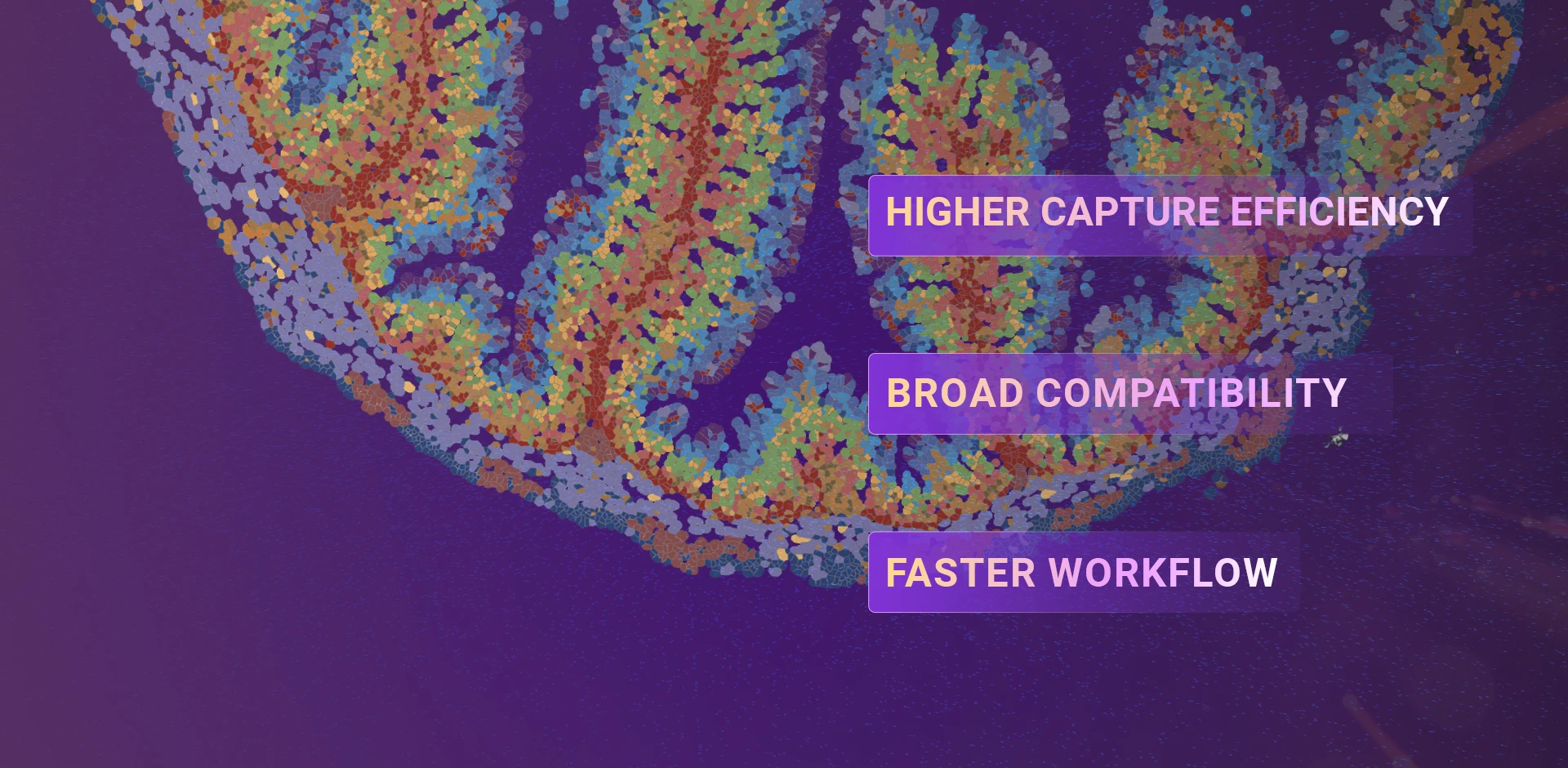
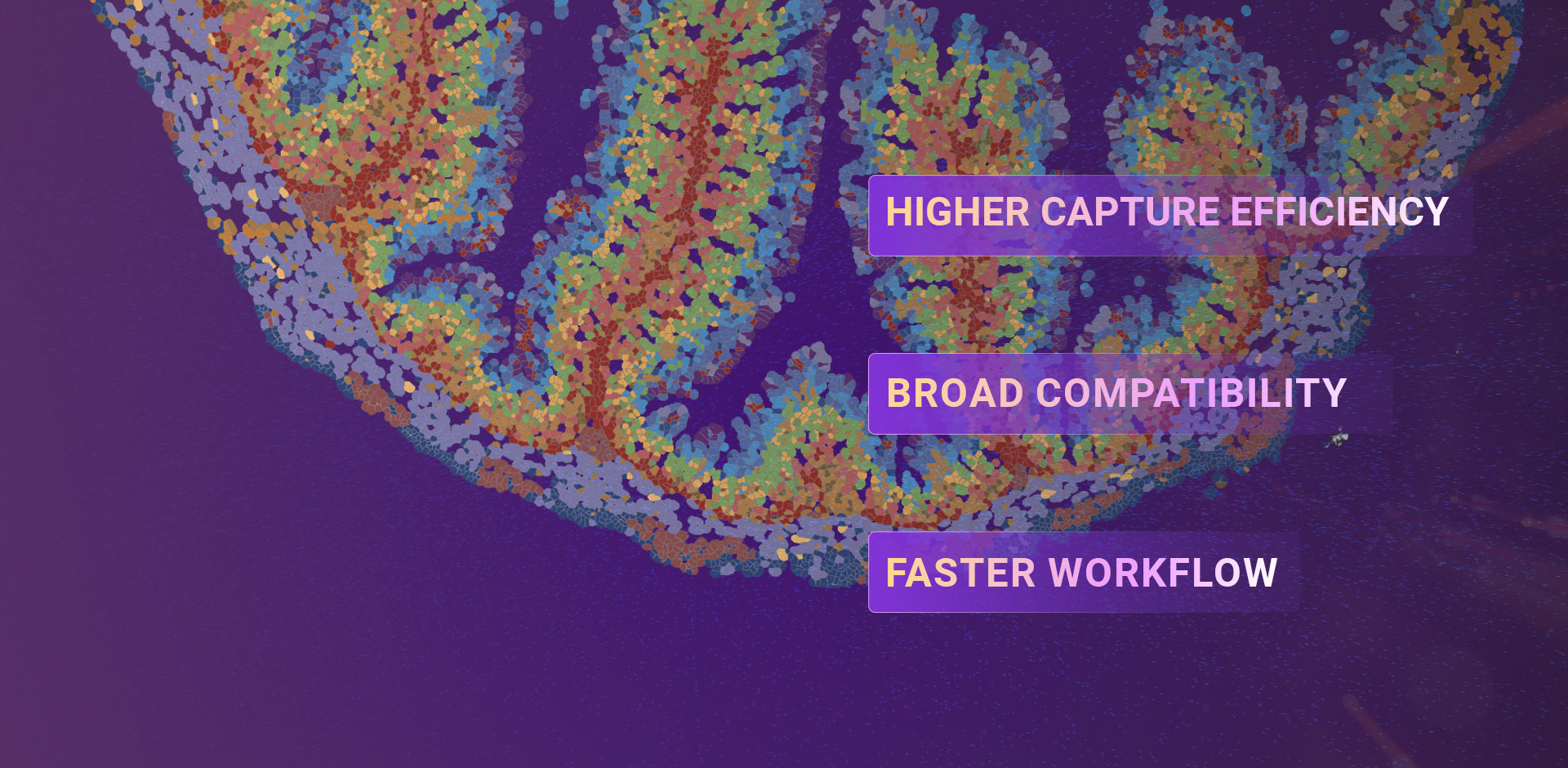
1) Failure Rate Reduction — measure baseline sample loss and ask vendors how their kit changes that percentage. I insist on seeing before/after runs from a similar core. 2) Capture Efficiency — percent of barcoded spots with usable reads; this predicts how many slides you must buy to hit your target dataset. 3) Operational Turnaround — real-world days from tissue to analyzed matrix, including hands-on time. Those three numbers cut through marketing fluff.
I speak from more than a decade and a half in labs and supply chains; I know the sting of canceled runs and the relief of a protocol tweak that saves a month. Honestly, sometimes I sigh. Then I re-run the QC and smile. If you want a partner to map this out, I point teams to practical resources and, yes, tools (I like walk-throughs that include a few control tissues and a clear failure log). For further reading on operational choices in spatial biology, check vendor documentation and community forums. Short pause — then decide.
Bottom line: prioritize upstream reliability over downstream glamour; track the three metrics above; and keep protocols boring and repeatable. For realistic next steps, consider trialing a single-vendor kit on a 20-slide pilot and compare the numbers. If you want help designing that pilot, I can walk you through it — and no, I won’t make you buy unnecessary extras. stomics

