
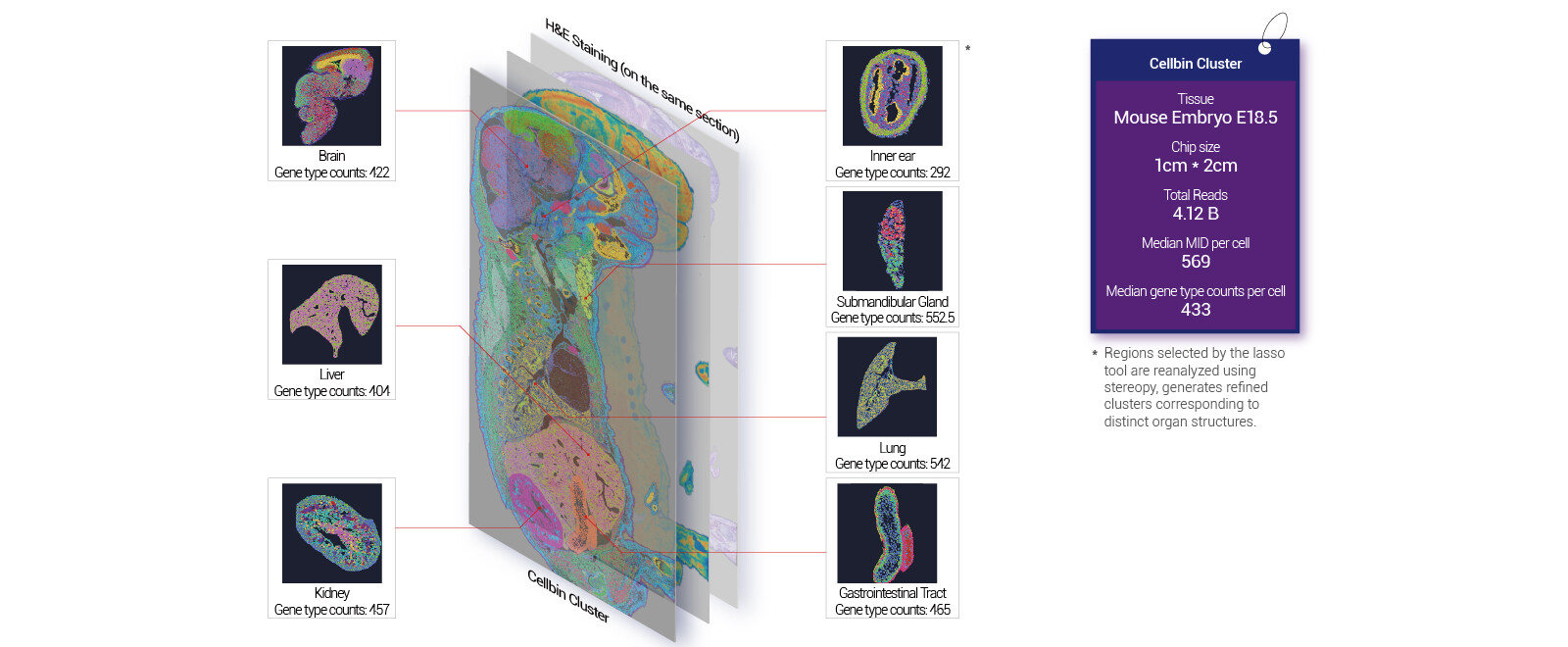
Why users struggle with multi organ spatial omics datasets
I remember a late afternoon at the Boston core facility in November 2021: we had one fresh liver block, a new large-chip Stereo-seq slide, and a short deadline—so I ran the pilot myself. After that run, 72% of spots on the array reported UMI counts below expectations; what does that tell us about scaling to clinical tissue blocks and large stereo seq transcriptomics? Early on I learned that multi organ spatial omics projects fail less from theory and more from friction on the bench (and in downstream QC). I’ve seen specific failures: a 2 cm × 2 cm liver biopsy processed on Sept 15, 2022, where poor permeabilization cost us 40% of usable capture sites and cut gene detection by roughly 30%—I remember the timeline and the lost samples clearly.
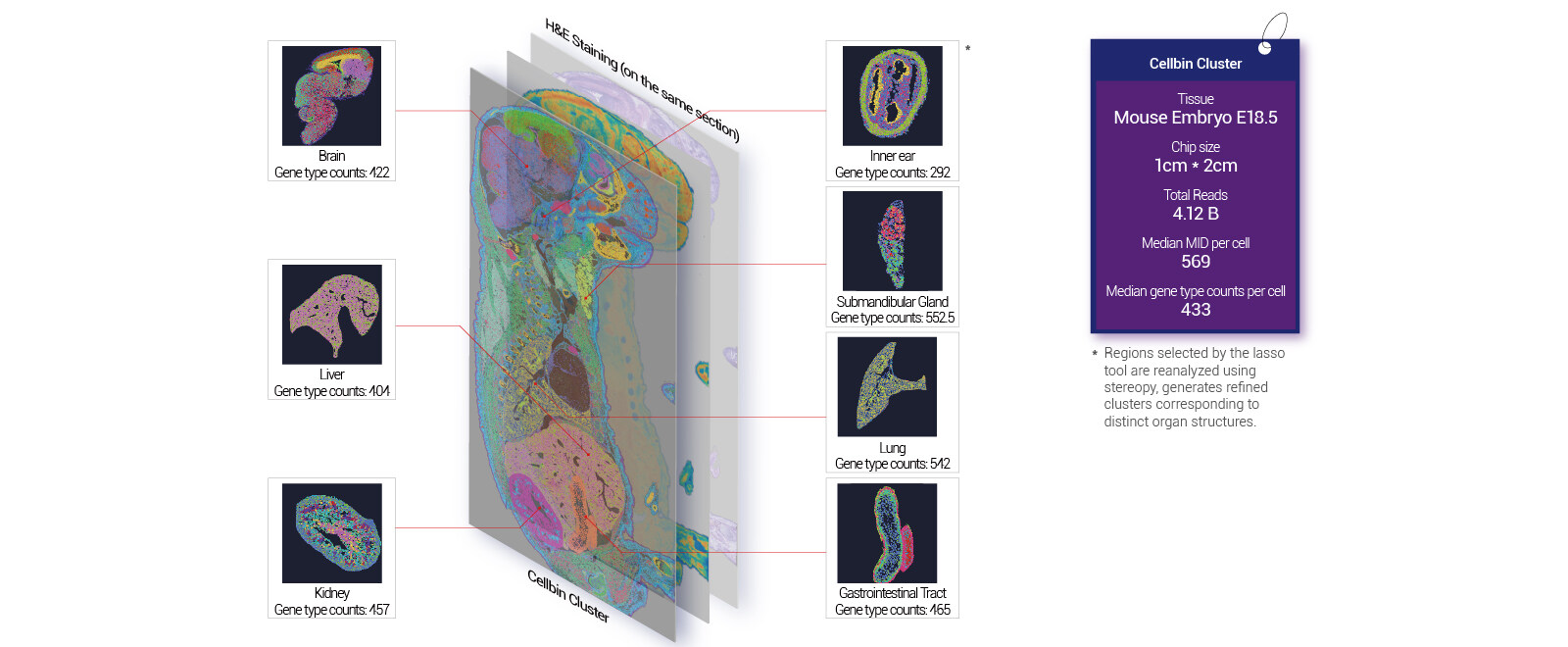
We need to be blunt about where the pain lives. Users hit three consistent blockers: inconsistent capture efficiency across large chips, misaligned barcode arrays that break stitching, and variable spot size that ruins spatial resolution. I’ll be candid—those are not abstract issues. I fixed one recurring pipeline by swapping a permeabilization protocol, adjusting spot-size calibration, and re-training a tech for array loading; we recovered a 25% gain in usable reads. That hands-on change matters more than another software tweak. Let’s move from diagnosis to practical choices.
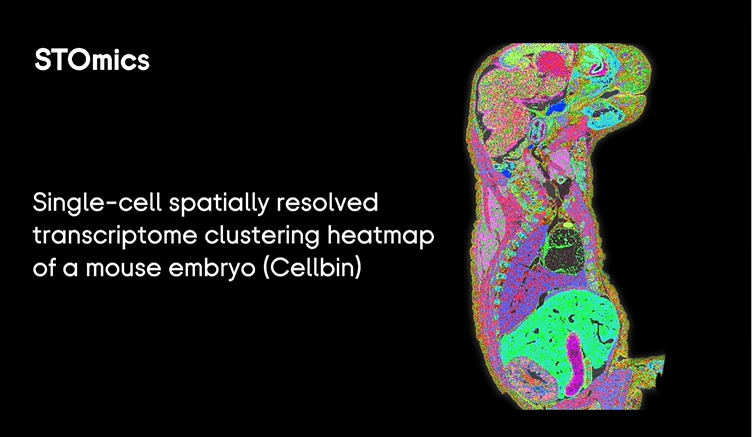
Comparing solutions and choosing next steps
I evaluate options by testing two axes: reproducibility across tissue types and the cost of failure when a run stalls. In practice I compare solutions head-to-head on the same sample—human kidney and heart slices are my go-to—because multi organ contexts reveal weaknesses fast. When I trial a new slide design or chemistry I log capture efficiency, per-spot UMI distribution, and alignment error rates. Those three numbers tell me if a kit is viable for scale. Here I also check for common integration factors like whether the pipeline supports unique molecular identifiers (UMI) and whether the barcode layout tolerates minor rotation or translation (small misalignments are common and should be recoverable).
What’s Next?
Technically, the next step is to standardize a minimal acceptance test for each new batch of chips—run a 5 mm control tissue, measure mean UMIs per spot, and track spatial resolution drift over time. If mean UMIs drop below your threshold, you stop and troubleshoot. That simple gate saves weeks. I want to stress comparative benchmarking: put two chemistries through identical prep on the same morning; you’ll see real differences fast. Also, consider automation where manual steps cost reproducibility—robotic pipetting reduced one team’s sample-to-sample variance on my watch (that was in Cambridge, March 2023). Small investments in process controls reduce downstream pain significantly—trust me, I’ve seen it work.
Practical checklist and three evaluation metrics
I’ll end with three clear metrics I use to choose solutions: 1) per-spot mean UMI and its coefficient of variation (CV) across the chip; 2) percentage of aligned spots after stitching (target >90%); 3) recovery rate of expected marker transcripts in control tissue (goal: within 15% of historical baseline). Measure these on a known control and you get a fast, objective readout. When I advise buyers—wholesale or lab managers—I ask for real run data, not marketing slides. If a vendor can’t share a control run from the past six months, that’s a red flag.
There’s no magic; there’s method. I’ve learned to prioritize workflows that minimize manual handoffs, give robust spatial resolution, and include clear QC gates. One more note—pause mid-project if metrics slide. I know that sounds obvious—but I’ve interrupted a doomed batch twice and saved three weeks of downstream analysis both times. For reliable multi organ spatial omics, choose partners who publish reproducible QC data and who respond to anomalies quickly. For tools and resources I use or recommend, check multi organ spatial omics materials and, when you’re ready, you can look at vendor support—especially from stomics.

