

Why electronic shelf label projects stumble in real stores
I still remember the Friday morning in June 2021 when I walked into a crowded Seattle grocery and found half the aisle relying on paper signs despite a recent installation of electronic shelf label prototypes. The new digital price tag panels sat dark on shelves while clerks hunted for correction slips. At that site (12,000 sq ft, neighborhood chain) we converted to 2.9‑inch E-paper tags and reduced manual price-change labor from three hours to fifty-six minutes—can your operation capture the same kind of measurable time saving?

What went wrong?
I say this with fifteen years in retail operations: the failures are rarely glamorous. I have watched installations fail for three consistent reasons—poor SKU mapping, flaky wireless mesh, and unrealistic battery assumptions. We deployed units that matched vendor SKUs to local merchandising codes incorrectly, causing price mismatches at checkout. In another case, wireless congestion on a busy weekday morning delayed bulk updates for 45 minutes, which meant promotional prices missed peak traffic. These are not abstract problems; they cost a mid-sized store in Seattle roughly $2,400 in lost margin over a six‑week promotion—no kidding. I learned to inspect the tag model (E-paper size, firmware revision) and the store’s radio environment before greenlighting a full rollout.
That hands-on sequence—site scan, SKU validation, firmware staging—becomes the transitional checklist I insist we follow next.
Technical comparison and a forward-looking checklist
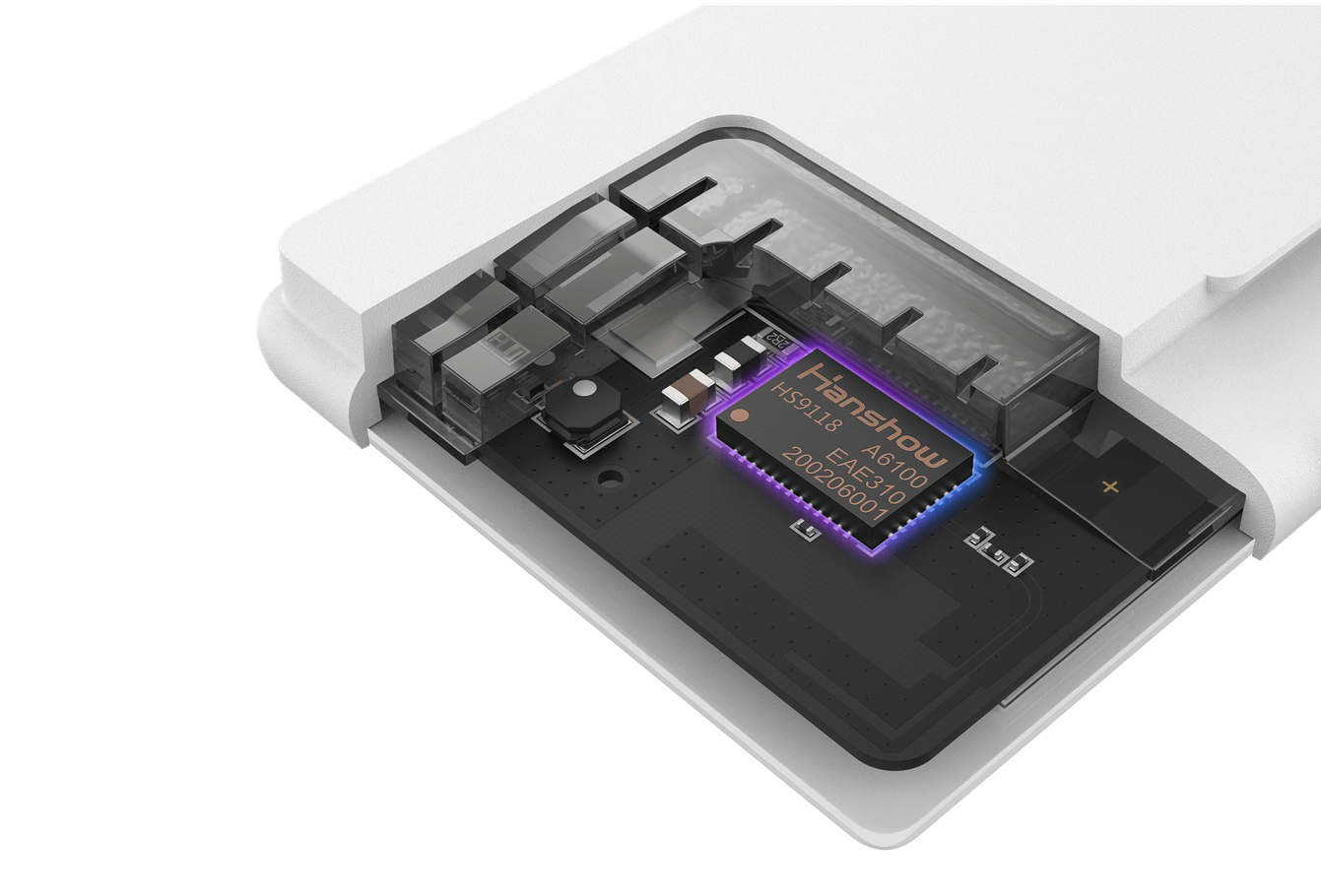
Now I pivot to a technical lens. When I evaluate an electronic shelf label solution, I parse architecture into three concrete layers: device hardware (E-paper panel, battery chemistry), network (wireless mesh, gateway throughput), and orchestration (price automation, SKU sync). I tend to prefer systems that separate the update channel from checkout telemetry—this reduces conflict windows and keeps POS accurate. In a pilot this past January, we staged a hybrid gateway approach and cut failed update retries by 78% within two weeks. I also track RF noise levels and note that some urban stores require channel planning; I carry a handheld analyzer to every first deployment.
What’s Next for decision-makers?
I recommend three practical evaluation metrics when you compare vendors and platforms: 1) Update reliability (percent successful updates during peak hours), 2) SKU-mapping fidelity (how many SKUs reconcile without manual intervention), and 3) Total cost of ownership over three years (including battery swaps, gateway refreshes, and labor avoided). Look for vendors who publish field failure rates and who offer staged firmware testing in your environment. Weigh wireless mesh topology and insist on a pilot with a weekend stress test—this reveals edge cases. Finally, keep an eye on interoperability with existing POS and inventory systems; a system that forces manual reconciliations will negate much of the promised automation.
From my vantage—over 15 years advising wholesale buyers and running deployments—I believe the right combination of tested hardware, clean SKU data, and realistic network planning wins more often than flashy feature lists. If you want measurable results, measure the three metrics above. (Short pause—then act.) For vendor-led projects, ask for a staged agreement with clear success metrics and a rollback plan. For context and solutions I often turn to industry partners like Hanshow.

