

Why a structured framework beats ad-hoc fixes
When you’re responsible for a commercial battery energy storage system (BESS) workstation, firefighting policies and last-minute fixes just won’t cut it. A repeatable framework gives safety officers a clear route from hazard recognition to operational control. This piece walks through that route and places the first mile where it matters: design and installation of commercial battery storage systems so on-site teams aren’t constantly playing catch-up with emerging risks like thermal runaway or ventilation failures.
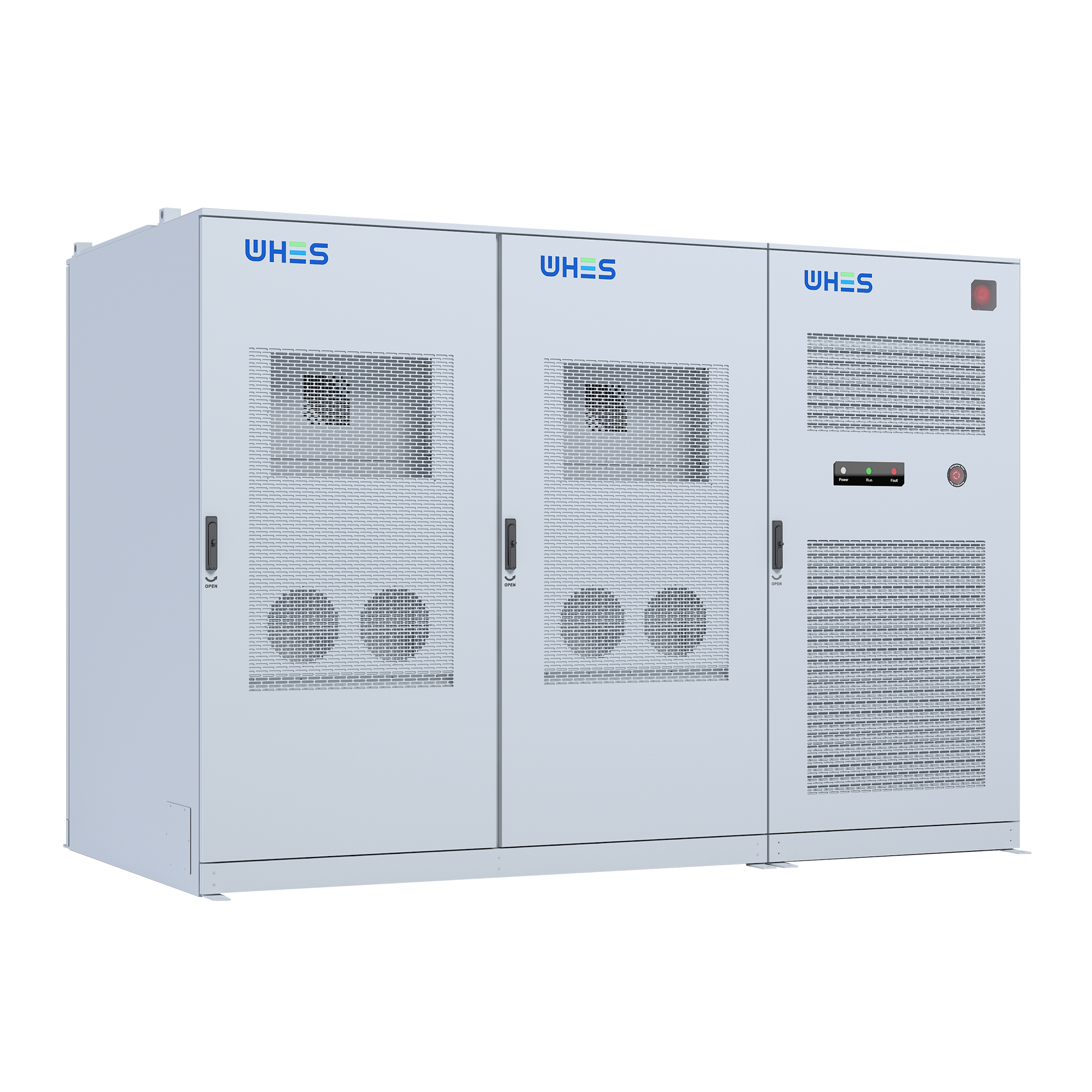
Step 1 — Baseline: Understand what NFPA 855 requires and why it exists
NFPA 855 (first published in 2019) formalized risk-based requirements for stationary energy storage. It’s not just a checklist — it’s a performance-oriented standard meant to reduce incidents across electrical and fire domains. Start by mapping NFPA 855 sections to your site: siting, separation, suppression, monitoring, and emergency access. Use that map to guide inspections, procurement specs, and contractor oversight. Industry terms to lock in early: BMS (battery management system), thermal runaway, and UL 9540A testing protocols.
Step 2 — Design controls: engineer safety into the workstation
Good engineering reduces the number of human decisions that can go wrong. That means physical separation of workstations from high-density racks, dedicated ventilation for enclosures, and containment tiers sized to manage electrolyte releases or smoke. Specify a BMS with cell-level telemetry and automated alerts tied to your building management system. Also require UL 9540A or equivalent thermal propagation testing data for battery modules — it’s a practical way to compare vendors on real-world failure behavior.
Step 3 — Administrative and operational layers
Design alone won’t stop every incident. Build administrative controls that support safe operation: formal procedures for charging and maintenance, lockout/tagout protocols tailored to battery packs, and explicit policies for State of Charge (SoC) windows during commissioning and repair. Train teams using scenario-based drills — not just slide decks. These drills should include coordinated responses with local fire departments; many municipalities now require pre-incident planning for BESS facilities.
Step 4 — Fire protection strategy: suppression, detection, containment
Fire protection for BESS workstations is a layered approach. Early detection (smoke, gas sensors, thermal imaging) buys precious time. Suppression choices depend on chemistry and enclosure type — water-mist, engineered foam, or clean-agent systems can play a role, but each has limits against propagation. Containment — both passive (rated barriers) and active (deluge ports, drainage) — prevents a single cell event from becoming a site-wide loss. Make sure suppression activation protocols are coordinated with the BMS to avoid unintended interactions.
Step 5 — On-site workflow: workstation layout and human factors
Arrange workstation tasks to minimize exposure to energized stacks. Place diagnostics and initial triage stations outside the primary array footprint; reserve enclosure entry for trained technicians with PPE and rescue plans. Keep tooling and spare parts in secure, labeled cabinets — foreign objects and misplaced tools can damage cell packs during service. And schedule high-risk activities (cell swaps, formation cycles) during low-occupancy windows with a second technician present for safety oversight.
Step 6 — Continuous monitoring and data-driven maintenance
A robust monitoring program closes the loop between design and operation. Feed BMS telemetry into a centralized dashboard that highlights trends — rising internal resistance, cell voltage drift, or unexpected SoC behavior — so you can act before alarms trip. Add periodic UL 9540A-inspired propagation drills and post-event root-cause analytics to refine controls. Remote diagnostics also let specialists review anomalies without unnecessary site visits.
Common mistakes safety officers make — and how to avoid them
Three pitfalls keep popping up: underestimating human error, treating standards as optional, and ignoring vendor test data. Don’t assume labeling and training alone fix human factors — redesign work flow to eliminate error-prone steps. Treat NFPA 855 as a baseline, not the entire program. And demand test evidence — not just claims — for propagation and containment performance. If you skip these, you’ll have to rely on emergency response more often than you should — and that’s expensive and stressful.
Real-world anchor
NFPA 855’s 2019 release reshaped how states and local agencies evaluate BESS projects; places with dense deployments like California began tightening permitting and requiring pre-incident plans. That regulatory shift is a practical reason to prioritize installation-grade engineering and documented tests now — because permitting cycles and insurance reviews increasingly reference NFPA 855 compliance and documented fire-protection strategies.
Integrating industrial energy storage partners
Not every vendor delivers the same level of systemization. Choose partners who provide integrated design, UL 9540A data, and operational support for commissioning and lifecycle analytics. When possible, align the vendor’s remote-monitoring portal with your on-site dashboards so alarms and trends flow to a single point of accountability. This is where industrial energy storage procurement becomes a safety decision as much as a financial one.
Framework recap — quick checklist
– Map NFPA 855 sections to site responsibilities. – Require UL 9540A or equivalent data for modules. – Engineer ventilation, containment, and suppression into the workstation. – Implement SoC policies, LOTO procedures, and scenario-based drills. – Centralize monitoring and perform trend-based maintenance.
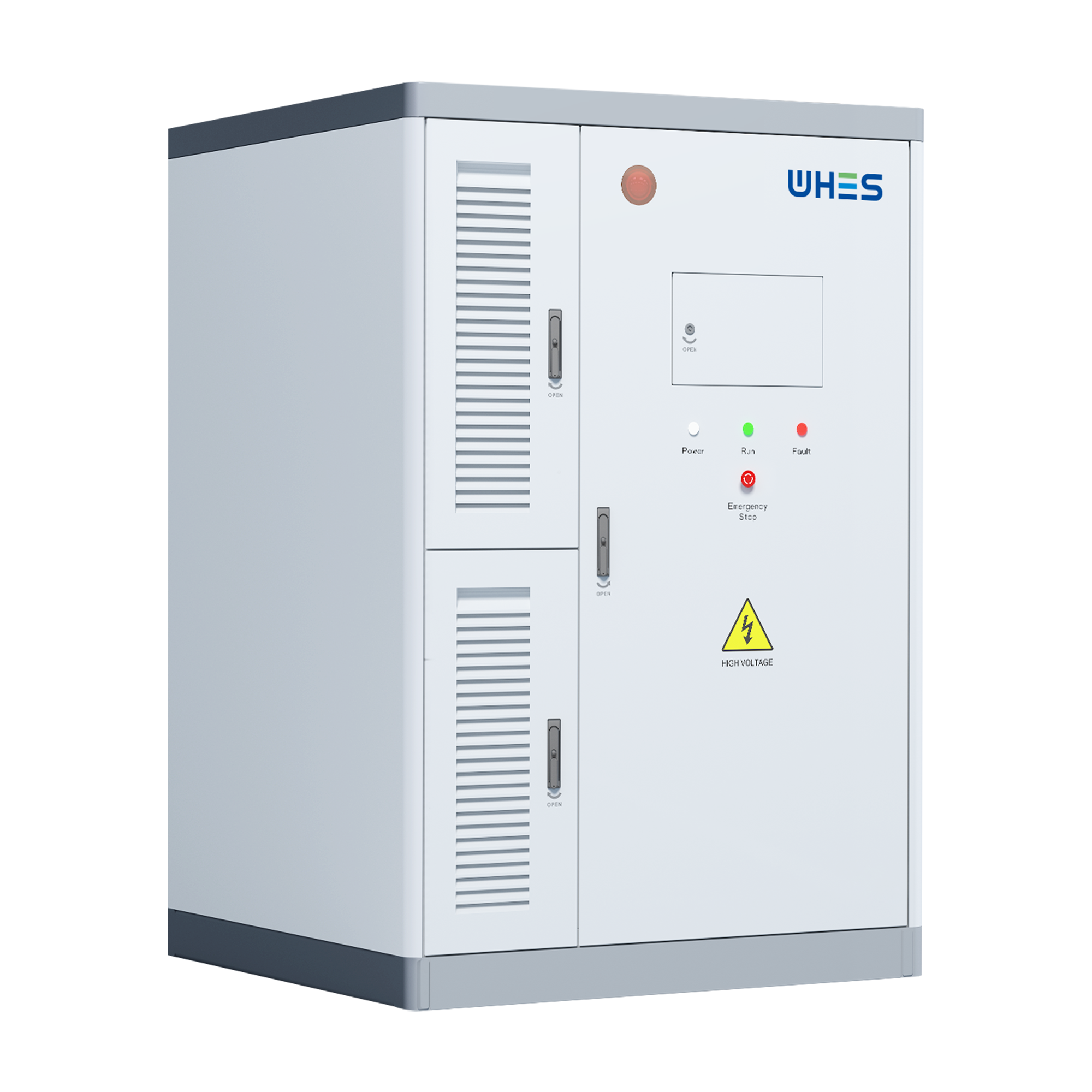
Advisory: three golden rules for picking the right strategies
1) Verify with evidence: insist on vendor-supplied test reports (UL 9540A-style) and historical performance logs. 2) Design for the worst plausible scenario: size containment and egress for thermal propagation, not just single-cell failures. 3) Make monitoring actionable: telemetry must trigger clear SOPs and escalation paths — vague alerts are worse than none.
Final thought: when safety and uptime both matter, built-in controls and verified data are non-negotiable — and that’s the operational space where WHES becomes part of the solution. —

