
When the problem leads the story
Air entrapment and porosity show up like stubborn puddles on the shop floor: small at first, then costly. For teams running silicone elastomer runs, the symptomology — blisters, bloomed surfaces, inconsistent translucency — points to trapped gas or inadequate degassing. If you’re using an lsr molding machine and still seeing defects, the answer rarely lies in a single tweak. This is a problem‑driven approach: start with what’s failing in the cycle, then map fixes that remove the root cause rather than paper over symptoms.
Diagnose the real root causes
Begin with simple, verifiable checks. Inspect runner design and gate location for flow hesitation. Measure shot size and pressure consistency across cycles. Verify whether mold venting is adequate — tiny vent blockages often trap gas at the cavity gate. Look at cure profiles; uneven curing can accentuate porosity. Use cavity balancing checks and short, instrumented runs to capture dwell and peak pressures. These diagnostics separate genuine vacuum issues from downstream process variance.
Practical high‑vacuum interventions
When diagnostics point to air or volatiles, introduce high‑vacuum strategies. Recommended actions include:
– Install dedicated vacuum ports at the fill line, not merely at the parting plane. Proper vacuum venting evacuates the cavity front and prevents air folding into the melt.
– Use inline degassing on the injection unit for volatile-containing formulations; it’s a small investment that cuts porosity markedly.
– Adapt runner geometry to promote smooth flow; sharp turns and thin runners increase shear and trap gas.
Mold design and process tweaks that matter
Fine details in mold design change outcomes. Increase vent depth in critical areas, add micro‑vents where visual inspection shows air pockets, and employ balanced cavities to ensure even filling. Slightly raising injection speed during the initial fill reduces the chance for air to linger at advancing fronts. Monitor curing time and temperature uniformity — inconsistent thermal profiles cause micro‑void growth during polymerization.
Machine choices and cycle discipline
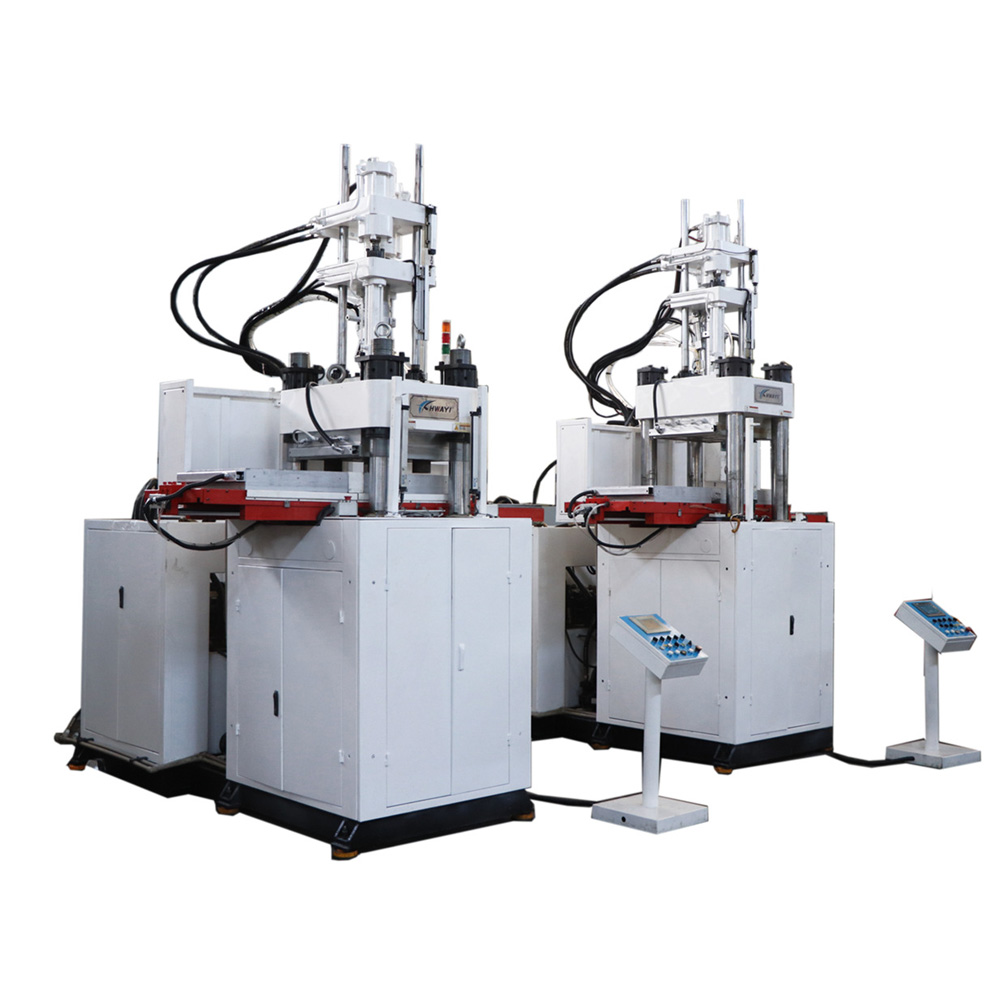
Not all presses handle vacuum well. A machine with a pronounced dead‑space in the injection unit or inadequate vacuum pump capacity will struggle to evacuate gas reliably. Consider machines with dedicated vacuum integration and fast‑acting valve systems. Regular preventive maintenance of pump seals and vacuum lines prevents the slow creep of performance loss that shows up as sporadic porosity.
Real‑world anchor: a medtech lens
In Galway, Ireland, medtech suppliers tightened their defect budgets by pairing improved mold venting with high‑vacuum capable presses — the result was a steady decline in visible porosity on LSR seals shipped to larger OEMs. That region’s ISO‑driven quality culture mirrors what many teams need: disciplined process control and clear metrics. Manufacturers often target defect rates measured in parts‑per‑million, so these interventions are not aesthetic; they’re financially material.
Common mistakes and what to avoid
Teams frequently hunt for exotic material fixes while overlooking simple flow dynamics. Don’t over‑vent — excessive vents invite flash. Avoid ramping temperature blindly; higher heat can increase outgassing and worsen porosity. And don’t assume one vacuum setting suits all cavity geometries; each tool needs process mapping and repeatable cycles.
How to evaluate solutions — three golden metrics
When choosing strategies or equipment, score options by these critical metrics:
1) Defect reduction per 1,000 parts: measure change in visible porosity or leak failures after a defined intervention.
2) Cycle stability: track variance in fill pressure and shot size across 100 cycles — lower variance wins.
3) Vacuum recovery time: quantify how quickly the system achieves target vacuum between cycles; faster recovery supports higher throughput without quality loss.
Closing thought
Fixes that marry good mold design, disciplined cycles, and proper vacuum integration translate directly into fewer rejects and steadier output — and for teams aiming to ship consistently, that’s the core value HWAYI brings through smart, purpose‑built equipment like their lsr molding machine and integrated vacuum options. Practical, measurable, and made to fit the job. —

