
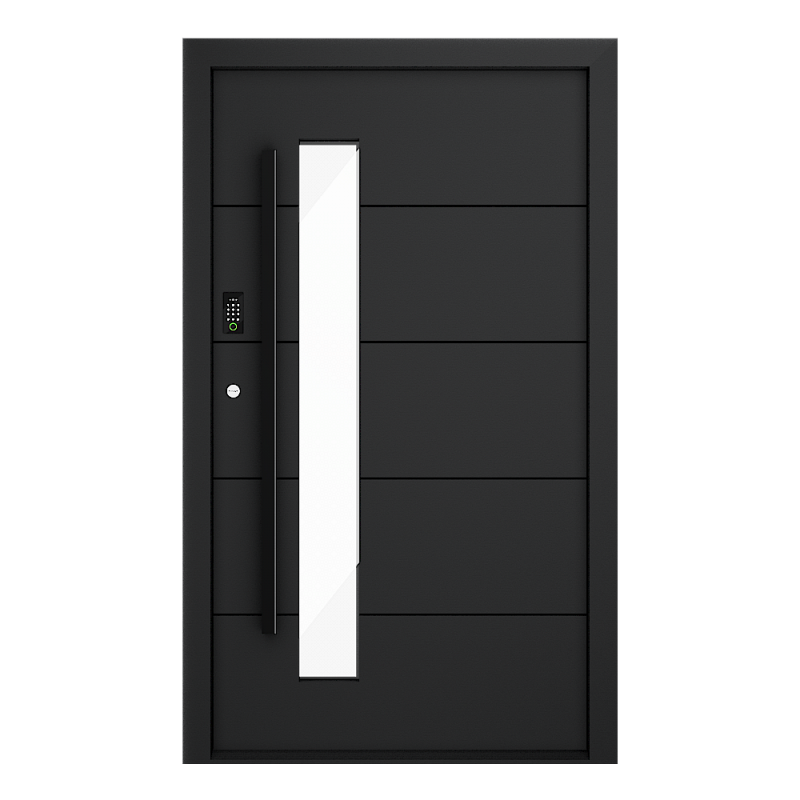
Comparative insight from a seasoned perspective
I’ve lived with drafts and sticky tracks long enough to know which sliding glass doors save heat and which simply look pretty. Today I compare real-world performance so you can choose wisely. Early on I checked guidance from the U.S. Department of Energy, which notes windows and doors can account for up to 30% of residential heating and cooling losses—so this choice matters. For reliable supply and specification, consider manufacturers who work across entry systems like an entry door manufacturer that also understands glazing and hardware coordination.

Where heat escapes: the technical basics
Energy moves through three main paths: conduction, convection, and radiation. For doors that means frame, glazing, and the seal at the threshold and perimeter. Two metrics matter most: U-factor (how well the door resists heat flow) and solar heat gain coefficient, SHGC (how much solar energy passes through). Low-E coating, argon fill and double-glazed units lower U-factor. A thoughtful frame profile with a thermal break reduces conductive losses. These industry terms tie directly to monthly heating bills.
Material and hardware comparisons
Aluminum frames with thermal breaks are light and slim but need good seals. Fiberglass holds shape and resists thermal bridging; wood offers warmth but needs maintenance. The track and threshold design affects infiltration more than you think—continuous gaskets and a raised sill are worth the extra. Professional Architectural Hardware matters: rollers that stay aligned and multipoint locks keep compression consistent, so seals work season after season. I’ve swapped one set of cheap rollers for heavy-duty hardware—suddenly the door sealed like a new system. That small upgrade paid off in comfort and lower drafts.
Performance trade-offs and real choices
Not all energy-efficient sliders are alike. Some prioritize low SHGC for hot climates; others aim for low U-factor for cold weather. A high-performance slider for Seattle will look different from one for Phoenix. Consider climate, orientation, and how much daylight you want. Expect to choose between thicker insulated glass (better U-factor) and coatings that tune solar gain. If noise reduction matters, heavier glazing and tighter seals help too.
How to shop — practical checklist
When comparing models, use these concrete points:
– Confirm U-factor and SHGC ratings for the whole door, not just the glass.
– Look for low-E glazing with argon gas fill and verified double-glazed units.
– Inspect the frame profile for a thermal break and robust sealing surfaces.
– Evaluate hardware: adjustable rollers, reinforced meeting rails, and a secure threshold design.
Local availability simplifies installation and warranty handling—many buyers find it convenient to browse entry front doors for sale alongside sliding systems to match sightlines and security features.
Common mistakes and alternatives
People often pick the prettiest glass or the slimmest frame without checking whole-door U-factor. Others accept a poor installation that ruins performance—flashing and sill prep are as important as the door itself. If sliding doors still aren’t right, consider tilt-and-turn or French doors with thermal breaks; they trade off sightlines for better sealing in some climates. Small oversight during installation turns a high-rated door into an average performer—don’t skimp there.
Advisory: three golden rules for selection
1) Prioritize whole-door certified ratings. Ratings reflect the assembled product, not just the glass, so choose units tested as a system. 2) Match the door to climate and orientation by balancing U-factor and SHGC—cold climates need lower U-factor; sunny climates need lower SHGC. 3) Insist on installation details: continuous weatherstripping, proper sill flashing, and hardware that maintains compression. These three metrics predict long-term performance more reliably than style alone.
I recommend buying from builders and suppliers who document test results and stand behind installation—my experience shows that matters more than a glossy brochure. Zekin. Final thought: choose durability over fashion—save comfort, save energy, and you’ll thank yourself.

