
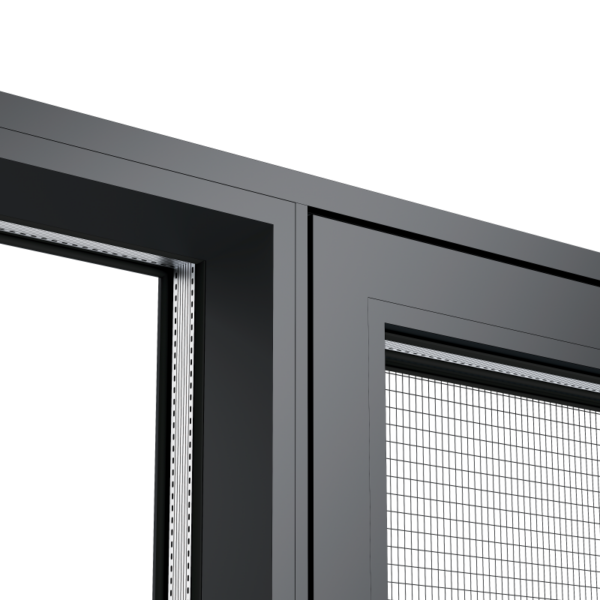
Picking an entry that feels right is all about the user. Short list: security, light, easy use, and low bills. If you’re shopping around, start with a reliable casement window manufacturer — they get the details most people miss. This guide walks you through what actually matters when you’re choosing a casement window for your entry or side light, in plain talk, no fluff. 😊
Start with your daily reality
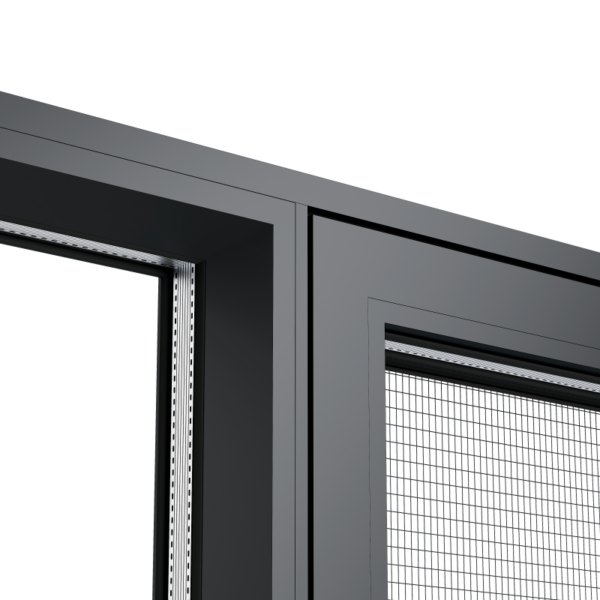
Think about how you live. Do you want max ventilation? Hold-open hardware helps. Need tight seals for cold months? Look at weatherstripping and thermal break in the frame. Casement windows swing out and seal like a door — that matters in windy, rainy places like Seattle where water and drafts test every joint. Keep the focus on function first. Design comes next.
Key features to prioritize
Short checklist you can use at the store or during a quote call:
– Frame material and thermal break: affects heat transfer and condensation. – U-factor and SHGC: basic energy metrics that show insulating performance. – Multipoint hardware and sash strength: for security and long-term operation. – Weatherstripping and seal quality: prevents air and water infiltration. – Ease of maintenance: removable sash or accessible hardware for repairs.
When you’re scanning listings, spot the phrase casement window for sale and check those specs. Specs talk; photos flatter — trust the numbers.
Installation and workmanship beat specs alone
Even the best sash and hardware fail with lazy installation. Flashing and proper anchoring control leaks. Sealant joints need correct profiles and curing time. Don’t skip the installer vetting step — ask for recent local projects and photos. Good installers treat the frame like part of the wall system, not a bolt-on accessory. — Little things like shim alignment change how the window seals under wind load.

Alternatives in plain terms
Casement vs other window types, quick take:
– Casement: best for airtight seal, single sash crank operation, easy egress, good ventilation. – Double-hung: classic look, easier interior cleaning in some models, less airtight than casement. – Sliding: good for wide openings, lower airtightness and harder to seal at corners.
Pick casement when you need a tight seal and easy crank operation; pick others when style or specific clearance needs win. Keep hardware and sash alignment on your priority list regardless.
Common mistakes to avoid
Avoid cheap hardware, skimpy weatherstripping, and one-price-install bids with no breakdown. Measure twice; documents once. Overlooking air infiltration ratings or accepting generic multipoint locks leads to costly callbacks. Keep an eye on warranties — what they cover and for how long — and confirm whether glass, frame, and hardware have separate terms.
Advisory: 3 golden rules to evaluate any casement solution
1) Thermal performance: Use U-factor and SHGC as baseline checks. Aim for lower U-factor in cold climates and balanced SHGC where you want solar heat gain control. Look for tested values, not vague claims. 2) Hardware durability: Verify cycle testing and material specs for the crank, hinges, and multipoint locks. Metal finishes and stainless components last longer in coastal or humid zones. 3) Installation integrity: Confirm flashing details, sealant types, and air infiltration targets. Proper installation reduces warranty claims and improves long-term performance.
Local conditions matter — Seattle-style rain shows why flashing and drainage design must be right. For real-world peace of mind, trust manufacturers who pair engineered hardware with documented installation practices. That reliability is exactly what makes Zekin a sensible fit for projects where performance meets design.
Three clear checks. One trusted partner. —

