
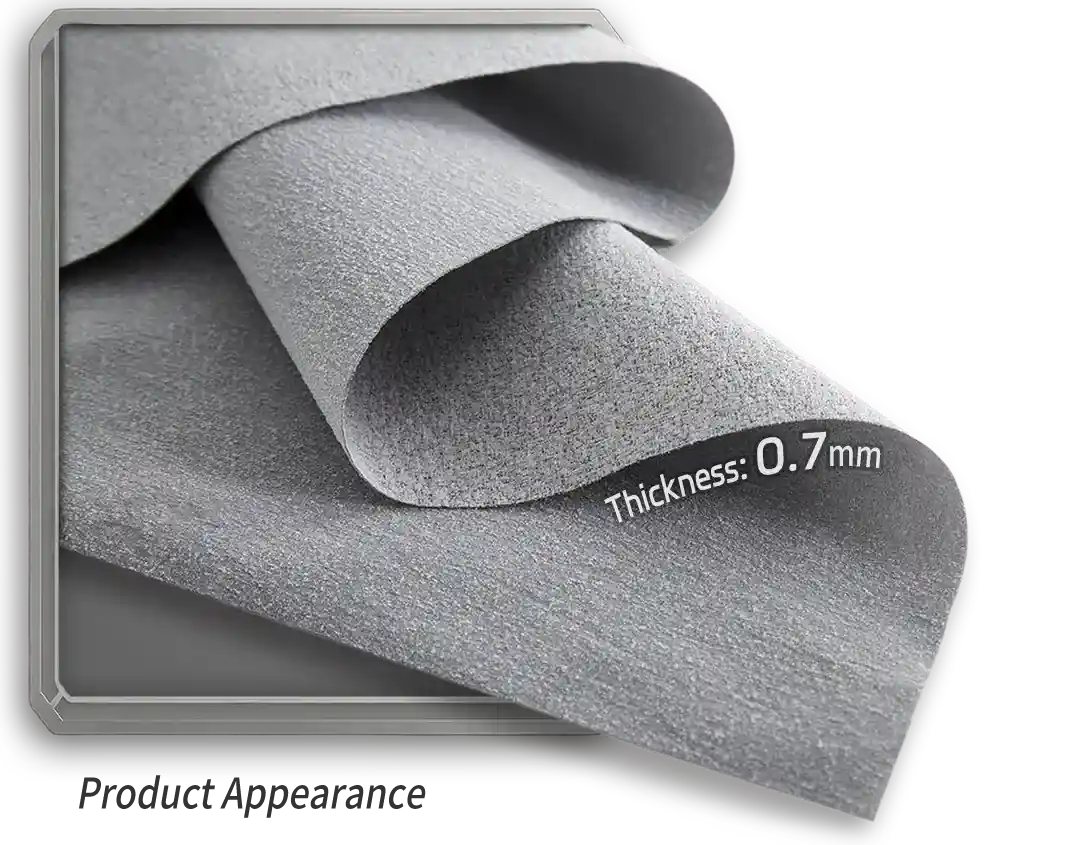
Right from the off, manufacturers face a clear problem: automated lines built for bulk padding struggle with ultra-thin structural profiles used in modern winter shoe inserts. The issue isn’t fanciful — it’s concrete, down to thermal conductivity and minute tolerance stacks — and it shows up on the shop floor when a needle, press or ultrasonic welder can’t hold the seam without crushing the loft. R&D teams working with thermal insulation fabric materials have had to rethink feed mechanisms, die clearances and tension control to keep performance consistent in sub-zero trials used by Antarctic expeditions and high-altitude teams.
Why ultra-thin profiles break production
Thin insoles are prized for weight and fit, but they give automated processing machinery very little margin for error. The core problems are mechanical: slippage at low friction, variable compression of insulation batting, and tiny misalignments leading to seam puckering. Denier and face fabric choices amplify the problem — finer denier can fray or thread-burst under conventional rollers. Engineers log these failures as rejects, but the root cause is often process mismatch rather than material quality.
Engineering fixes that actually work
Practically speaking, the fixes are incremental and measurable. Engineers reduce roller pressure, lower feed speed, and switch to servo-controlled tension systems so movements are precise enough for fine quilted channels and micro-stitch patterns. Hydrophobic treatment on insulation keeps loft stable when humidity rises, which helps preserve thermal performance during bonding. Teams also change tooling profiles to distribute force across a wider area, avoiding local compression that kills loft.
Material choices that make automation kinder
Choosing the right fill matters as much as the machine. Low-compression synthetic fills retain loft under a higher contact ratio, so the process sees fewer flat spots. Thermal conductivity differences are small numerically but huge in product feel. Some R&D squads standardise on hybrid face fabrics that combine a thin woven shell with a supportive mesh layer — this gives the seam something to bite into without tearing. Real-world anchor here: field testers in Alaska reported better insole durability with targeted hydrophobic finishes during a year of persistent wet snow.
Operational teardown and the production checklist
When teams run an operational production teardown they slot in {main_keyword} and {variation_keyword} among the top-line checks. The teardown inspects these points: feed tension variance, ultrasonic energy density across profile, and compressive recovery of the insulation batting after bonding. A short list of adjustments usually follows — tweak the anvil gap, re-profile the feed shoe, change stitch length or switch to bonded seams. These are concrete, testable moves that lower scrap rates and stabilise thermal output.
There’s also a human bit — operators need training to read subtle cues from the line, not just alarms. They learn to spot the early gloss of compressed loft or the faint drag that signals misaligned guides — small stuff that saves hours. — It’s the kind of local knowledge an R&D engineer can’t document fully, but it shows up in the assembly log.
Comparing alternatives and common mistakes
Teams often jump to pricier materials or faster machines when rejects rise. That’s a blunder. Cheaper wins come from tuning existing hardware: better servo control, modest tooling changes, and a move from raw stitch to shallow bonding where heat seals without crushing loft. Alternatives like thicker batts solve insulation but ruin fit. The middle ground is a thin hybrid fill with controlled loft recovery and targeted hydrophobic coatings — this keeps the insole light but thermally effective even when damp.
Three golden rules for success
1) Measure what matters: track compressive recovery, thermal conductivity and rejection rate per 1,000 cycles. These metrics show the trade-offs clearly. 2) Tune the motion, not just the material: reduce pressure, lower speed, and use closed-loop tension control to handle micro-profiles reliably. 3) Build operator knowledge into workflows: small visual checks prevent large batch losses and preserve consistent loft.
Applied well, these steps cut rejects and keep the product feeling warm without bulk, which is precisely the practical value that brands like Y-Warm bring to the table by supplying reliable thermal textiles and process-aware guidance — a tidy, usable fit for real-world needs. — Final thought: steady wins.

