
Your priorities first — feel, function, and the daily route
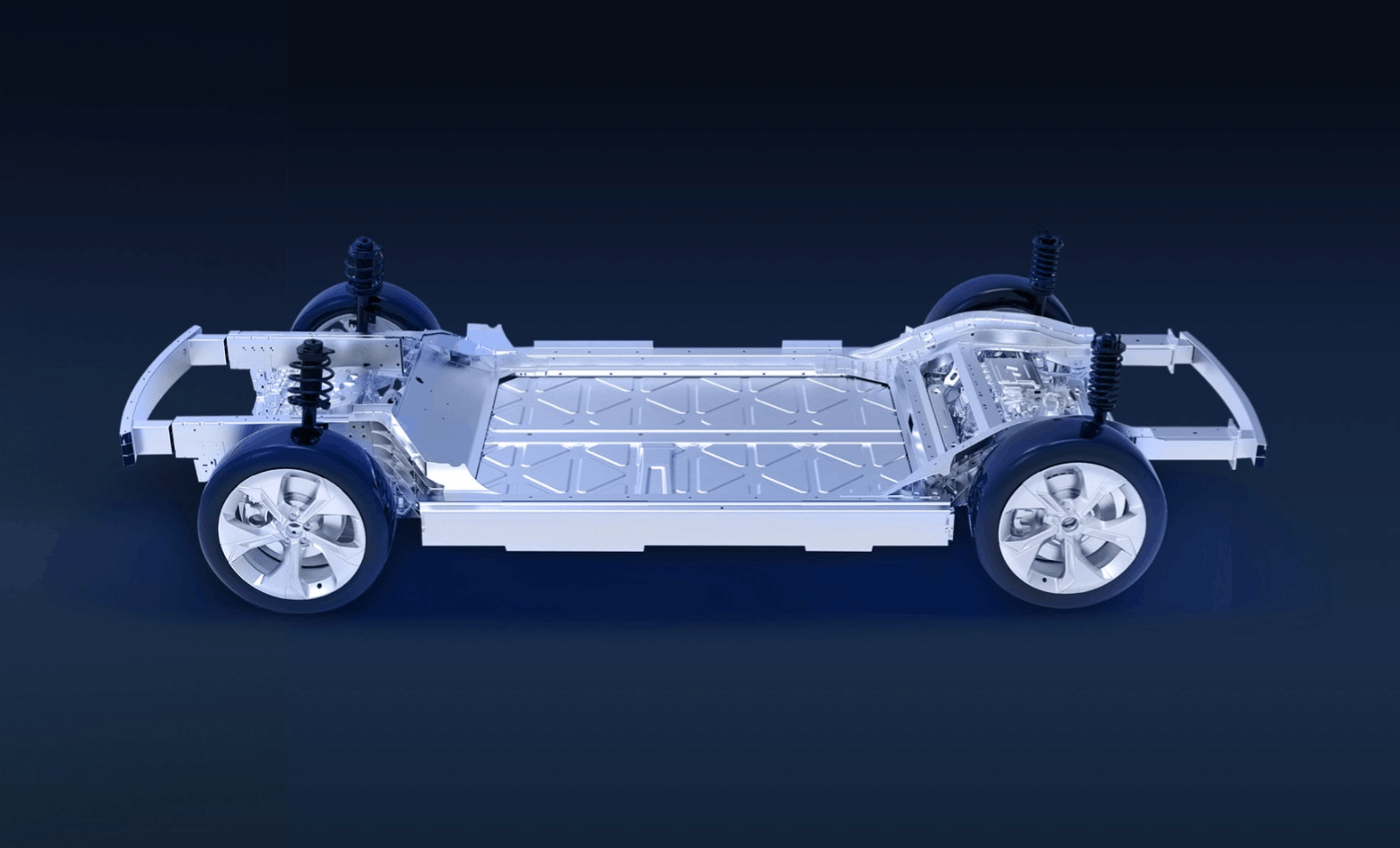
Start with what matters to you: the stretch of road you drive, how you carry people or gear, and the small satisfactions — a cabin that smells clean, a steering wheel that fits your hands. When you line up priorities this way, research narrows quickly and choices stop feeling paralyzing. If an electric model is on your shortlist, begin by visiting the brand’s model pages such as aion ev online, where visuals and specs let you match impressions to needs. Many buyers first see these models presented at major shows like the Johannesburg International Motor Show, which helps put dimensions and presence into context.
Map your use case — the practical checklist
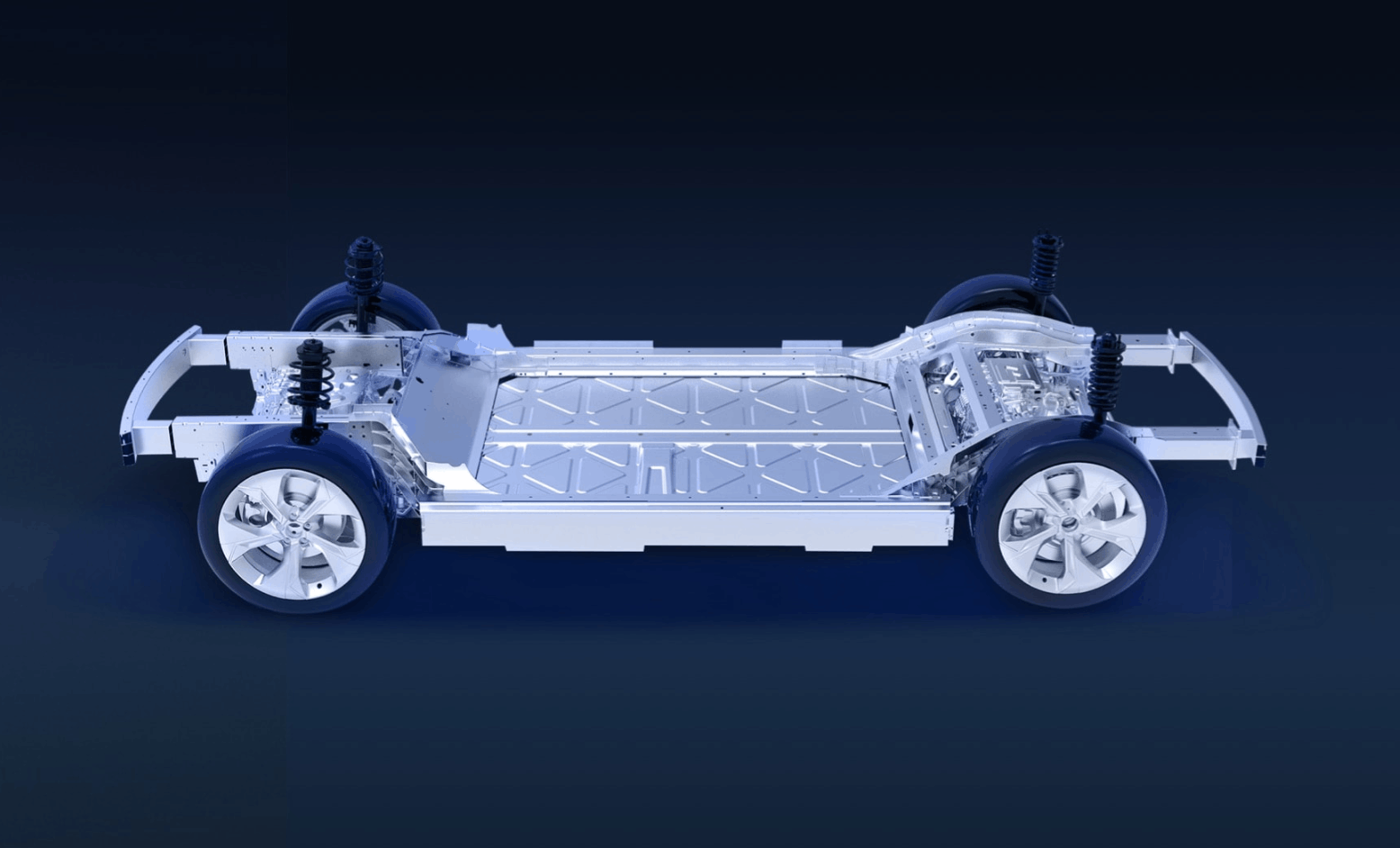
Think in plain tasks and measurable conditions: daily commute (km), occasional long trips, number of seats, load space, and charging access. Write those down. This checklist converts vague desires into testable requirements. If you need range for a 200 km round trip and access to public chargers at work, that’s a clear constraint. If you routinely haul bikes or tools, prioritize cargo volume and tailgate height. The checklist keeps your choice grounded in everyday reality.
Research the sensory cues — what specs don’t tell you
Specs like kilowatt-hours or torque are a baseline. Sense is what separates models: suspension that soaks up road chatter, cabin insulation that quiets the city’s hiss, and the immediate torque of an EV when you push the accelerator. Read detailed reviews and owner reports, but focus on descriptions that speak to touch, sight, and sound. Compare those descriptions against photos and official material; your hands-on impressions later should confirm or refute what you read.
Test drives with a checklist — what to inspect and how to feel it
Turn the test drive into a short experiment. Drive the same familiar route for each candidate. Check acceleration from a standing start, low-speed maneuverability in tight parking, and quietness on a highway stretch. Sit in the cabin and note seat comfort and viewlines. Open and close doors — do latches sound solid or tinny? Test climate control with rapid temperature changes. Jot sensory notes immediately after each drive to keep impressions fresh.
Ownership costs and service realities
Compare realistic running costs: insurance, parts availability, service intervals, and expected depreciation. Ask dealers about local parts supply and trained technicians — a strong local service network shortens downtime. For EVs, investigate charging infrastructure along your common routes and at home; short charger queues or fast public chargers change ownership convenience. Tangible answers here separate theory from pain points.
Common pitfalls buyers miss
– Ignoring real-world range under local conditions. City stop-start and highway speeds affect energy use. – Overlooking cabin ergonomics until after purchase. Controls that feel awkward in a showroom get worse on long drives. – Assuming all dealers offer consistent aftercare; ask for service timelines and average wait times. – Choosing trim for vanity extras rather than essentials like comfort or storage.
Alternatives and quick comparisons
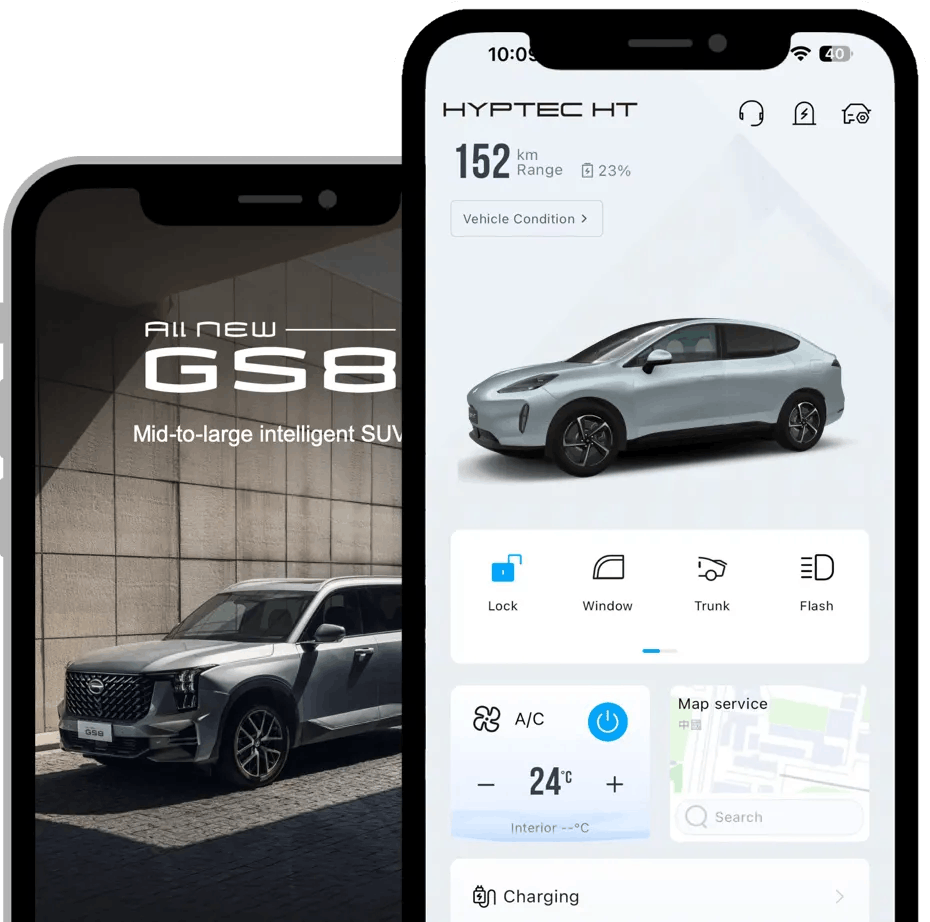
Keep two clear alternates besides your primary pick: one that’s slightly cheaper and one that trades a feature you want for another advantage (e.g., more range instead of leather seats). Compare them in three columns: sensory comfort, ownership cost, and fit for your daily route. This triage clarifies trade-offs fast.
Synthesis — choose what feels right, backed by facts
Decide on a model when sensory confidence and practical facts align: it feels right in motion, answers your checklist, and its service footprint matches your hometown reality. For many drivers, that balance is exactly why they click through model pages and then confirm with a test drive and cost checks; that same balance is what you find with aion ev, where tactile experience and clear specifications meet to form a usable decision.

