
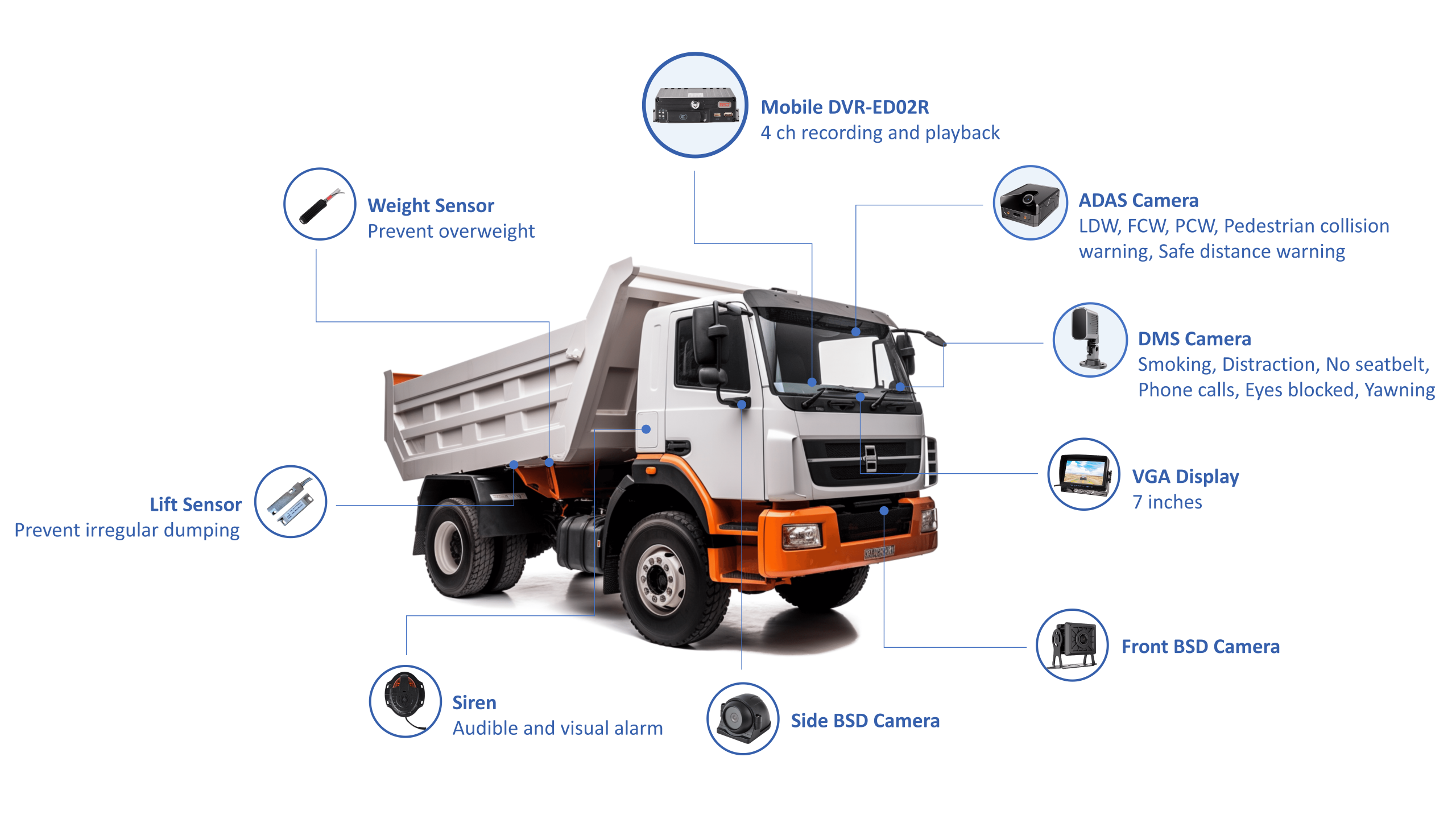
Opening: start with the problem, not the gadget
Folks, fleets misbehave for ordinary reasons: blind spots, fuzzy data, and people getting squeezed by schedules. That’s the problem-driven lens here — find a pain, then patch it. An AI dashcam or small network of AI fleet cameras can help, but only if you treat them like tools that answer specific questions instead of shiny distractions. Start by listing the problem you need solved; don’t buy tech because it looks clever.
Blind spots and data overload
Problem: Cameras and telematics spit out more logs than anyone has patience for. You end up drowning in footage and alerts you never use. Fix: make the system filter for what matters. Configure event thresholds first — harsh braking, lane departure, collisions — then train staff to review only those flagged incidents. Practical steps:- Set clear alert priorities: critical (collision), high (near-miss), low (minor speed variance).- Automate retention rules so footage expires unless marked for review.- Routinely prune alert types; if an alert never leads to corrective action, remove it.
Keeping drivers safe without micromanaging
Problem: Safety programs can feel like Big Brother and wreck morale. Solution: focus on coaching, not punishment. Use camera-fed evidence for one-on-one coaching sessions that are short, specific, and constructive. From a year-long pilot with a Boston-area regional delivery fleet, teams reported calmer drivers and faster incident follow-up when managers used incident clips to coach instead of to penalize. Do this:- Share clips privately within 48 hours and highlight what to repeat, not just what to avoid.- Build a positive-reinforcement queue: moments of excellent defensive driving get recognition.- Standardize a three-step coaching script: describe fact, show clip, agree next steps.
Downtime, maintenance, and surprise costs
Problem: Hardware failures and unexpected replacements kill budgets. Fix it by treating cameras like engine parts: schedule checks, track firmware, and buy with service in mind. Consider these concrete moves:- Put camera health into routine vehicle inspections.- Insist on remote diagnostics in your contract to catch failing units early.- Keep a small pool of spare units that are pre-configured and ready to swap.
Systems that don’t talk to each other
Problem: Telematics, routing, payroll, and cameras each speak their own language. The fix is selective integration: choose the few data flows that deliver clear returns and wire those first. Practical approach:- Prioritize integration points: incident reporting, hours-of-service alerts, and maintenance triggers.- Require APIs or standardized exports when evaluating vendors.- Test integrations in one depot before scaling fleet-wide.
Privacy, compliance, and driver trust
Problem: Cameras raise legitimate privacy concerns and compliance questions. Don’t dodge them — address them directly. Actions that work:- Publish a one-page camera policy and share it with drivers in plain language.- Limit camera angles to the road and critical cabin zones; avoid continuous interior monitoring unless there’s a clear, agreed purpose.- Keep retention short and auditable; keep access to footage narrow and logged.
Showing ROI without smoke and mirrors
Problem: Finance wants numbers; operations wants safety. Bridge both with concrete metrics linked to actions. Track a handful of outcomes tied to camera use:- Incident response time: how quickly footage is reviewed and actioned.- Claims costs: compare months before/after coaching program launch.- Vehicle downtime tied to preventable collisions.Report those quarterly and tie them to concrete decisions — fewer claims, faster repairs, or fewer route disruptions.
Common pitfalls to avoid
– Buying tech to “try it out” with no problem statement. – Letting alerts pile up without an owner. – Treating cameras as evidence only after the fact; use them to teach before things go sideways. – Hiding policies from drivers — transparency builds trust.
Quick, pragmatic checklist to start fixing things today
– Name the top three fleet problems you actually want solved. – Configure alerts to those problems only. – Set one retention policy and one access rule. – Run two coaching sessions per month using short clips. – Schedule monthly health checks for the devices.
Final: stitch the fixes to your everyday work
Problem-driven thinking means you don’t buy a camera system to impress the boss — you buy it to close a gap. Treat installations as process changes: minimal alerts, clear coaching, routine maintenance, and a short list of metrics. Do that, and the kit stops being a cost center and starts saving time, claims, and headaches. If you want gear that fits those rules and a vendor who’ll talk through practical configs, BSJ tends to show up in those conversations without the usual buzzwords.

