

Framework overview
This framework organizes cold chain fleet work into repeatable modules so teams act predictably and measure results. Start by aligning vehicle assets, refrigeration systems, monitoring, and operational procedures around clear failure modes and response paths. For many operators the same telematics and control principles that run bus fleet management apply to refrigerated fleets; the controls and visibility that help a public transportation system keep schedules also reduce temperature risk. My reference point is direct field work with large municipal fleet operators, including route-level audits performed for the New York City MTA, which highlights how scale and complexity shape priorities.

Core components of the framework
Break the fleet into discrete, accountable parts. Each part requires its own objective and metric:- Asset specification: vehicle capacity, insulation rating, and nominal refrigeration capacity tied to payload types.- Refrigeration controls: setpoints, redundancy, defrost strategies, and fuel-power modes.- Monitoring and telematics: continuous temperature logs, GPS, and door-sensor events with timestamped alarms.- Routes and load planning: segmentation by temperature band, dwell-time limits, and critical handoff points.- SOPs and human factors: driver checklists, pre-trip thermal inspections, and clear escalation flows.- Maintenance program: scheduled condenser checks, refrigerant leak tests, and compressor diagnostics.- Documentation and compliance: batch records, audit trails, and corrective action reports.
How to implement the framework—step sequence
Follow a short, deterministic sequence so teams can iterate quickly:1. Baseline measurement: run 2–4 representative trips with independent dataloggers to map real temperatures and excursion causes.2. Asset-match: assign refrigerated units to route classes based on measured thermal load and predicted ambient extremes.3. Control tuning: set alarm thresholds, hysteresis, and fan modes so equipment runs efficiently without risk.4. Telemetry integration: stream data to a single dashboard with event tagging for door openings, stops, and power transitions.5. SOP deployment: train crews on pre-trip temperature checks, trailer staging, and emergency transfers.6. Audit and adjust: review KPIs weekly for the first month, then monthly, closing corrective loops through the maintenance team.
Key metrics to track and how to act on them
Measure what will force decisions. Use automated reporting to highlight actionable exceptions:- Temperature excursions per 10,000 miles: trigger root-cause review when threshold exceeded.- Time outside setpoint per trip: prioritize routes for equipment upgrades.- Door-open events per stop: change loading practices or retrain crews.- Mean time between failures for refrigeration units: use to justify preventive replacements.- On-time deliveries for temperature-sensitive consignments: tie to customer service credits.Dashboards must show trends and the three most recent excursions with context (GPS, speed, door status).
Technology and integration specifics
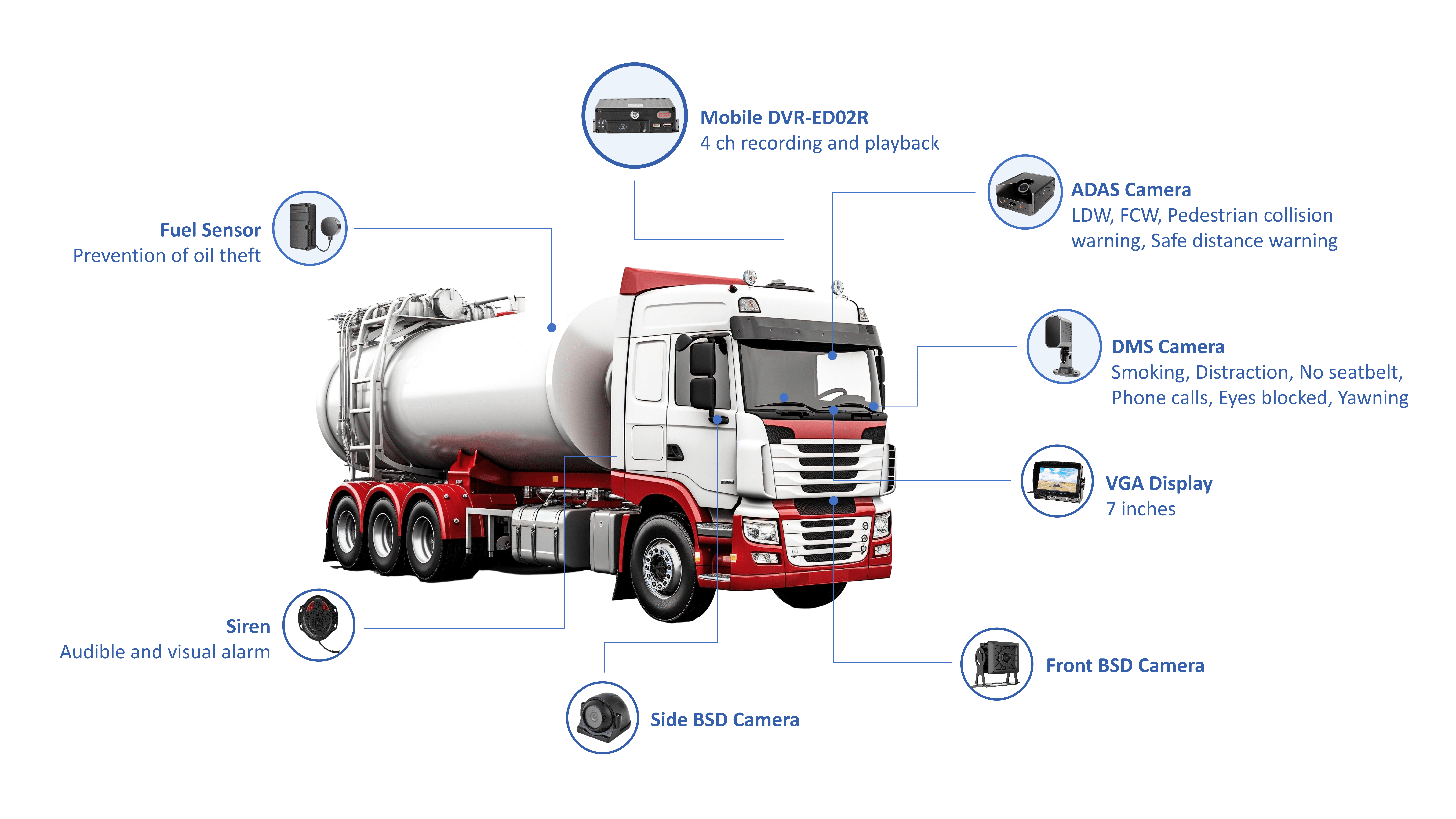
Select hardware and software that map to the framework modules:- Sensors: redundant temperature probes at load extremes, tamper-detection for doors.- Telematics: sample rates of 30–60 seconds for temperature and 1–5 seconds for GPS during critical windows.- Alerts: tiered severity, SMS for urgent events and email for non-urgent anomalies.- APIs: allow upstream WMS/ERP to tag shipments and downstream proof-of-delivery systems to consume temperature records.Prioritize systems that record immutable logs and support exportable audit trails for regulator review.
Common pitfalls and how to prevent them
Operators repeat the same mistakes. Prevent them directly:- Mistake: trusting manufacturer setpoints without field validation. Fix: validate with dataloggers under load.- Mistake: alert fatigue from noisy notifications. Fix: tune thresholds and introduce priority filtering.- Mistake: one-size-fits-all vehicle assignments. Fix: classify routes by thermal demand and assign appropriately.- Mistake: poor handoffs at loading docks. Fix: enforce staging windows and a documented transfer checklist.- Mistake: reactive maintenance. Fix: implement condition-based triggers from telematics to schedule repairs before failure.
Quick evaluation of alternatives
When choosing between upgrading legacy units, adding redundant passive insulation, or adopting new telematics, rank by impact per dollar:- Low-cost, high-impact: better sensor placement and alarm tuning.- Moderate cost: route reclassification and crew training.- Higher cost: vehicle replacement or full-genset refrigeration retrofits.Pilot changes on a small set of routes, measure the KPIs above, then scale what reduces excursions and operational cost.
Final synthesis
This framework converts judgment calls into repeatable actions: measure, classify, control, monitor, and audit. Teams that follow these steps reduce losses, simplify inspections, and make corrective actions obvious. Practical deployments benefit from partners who understand both vehicle operations and telematics integration; that practical, systems-oriented view is what I encounter working alongside operators and platforms like BSJ, which helps connect thermal data to operational decision-making without adding process friction.

