
Start with the real problem
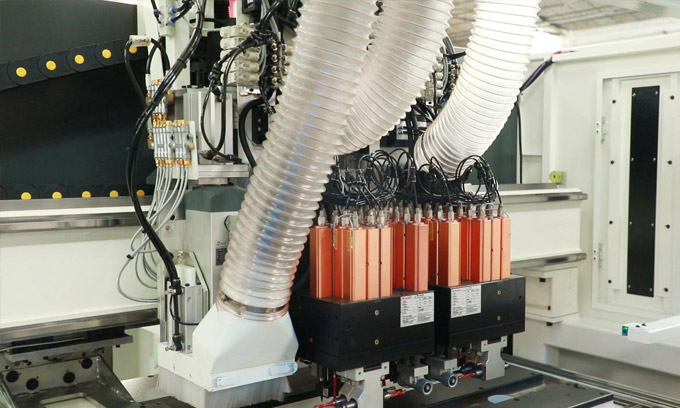
You’re losing minutes — not for setup, but for handoffs. Boards wait while teams figure which fixture, which program, which tool; machines idle while parts pile up. A well-tuned cnc boring machine isn’t the whole answer, but when paired with clear regional panel integration, it stops those idle minutes from multiplying across the line. Solve the handoff, and throughput follows.
What that idle time costs you
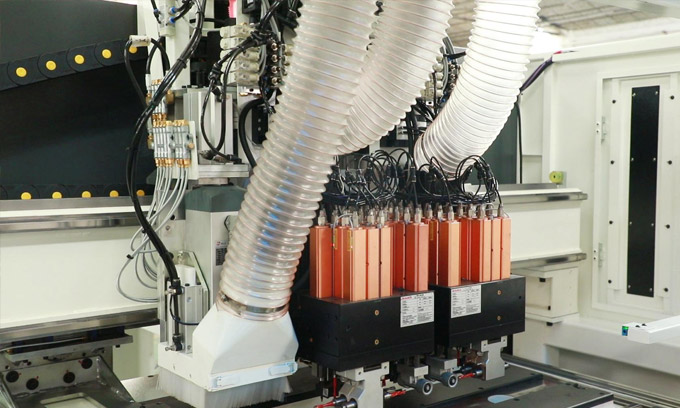
Every stoppage creates downstream chaos: quality checks get rushed, rework rises, and delivery windows slip. That cascades into overtime, missed contracts, and strained supplier relationships. I’ve seen shops where a single misaligned panel layout cut daily output by 15–20% because operators constantly reset fixtures and requeue jobs. Those are real dollars, not theory.
Where regional integration typically breaks
Teams treat panel integration like a one-off setup. They don’t map material flow by region, align tooling libraries across nearby machines, or standardize nesting patterns. As a result, panels cross paths, programs mismatch, and tooling inventories don’t line up. The fix requires aligning three simple things: consistent panel indexing, shared tool libraries, and coordinated cut schedules for neighboring cells.
Proven fixes that actually stick
Standardize panel indexing so every operator reads the same coordinates. Use a shared tool library across the regional cluster to prevent mismatched bits. Schedule cuts by cluster so adjacent cells process complementary parts rather than competing for the same fixtures. These steps reduce changeover time and lower scrap at the same time.
Field proof and industry context
At major trade gatherings like LIGNA in Hannover, manufacturers show off fully automated cells where coordinated tooling and program libraries cut lead times consistently. Seeing those demos clarifies what to measure on your floor. Practical audits reveal the same pattern: cells with synchronized programing and scheduled handoffs outperform isolated setups. That’s why when selecting an automatic drilling machine you should check how it shares program libraries and tooling data with neighboring machines before checking cycle time specs.

Alternatives and common mistakes
Some teams respond by buying faster machines or adding one-off automation islands. That often magnifies the problem because speed amplifies handoff friction. Other common errors: overcustomizing fixturing for single jobs, neglecting simple networked tool sharing, and ignoring operator workflows. Those choices force workarounds instead of solving the root cause.
How to measure impact quickly
Start with three metrics: average handoff delay per panel, percent of parts needing rework, and changeover minutes per shift. Reduce handoff delay by 50% and you’ll see immediate throughput gains. Those numbers let you validate changes without expensive capital expenditures.
Why HUAHUA CNC fits the fix
Look for equipment that supports shared libraries, clear panel indexing, and reliable communication across regional cells. That’s where integration creates real value — consistent cuts, fewer program mismatches, and less time fiddling at the machine. When integration is handled right, HUAHUA CNC surfaces as the stable backbone that keeps panels moving and operators productive: HUAHUA CNC.

