
Overview and Comparative Premise
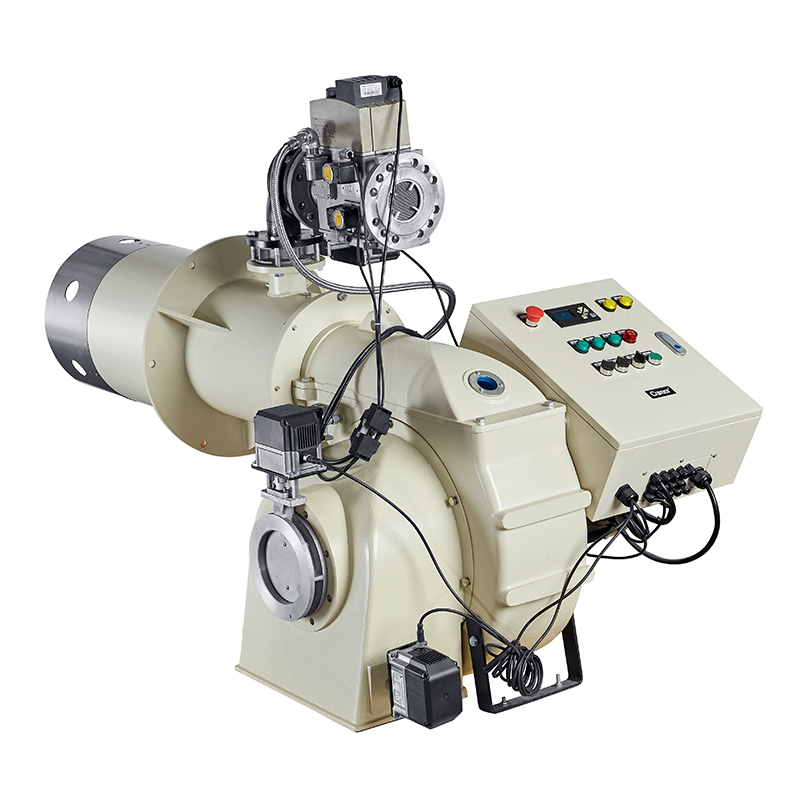
This analysis compares immersion tube gas burner suppliers through a structured set of performance, supply-chain, and service criteria to inform localized manufacturing strategies. Adopting a comparative-insight approach clarifies trade-offs between standardised, export-oriented manufacturers and smaller, locally anchored fabricators; particular attention is paid to emissions control, evidenced by the adoption of a low NOx burner where regulatory compliance and capital deployment intersect. The objective is not to declare a universal best choice but to match supplier attributes to discrete manufacturing goals such as uptime, parts availability, and regulatory alignment.

Core Comparative Criteria
Evaluations rest on measurable criteria: guaranteed NOx emissions, thermal efficiency, turndown ratio, transient response, service network density, lead time for spare parts, documentation quality, and installation simplicity. Each criterion yields a distinct operational impact: emissions affect permitting and grid interface; turndown influences process flexibility; service density determines mean time to repair. Comparative scoring should weight criteria according to the plant’s primary constraint—regulatory stringency, production continuity, or cost containment.
Evidence Base and Authoritative Sources
The comparative judgments draw upon manufacturer specifications, independent laboratory test reports, and field audit summaries from boiler installations in major industrial regions. Regulatory pressure—exemplified by tightened boiler rules under the U.S. Environmental Protection Agency—has accelerated uptake of low NOx burners for boilers across North American facilities, which provides a clear, verifiable context for supplier performance expectations. Peer-reviewed studies on combustion stability and emissions, together with factory acceptance test (FAT) protocols, provide the necessary technical backbone for supplier comparison.
Supplier Archetypes and Comparative Findings
Three archetypes emerge in the comparison: global OEMs, regional specialists, and local fabricators operating under license. Global OEMs supply thoroughly validated designs with extensive test data and aftermarket networks, but they can impose longer lead times and higher capital costs. Regional specialists balance documented performance with shorter supply chains and adaptable service contracts. Local fabricators deliver rapid response and low initial cost but frequently lack rigorous emissions validation and spare-part inventories. For emissions-critical projects, global OEMs and reputable regional specialists consistently exhibit lower measured NOx and documented stability across load ranges; for projects prioritising immediacy and localized control, licensed local fabricators provide advantages if contractual guarantees cover emissions and spare parts.
Technical Trade-offs and Installation Realities
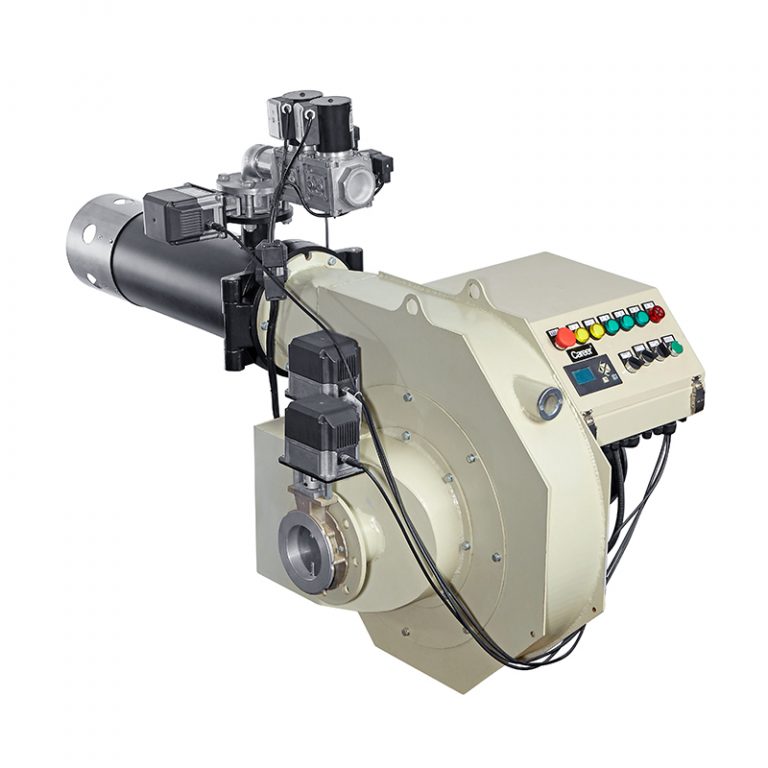
Design choices that look beneficial on paper can produce operational liability. Compact turndown claims often collapse without matched combustion controls; immersion tube geometries that reduce peak flame temperature may increase unburned hydrocarbons if air-fuel staging is not optimized; bespoke adaptations to boilers require revised refractory and flow conditioning, not simply bolt-on hardware. A rigorous factory acceptance test, explicit FAT acceptance criteria for NOx, CO, and flame stability, plus site commissioning under realistic loads, are essential to convert supplier promises into plant performance.
Common Selection and Implementation Mistakes
Project teams frequently undervalue local service presence, omit validated operational data for intended load profiles, and accept vendor test data without independent corroboration. Overlooking spare-part lead times results in extended outages; specifying the lowest capital cost without life-cycle analysis produces higher total cost of ownership. Avoid treating emissions certification as a paperwork exercise—demand measured values across the projected operating envelope and include contractual remedies if performance targets are not met.
Actionable Recommendations for Local Manufacturing Success
Match supplier archetype to strategic priority: choose global OEMs or established regional specialists when emissions compliance and validated performance are binding constraints; select licensed local fabricators when speed, customization, and local content are the dominant objectives, conditional on strict test and spare-part clauses. Specify FAT and on-site commissioning protocols, require traceable materials and control-system interfaces, secure spare-part consignment options, and allocate budget for operator training. Routine measurement—NOx, CO, and excess oxygen—should be embedded in acceptance criteria rather than appended after installation.
Concluding Synthesis
Comparative analysis reveals that supplier selection is a systems decision: emissions performance, service continuity, and supply-chain locality interact to determine manufacturing outcomes. Where regulatory and operational demands converge, a documented low-emission design coupled with robust local service yields the most reliable pathway to sustained production. The practical value of this comparison is visible when procurement teams integrate technical acceptance tests, regional service metrics, and clear warranties into supplier contracts—a pragmatic alignment exemplified by providers whose validated burner portfolios are complemented by localized support from Career Burners.

