
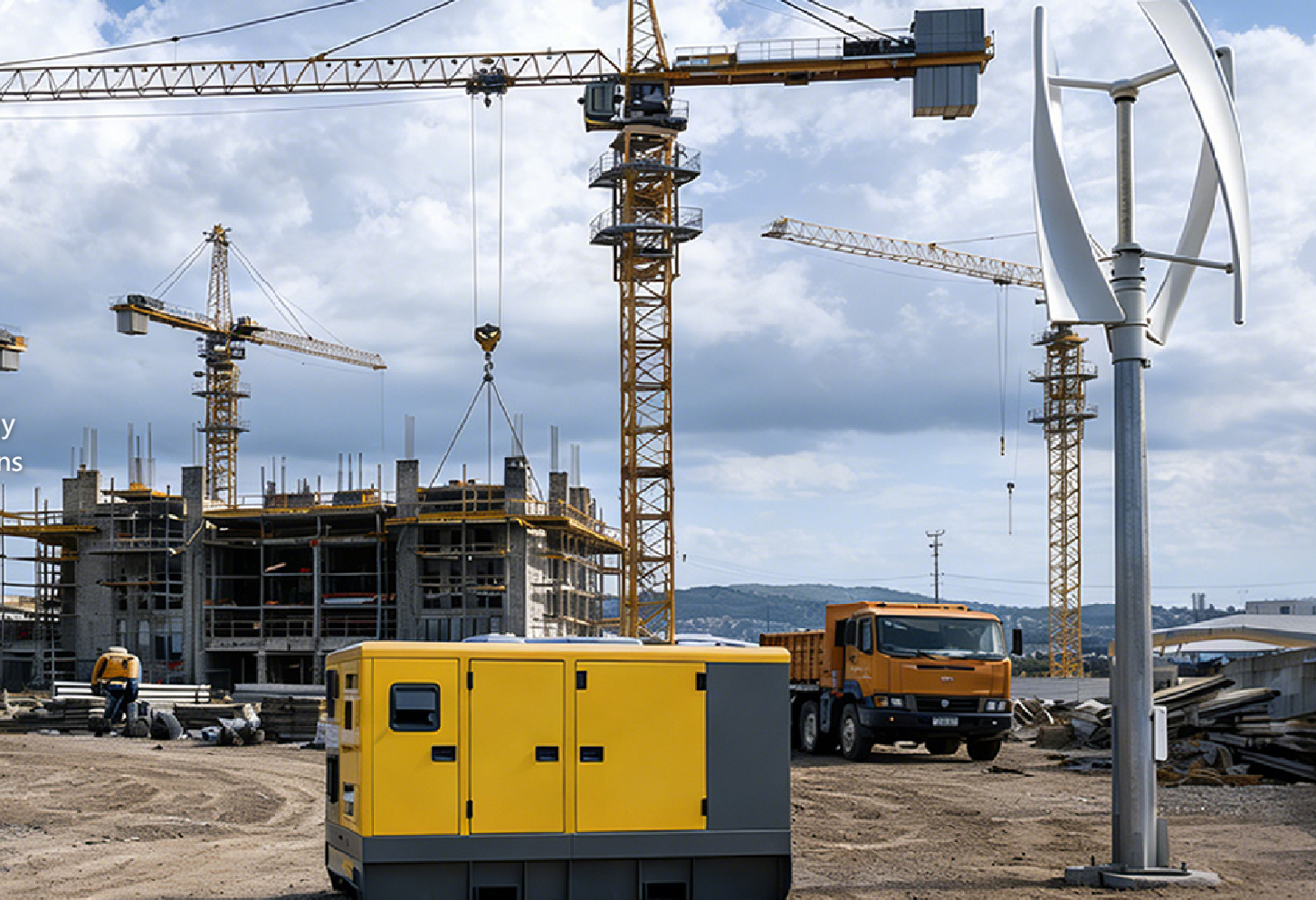
Problem: choosing the right system when uptime matters
Commercial sites off the grid face a hard choice: add batteries to shore up a generator set, or build a self-contained microgrid that handles generation, control and islanding. The immediate problem is simple — you need continuous power, and poor choices cost real money and downtime. Some teams assume a battery bank alone will fix generator volatility; others push for full automation like an island microgrid without checking whether they have the skills, budget or site constraints to run it properly.
Core technical differences that create real problems
Energy storage system (ESS) only: this typically means a battery bank with inverters and basic control. It’s quick to install and reduces fuel burn by smoothing peaks. But it still relies on external or existing generation for long-duration supply. The real problem: a large fault or prolonged cloudy period still leaves you dependent on diesel or another generator.
Off‑grid microgrid: this bundles generation (solar, diesel, sometimes wind), storage, load management and control systems into a coordinated platform. The advantage is autonomous operation and better resilience. The thorny part is complexity — more control logic, protection settings, and commissioning steps that require specialist skills.
When each option fails — common operational pain points
Batteries-only pitfalls: undersized batteries, poor state-of-charge management, and mismatched inverter sizing cause repeated generator cycling or battery strain. Teams often specify energy capacity without modelling peak power, and that mismatch bites during peak demand.
Microgrid pitfalls: incorrect protection coordination, weak communications between controllers, and inadequate training. You can have a technically capable microgrid that trips itself repeatedly because the commissioning was rushed or the site team isn’t trained to manage automated modes.
Cost trade-offs and financing friction
Batteries-first is lower capex and quicker approvals. You pay less upfront but accept higher operational fuel and maintenance costs if you keep running generators for longer stretches. A microgrid has higher initial cost and longer payback horizon, but it reduces fuel spend and can be easier to insure for critical loads because it isolates faults locally.
Financing is the choke point. Lenders want predictable O&M plans and warranties. If you can’t show trained operators and a maintenance contract, microgrid bids often attract higher financing costs or tougher terms.
Design checklist — avoid the usual mistakes
Ask these questions on every tender. A simple checklist prevents expensive rework:
- What are the firm load requirements (kW) and the energy needs (kWh) for the longest outage we must cover?
- Do you need black-start capability or only ride-through for short outages?
- Has someone modelled peak power, not just daily energy?
- Who will commission, who will operate, and who will maintain? Get names and SKUs on contracts.
- Is site safety and protection coordination documented and signed off by an independent engineer?
Operational guidance and common fixes
Prioritise control logic that protects batteries and prevents nuisance trips. Size inverters for peak instantaneous loads, not just average loads. Keep the battery state-of-charge window conservative if you lack temperature-controlled housing. For microgrids, test transition modes: grid-forming, islanding, seamless transfer. Failure to test those transitions is the single biggest operational blind spot.
Hybrid case note: a solar diesel battery microgrid is a common compromise — solar reduces day‑time generator hours, the battery buffers clouds and ramps, and diesel provides long-duration energy. That mix works well when the diesel is well‑maintained and the battery management system is tuned to the local temperature profile.
One real example that keeps the problems honest
A commercial mine in the Northern Cape fitted a solar diesel battery microgrid to cut generator hours while keeping 24/7 operations. The team learned to size battery discharge rates for heavy-start equipment and to schedule diesel maintenance during predictable low‑load windows. That practical lesson shows the importance of matching technology to real load patterns, not to theoretical averages.
Action plan: how to pick the right path for your site
If you need short-term smoothing, lower capex and have reliable gensets, choose ESS-first and plan staged upgrades. If you must guarantee long-duration autonomy, critical-load isolation, or better remote control, plan a microgrid with explicit commissioning and an operator-training budget. Document responsibilities. Budget for third-party commissioning and at least two years of specialised O&M.
Wrap-up that solves the core problem
Decide based on the failure mode you cannot accept. If a short interruption is tolerable, batteries fix a real problem fast. If sustained outages or automated islanding are non-negotiable, invest the time and money to do the microgrid properly. Practical projects need clear specs, trained operators and staged testing — that’s the path that stops firefighting and delivers steady power, as teams implementing site-specific designs through WidenEdge have learned to do well.

