
Opening Preface
Long have engineers and makers laboured to unite motion and matter, and the tale of mixing apparatus proceeds from simple paddles to precision devices; presently one notes the ascendancy of the high shear mixer as a turning point. The Evolution Story I set forth tracks discrete innovations and changing priorities, showing how necessity, material science, and regulatory demand have shaped what makers deem important.
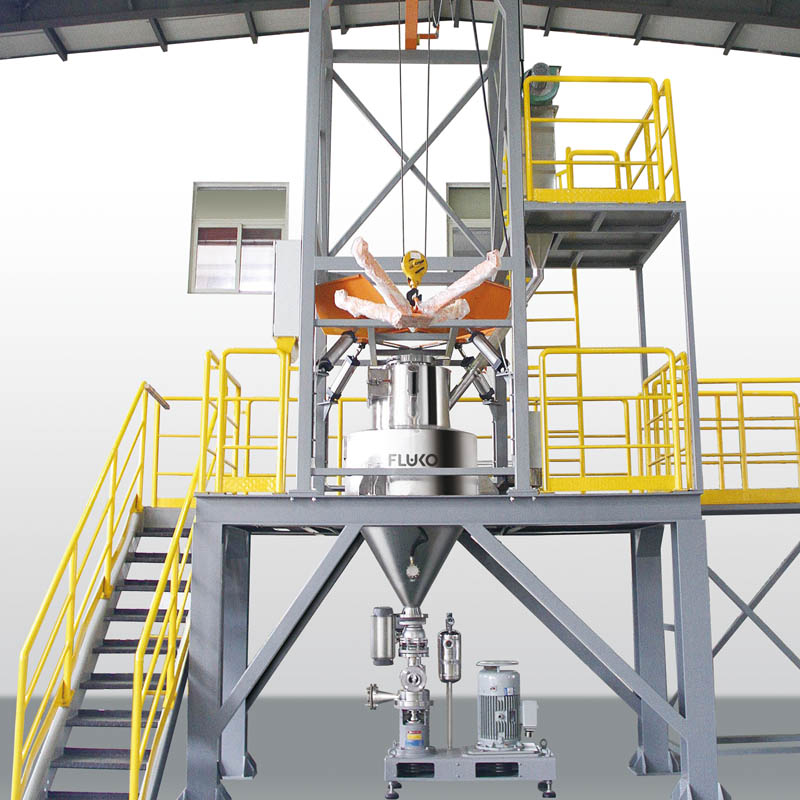
Origins: From Rudimentary Stirring to Purposeful Design
The first machines were contrivances of wood and iron, direct of purpose yet crude in control. Over the decades artisans introduced sealing, improved bearings, and refined impeller profiles. Each change answered a specific shortcoming: leakages cured by better glands; inconsistent dispersion remedied by refined rotor geometry. This history explains why modern design debates pivot on repeatability and cleanability rather than mere torque.
Technical Inflection Points and Evidence of Practice
Three developments mark the arc: intensified shear control, hygienic materials and surfaces, and digital process governance. Practical exposure at exhibitions such as Pittcon confirms that manufacturers now prioritise systems that give measurable particle-size control while meeting sanitary codes. Observed trials and vendor specifications show how homogenizer equipment has become a reference technology for emulsification and cell disruption, and that adoption is grounded in repeatable test methods and quantifiable outputs.
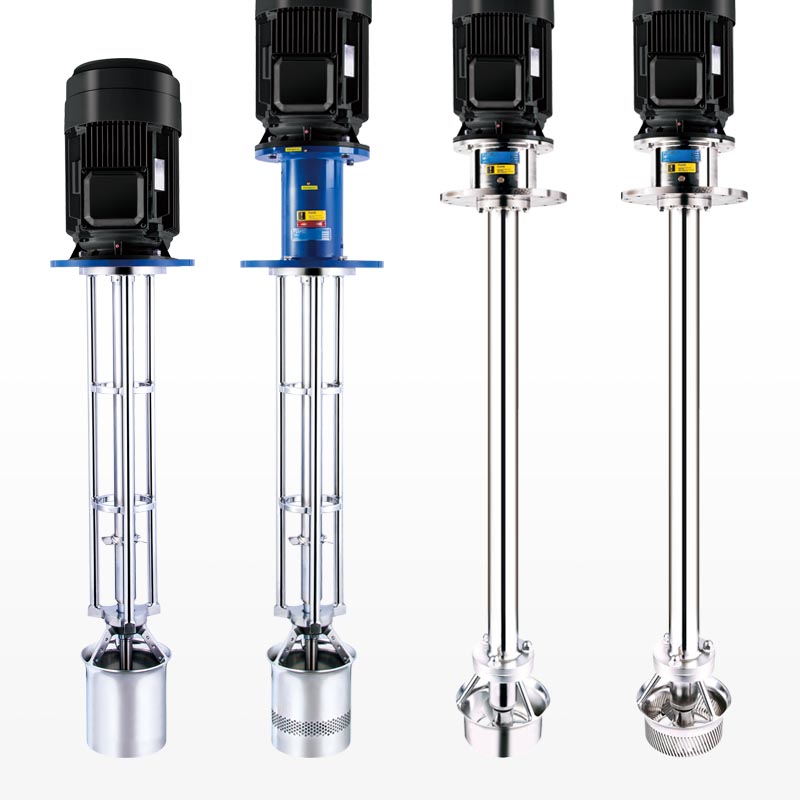
Market Trends Governing Product Development Priorities
Buyers demand predictable scale-up: a bench-top result must be reproducible in production. Designers answer with modular rotor-stator assemblies, validated seals, and instrumentation that records shear and temperature. Energy concerns force tighter tolerances and better motor control. Ease of cleaning dictates surface finishes and access. These priorities are not abstract; they reduce batch failures, shorten qualification time, and permit clearer regulatory submissions.
Alternatives, Trade-offs, and Common Mistakes
One may choose static mixers, ultrasonic homogenisers, or traditional agitators instead of a high-shear solution. Each offers trade-offs: static mixers are simple but lack tunable shear; ultrasonics provide intense local energy but challenge scale-up; conventional agitators conserve energy but may leave wide particle distributions. Common specification errors include undersizing for viscosity, neglecting clean-in-place access, and assuming lab power draw scales linearly. Correct selection rests on clear targets for particle size, throughput, and cleaning regimes.
Closing Synthesis
The account here places technical choices within a lineage: past fixes illuminate present demands and point to where makers must focus—control, sanitation, and verifiable scale-up. That lineage explains why companies that attend to materials, instrumentation, and repeatable shear performance confer tangible benefits upon operators who require consistent results, as exemplified by FLUKO.