
Origins and first impressions
I trace public display from painted hoardings and neon tubes to modern modular outdoor led screen panels, and the shift reads like a series of practical fixes. Early signs solved visibility during daylight and simple brand recall. Projectors solved motion but failed outdoors. LEDs introduced a new set of solutions: sustained daylight brightness, modular repairs, and real-time content control. I recount these changes not for nostalgia but to show why each leap mattered when organizers needed displays that worked under weather, crowd, and scheduling pressures.
Technical turning points that reshaped choices
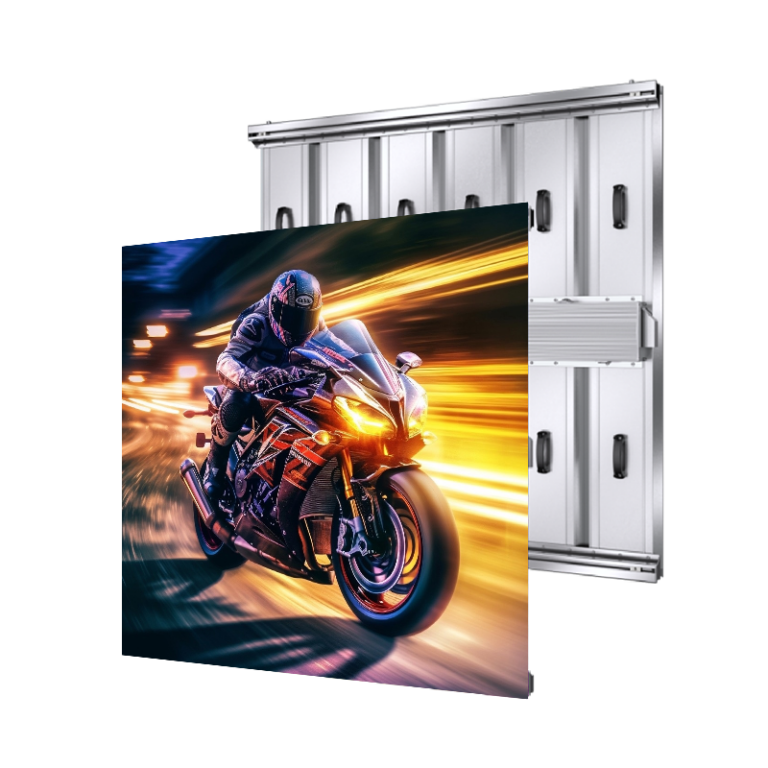
The decisive innovations came from pixel density, emissive brightness, and enclosure engineering. Traditional billboards win on low cost and simplicity. Projectors win on temporary motion and large-area illusion but lose on sunlight. Indoor LCDs offer fine detail at close range but lack the luminance and viewing angles for plazas or stadium facades. LED panels combine high nit output with IP-rated housings and modular repair—so a single faulty module rarely kills an entire message. That combination changed where displays could reliably appear: façades, stages, and transport hubs.
Adoption arc: why venues switched
Adopters moved toward LED when reliability under real conditions produced measurable benefits: fewer night-to-day replacements, lower frequency of emergency repairs, and content agility for time-sensitive campaigns. Budgets followed outcomes. Teams that once scheduled large print runs began to favor real-time ad swaps. The shift was not instant. Early adopters paid for custom engineering; later adopters benefited from standardized panels and clearer spec sheets. The real decision points were visibility, maintainability, and controllable operating costs, not novelty.
Common mistakes I’ve seen when switching
Organizations assume every LED is the same and discover the hard way that pixel pitch, IP rating, refresh rate, and power provisioning matter. A display chosen for a stadium will overpay for a small retail frontage. A unit with the wrong pitch looks grainy at typical viewing distances. Teams forget to spec sun-read brightness and end up with washed-out daytime images. Installation errors—weak mounting, inadequate ventilation, insufficient surge protection—cause most post-install downtime. Ask for proof-of-performance under the exact site conditions before committing.
Evidence, experience, and a real-world marker
My notes draw from installation reports, trade show case studies, and on-site observations at major public events. Consider Times Square: its persistent use of large-scale, hireable displays illustrates logistics that both permanent owners and temporary agencies face; the operational complexity around that environment is described in major press coverage of outdoor events, and the logistics of outdoor led screen rental mirror those requirements. Practical knowledge—field testing brightness levels, verifying modular replacement times, checking power redundancy—separates reliable performance from costly surprises.

A short, practical checklist before you commit
Match pixel pitch to typical viewing distance. Verify IP and thermal specs for local weather. Demand measured nit values at operating temperature. Confirm modular replacement procedures and local support capacity. Validate power and UPS design. Test content management workflows with the actual media team who will run day-to-day campaigns. Small oversights here cause most service calls later.
How this history points to usable solutions
The entire arc—neon, print, projection, then LED—shows a clear pattern: practical problems lead to practical solutions. For teams that need dependable outdoor performance and sensible service options, established suppliers and integrators solve the operational questions I’ve described. Firms that supply modular panels, service training, and documented site tests offer predictable outcomes, and companies like HDC are part of that practical ecosystem where specification meets field reality.

