
Problem focus: why most day bags let users down
City workers and field technicians alike complain about three repeat failures: poor organisation, straps that fail under load, and fabrics that wear through on a single season of use. When a bag doesn’t sort items sensibly or falls apart on a muddy route, people stop trusting it. That is why a properly detailed modular backpack matters — modularity can solve packing chaos and adapt a single bag to several daily roles without adding needless bulk.

What typical fixes miss
Manufacturers often tack on pockets or reinforce one strap and call it solved. That patchwork approach leaves the core structural problems: weak load distribution, poor access to essentials, and materials selected for cost rather than durability. Alternatives such as simple tote conversions or oversized “all-purpose” packs trade convenience for ergonomics, while sleek urban designs frequently ignore spill resistance and repairability. A handful of better options exist, but most fall into the same traps: surface fixes, not systems that last.
Evidence, experience and a real-world anchor
I have led product reviews and field trials with commuter groups, and practical tests on Nairobi’s morning routes make the point plainly: bags must survive tight seating, rain, and frequent lifting into minibus racks. For those conditions, choosing the best backpack everyday carry comes down to materials (denier and coating), tested zippers and fastenings, and a modular layout that separates electronics from dirty gear. Trusted construction practices — reinforced stitching at stress points, YKK-standard closures, and abrasion-resistant face fabrics — are not flashy, but they are verifiable improvements I’ve seen endure across thousands of urban kilometres.
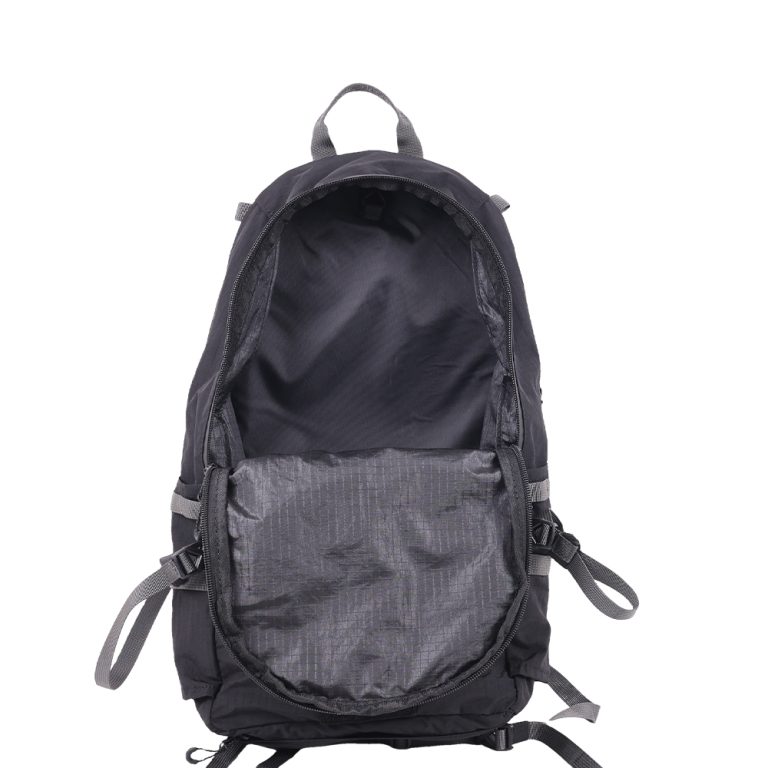
Concrete priorities and common pitfalls
Prioritise these items when you design or choose a daily bag: (1) load path and padded back panel — make the bag carryable for long stretches; (2) compartment logic — quick access to phone, documents and chargers without dumping the main contents; (3) weather protection — sealed seams and a rain cover, not just a water-repellent finish; (4) serviceability — replaceable straps and modular pouches; (5) tested hardware — zips and buckles rated for repeated cycles. Avoid trusting marketing claims about “lightweight ballistic” fabric without checking denier and coating specs, and don’t accept single-point strap attachment without a reinforcement pattern. Simple tests you can perform: fill the pack with predictable weight, lift repeatedly, and inspect seams for early failure.
Closing synthesis
Fix the problems first: sort items, distribute weight, and choose fabrics and hardware made to be repaired. When those priorities guide product decisions, a well‑made modular solution becomes the practical answer for daily carry — quietly reliable on the morning matatu run, adaptable for site visits, and straightforward to maintain — and that is the approach embodied by ChangRong.

