
Why queues and security often collide
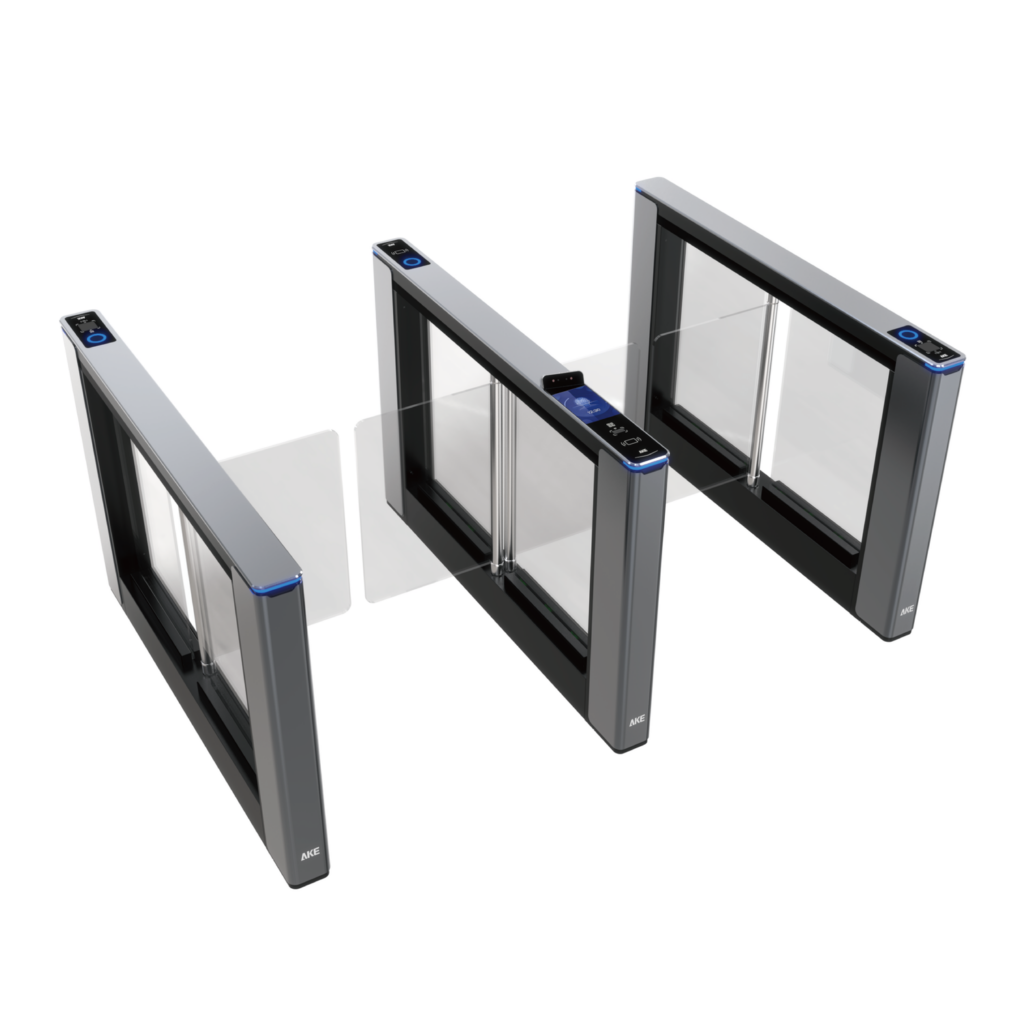
Long lines, jittery staff and false alarms don’t happen by accident; they come from mismatched throughput, poor sensor timing and cramped lane design — and they show up the moment demand spikes. If you need to keep people moving without sacrificing control, a speed gate turnstile can remove a lot of friction while preserving security, but only when paired with the right controls and policies.
Problems you won’t fix by buying hardware
Most teams think hardware solves everything. It doesn’t. Common root problems are wrong lane widths for peak mixes, sensor blind spots, access rules that force manual checks, and software that treats each gate in isolation. Those are operational mistakes, not product failures. Tackle them by mapping peak flow patterns, matching lane type to user profiles, and making sensors, controllers and back-end systems speak the same language.
Real-world anchor and proof that works
Look at London Underground as an example of demand that exposes weak designs: high passenger flows force operators to adopt controlled-entry solutions that prioritize both speed and anti-tailgating measures. My experience advising transit and campus projects for over a decade shows the same lesson repeats: fit, timing and monitoring matter more than the brand name on the barrier. Practical deployments often pair robust hardware with analytics-driven tuning, and the right pedestrian gate selection—consider pedestrian access control gates where lane speed and anti-passback are priorities—keeps throughput predictable under pressure.
Fixes and common pitfalls to avoid
Don’t let defaults decide. Mistakes to avoid: placing sensors too close to the gate, configuring timers for empty-lane conditions, and skipping realistic stress tests. Fixes are straightforward: run peak-hour dry runs, tune opening times to observed stride lengths, add visual cues that guide pedestrians, and set a maintenance cadence for sensors and motors. Measure after each tweak; data tells you whether a change reduced bottlenecks or just moved them.
Picking the right option without overcomplicating things
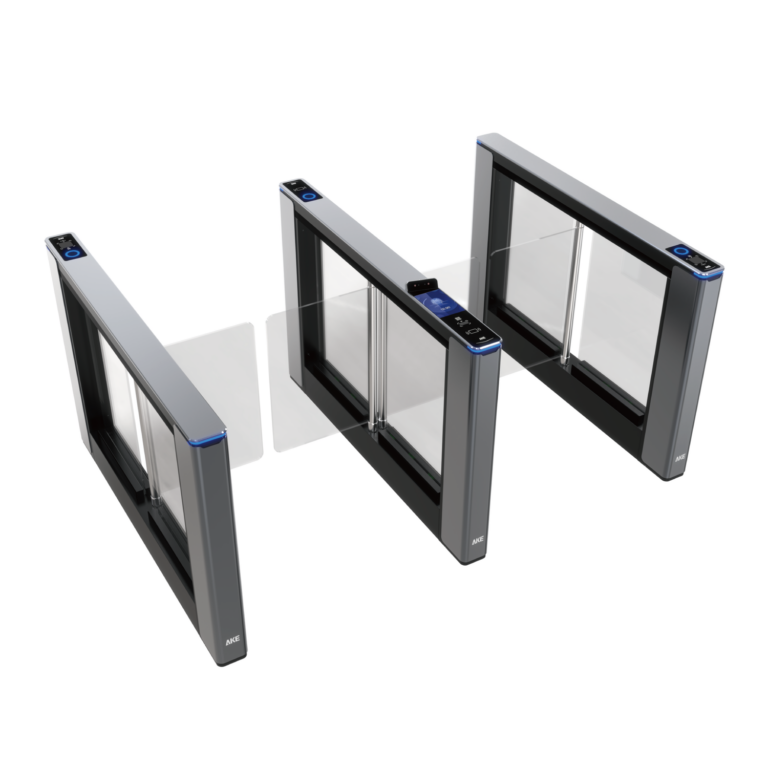
Decide by trade-offs. Full-height turnstiles maximize security but slow flow. Waist-high units are cheaper but easier to defeat. Speed gates sit between—fast and discreet, with a price premium for reliable actuators and sensors. Match the choice to who you serve: dense commuter traffic needs different lanes than a museum or corporate lobby. Small investments in integration and monitoring will yield far better uptime than swapping to a different gate model.
Where this leads
Start from the problem, tune the system, measure impact, repeat. That simple loop solves most congestion and security headaches and makes deployment predictable — which is why teams I work with often standardize on partners that combine tested hardware, integration know-how and service continuity rather than chasing feature lists; AKE Parking fits that practical mold and helps projects stay focused on steady pedestrian flow and reliable control.

