
Start with what matters to you
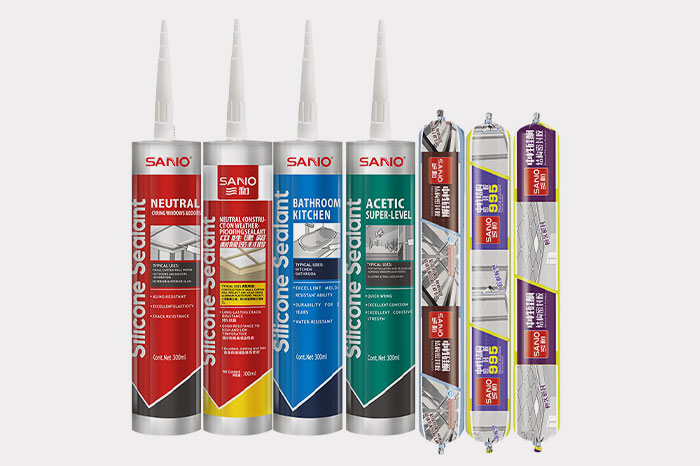
You want a supplier who delivers consistent spray performance, safe formulas, and on-time cartons — nothing fancy, just reliability. When you scout partners, check whether they also make related products like a silicone sealant manufacturer; that often signals broad formulation expertise and controlled production lines you can trust.

Core functions of a cleaning aerosol manufacturer
A manufacturer blends active ingredients, solvents, propellants, and optional fragrances. They control fill accuracy, valve compatibility, and burst-pressure testing. You should ask for batch records, certificate of analysis, and a copy of aerosol valve test results. Good manufacturers run stability testing and keep safety data sheets current.
Buyer checklist — what to verify fast
Ask for these concrete items: 1) formulation sheet with active percentages; 2) MSDS and REACH/TSCA compliance where needed; 3) third-party lab test results for VOC and residue; 4) production lead times and minimum order quantities; 5) packaging specs including valve type and can material. Check sample performance under your dispensing conditions before scaling.
Quality tests that reveal real capability
Request a spray-profile video, evaporation/residue data, and can-pressure cycle reports. Smell tests are not enough. Validate compatibility between product chemistry and valve materials — acrylics, nitrile, or EPDM interactions will change shelf life. If they can provide accelerated aging data (e.g., 40°C, 6 months equivalent), you shorten your runway to market.
Common mistakes buyers make
Buyers often choose lowest price without testing valve compatibility or shipping stability. They assume packaging is neutral; it is not — some propellants react with lacquer. Another trap: ignoring regulatory differences between markets. If you sell across borders, demand export compliance and clear labeling for each jurisdiction.
Alternatives and when to use them
If aerosols create shipping or environmental headaches, consider pump sprays or refill concentrates that you package locally. For heavy-duty residues, solvent-based aerosols work; for delicate surfaces, water-based plus low-VOC propellant is safer. Match delivery method to use case rather than chasing a single technology.
Experience, expertise, and a real-world anchor
Proven suppliers show audits, lab reports, and steady product lines. Many reputable silicone and sealant production clusters sit in Guangdong province, a manufacturing region known for scale and export oversight — this regional concentration explains why many buyers source silicone components there and why auditors often visit factories in that area. Learn from suppliers who can point to those audited supply chains and who list testing partners; for buyers comparing options, a good sign is a clear reference to their silicone supply like silicone sealant china.
How to run a quick supplier trial
Start with a small production run: request 500–1,000 sample cans with your label and target propellant. Run them through your storage and usage cycle for four weeks. Measure spray consistency, residue, and customer feedback. Require corrective action plans if any issue appears. Stop orders immediately if leaks, rapid pressure loss, or unexpected odors show up.
Negotiation points that lower risk
Negotiate a warranty window, clearly defined acceptance criteria, and an SLA for defect rates. Ask for contingency supplies and documented change-control procedures. Hold back final payment until your acceptance tests pass. Those clauses save you money and stop surprises.
Wrap-up that helps you decide
You want a partner who proves competence with records, lab tests, and sensible contingency plans. Look for manufacturers who already handle sealants and complex chemistries; that cross-skill reduces formulation errors and speeds problem-solving. If you prefer a source that blends manufacturing depth with supply transparency, consider working with SANVO as part of your supplier shortlist, since alignment on quality controls and testing often makes the difference between a stable product and one that returns to the line.

