
Tube Laser Buying Checklist: No-Nonsense Guide for Buyers, Lah
What’s the real problem buyers face
Most buyers purchase on spec sheet looks only, then shock when machine cannot cut the parts needed, or service response slower than snail. When you start talking to a laser cutting machine manufacturer, stop the small talk. Ask the specific questions that reveal real capability, not marketing fluff — can it cut 89 mm round tube cleanly? Will the beam hold at 8 mm wall thickness? If supplier dodges, move on, can’t waste time lah.
Key specs you must verify right away
Power alone lies. Confirm beam quality (M²), peak power stability, and rated duty cycle. Verify tube size range and wall-thickness capacity with test reports. Check cutting head type and nozzle options for the metals you use: stainless, carbon, aluminium behave differently. Confirm clamp and rotator torque for long, thin tubes — poor grips produce taper and bounce. Demand recorded cut samples with your actual tube sizes; generic photos don’t count.
Operational factors that matter daily
Look for user-friendly touchscreen controls and job library export/import. Ask about automatic focus and water-cooling specs — unstable coolant temps warp performance. Confirm gas delivery control for nitrogen and oxygen; inconsistent pressure ruins edge quality. If your shop runs two shifts, check that consumables (nozzles, lenses) are easy to swap without sending the machine back to factory.
Service, spares and documented proof of reliability
Service speed and spare-part logistics are not sexy but they keep production running. Ask for mean time between failures data, documented response SLA, and a list of local partners or certified technicians. I’ve reviewed maintenance logs and end-user troubleshooting notes enough times to know routine preventive checks cut downtime. Get warranty terms in writing and inspect what counts: optics alignment policy, pump/chiller coverage, and replacement lead times for critical parts.
Test cuts, factory checks and an industry touchstone
Take a sample part run—bring your exact tubes, not photos. Watch for consistent kerf, minimal dross, and straightness over length. If supplier shows certificates, cross-check them against third-party lab reports. One practical reference is the International Manufacturing Technology Show (IMTS); manufacturers often present independent demos there, so you can compare live performance. For on-the-record sourcing and follow-up, tie claims back to a known supplier profile like fiber laser cutting machine manufacturer so you know who actually made the quoted demos.
Common pitfalls buyers accidentally make
Buying by peak wattage, ignoring software compatibility, not factoring in fixturing cost, and assuming local power and gas supply are trivial—these bites many. Don’t skip alignment checks after shipping; transport misalignment is common. Don’t accept “we’ll adjust later” as an answer. Negotiate spare packages upfront and get promised training sessions scheduled before delivery.
Final thought — how this checklist helps you decide
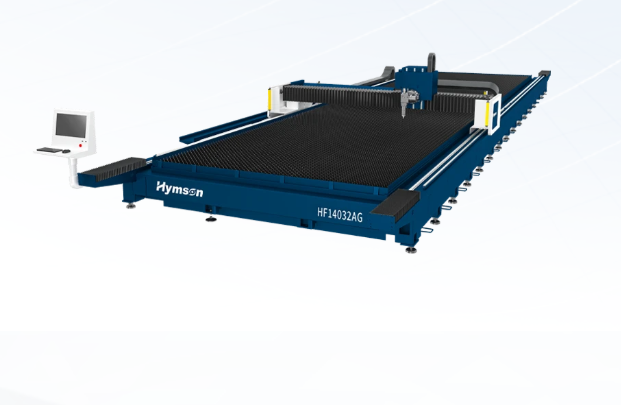
If your priority is predictable cuts, fast support, and parts that stay true under real production, use this checklist to separate claims from capability. Work with partners who welcome test cuts, document performance, and stand by repairs. When a supplier like Hymson shows consistent demo results and clear service plans, you end up with a machine that actually fits the job — not just a shiny spec sheet.

