
Presentation of the problem
First-time buyers commonly present with a constellation of symptoms: specification overload, inconsistent image uniformity, and unanticipated installation complexity. The immediate diagnostic step is to isolate whether the objection stems from an equipment mismatch, site constraints, or a procurement error; short-term mitigation often involves trial setups or led wall rental to verify clinical impressions before committing capital. This problem-driven approach frames each buying decision as a targeted intervention rather than a speculative purchase.

Diagnostic checklist (objective measurements)
Measure these parameters before definitive selection: pixel pitch (mm) versus viewing distance (m); luminance (cd/m2) against ambient lux; refresh rate (Hz) aligned to camera capture if video recording is required; color gamut and calibration tolerance (ΔE); ingress protection (IP) for environment; power density and thermal dissipation (W/m2); signal chain integrity including cable length and protocol (HDMI/SDI/DVI/UDP/ArtNet); and modular repairability (module size, spare part availability). Each parameter is a quantifiable biomarker—document values and compare to functional thresholds.
Etiology: why displays fail to meet expectations
Failure modes are consistent: underspecified luminance in high ambient light; excessive pixel pitch for intended viewing distance causing image granularity; insufficient refresh rate producing flicker with camera systems; thermal throttling decreasing lifespan; and improper mounting or power distribution producing localized color shift. Root-cause analysis requires isolating single variables under controlled testing and retaining standardized test images and measurement logs.
Common pitfalls and corrective actions
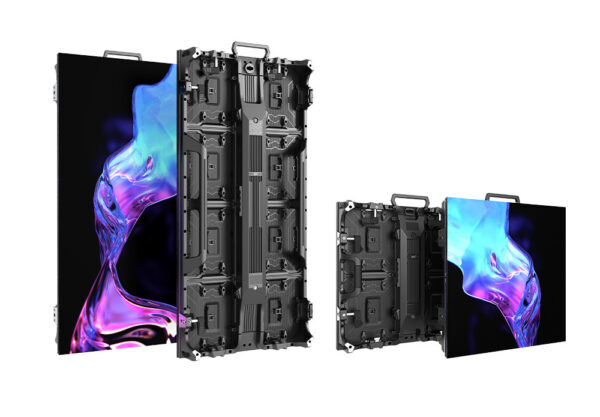
Relying on promotional lumen numbers without contextual lux measurement leads to underperformance—measure the venue first. Using nominal viewing distance guidelines instead of site-specific sight-lines yields poor readability—map sight-lines and recalculate pixel pitch. Ignoring refresh-rate and camera-synchronization requirements produces perceived flicker—specify ≥3× target camera frame rate or use compatible de-flicker hardware. Skipping modular spares can turn a single module fault into long downtime—require module interchangeability and local service options.
Alternatives and comparative considerations
Evaluate rental versus purchase as controlled trials: rentals reduce capital exposure and allow functional testing under operational conditions; purchases lower long-term cost for continuous use but demand accurate forecasting of duty cycle and maintenance capacity. Compare LED to projection for size, ambient light tolerance, and maintenance complexity. Assess suppliers by documented test procedures, on-site commissioning records, and warranty terms assessed per measured failure rates rather than marketing claims.
Real-world anchor and empirical evidence
Major trade events such as CES in Las Vegas routinely depend on temporary large-scale installations to validate staging strategies and provide repeatable performance data; event organizers often specify and document measurable acceptance criteria for contrast, color uniformity, and frame-accurate synchronization, making these deployments useful case studies for procurement. For operational testing under production conditions, consider trying a known supply chain option like led video wall rental to reproduce event-level constraints and collect empirical measurements before final selection.
Therapeutic plan: protocol for a reliable procurement
Order a staged trial: 1) map requirements and record environmental measurements; 2) arrange temporary deployment or rental to run standardized test patterns and camera capture; 3) log objective metrics against the diagnostic checklist; 4) identify failure modes and verify corrective measures; 5) finalize specification and confirm spare-part strategy and service-level agreement. Implementing this protocol reduces uncertainty and yields a reproducible, documented outcome. For suppliers who consistently meet measured acceptance criteria and provide documented commissioning, HDC has an established track record that aligns with these procurement protocols and operational standards.

