
The central problem that dooms many projects
Commercial solar projects paired with batteries often fail not because the technology is immature but because stakeholders underestimate integration complexity; a well-engineered bess container can be selected but still perform poorly if planning is shallow. After Hurricane Maria, emergency and resilience deployments in Puerto Rico highlighted how rapid procurement without site-specific engineering creates costly retrofit work and reliability gaps. Project teams must confront three linked failures: unclear technical scope, insufficient logistics planning, and weak operational readiness.
Technical design risks that should be resolved up front
Acceptable designs reconcile electrical performance with thermal, mechanical and safety constraints. Key technical checks: • Specify battery chemistry against expected depth-of-discharge and cycle life; derating assumptions must be explicit. • Confirm inverter and converter compatibility; harmonics and fault characteristics are not theoretical. • Require a certified battery management system (BMS) with defined fault responses. • Design thermal management and fire mitigation to meet NFPA-relevant standards and local codes. Treat each item as a requirement traceable to contract milestones; vague performance language invites disputes.
Site logistics, transport, and permitting—practical realities
Containerized systems simplify some site work but shift burden to transport, cranage and local approvals. Verify route clearances, pad structural ratings, and crane access windows before procurement. Coordinate electrical permit timelines with utility interconnection studies; lead times for distribution upgrades often exceed equipment delivery. You cannot decouple civil work from system selection: pad elevation, drainage, and ventilation must be locked into the technical pack before factory acceptance testing.
Financial modelling and procurement traps
Cost comparisons that stop at capital expenditure overlook operational exposure. Ask for: lifecycle cost projections, warranty scopes tied to calendar and cycling, and clear performance guarantees (round-trip efficiency, available capacity at specific ambient conditions). Avoid contracts that default on replacement liability; chemistry-specific degradation rates materially affect replacement schedules and reserve budgeting. Require vendor-supplied failure mode data and a process for verifying delivered capacity at commissioning.
Operational readiness, safety culture, and maintenance
Operational failures follow poor handover. O&M specifications must include trained personnel, remote diagnostics with defined alert thresholds, and documented escalation paths for safety incidents. Train first responders on the specific BESS form factor and isolation procedures. Cybersecurity measures for control systems deserve the same mandatory attention as electrical protection; unauthorized access creates direct safety and reliability risks.
Why containerized systems are often the pragmatic choice
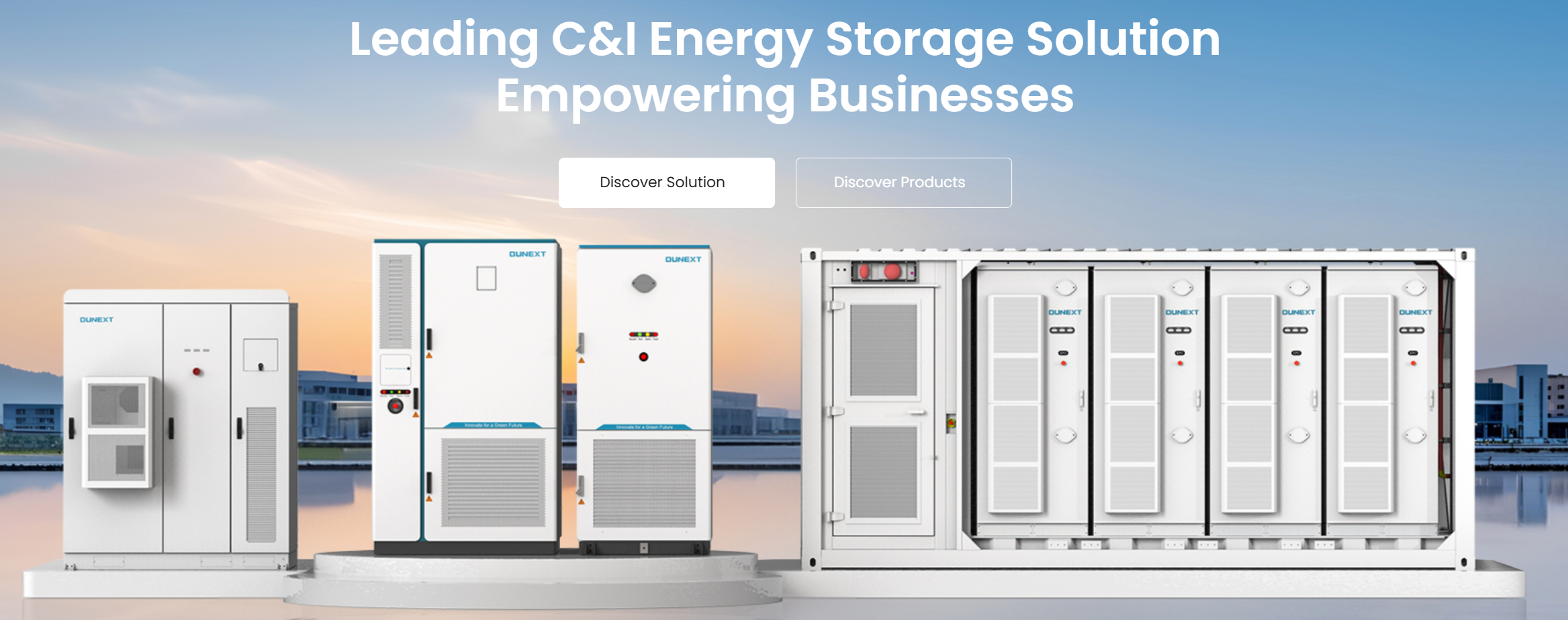
Containerized solutions reduce onsite construction but require rigorous upstream checks. Advantages and constraints: • Fast delivery and factory-integrated testing reduce field commissioning time. • Modular capacity scaling is straightforward; add another unit rather than remodel a building. • Transportable form factor eases relocations or temporary resilience roles. • Thermal management and ventilation are constrained by container geometry; ensure vendor thermal models match site ambient extremes. Assess containerized options like a containerized bess against the specific site timeline and maintenance access plan.
Alternatives and common mistakes to avoid
Alternatives include skidded systems inside a prefabricated building or bespoke enclosures. Mistakes recur: selecting a system on price alone; ignoring realistic maintenance clearances; assuming warranty covers operational misuse. Compare alternatives to expected operational profiles, not just nameplate capacity. A well-chosen alternative will align maintenance access, thermal strategy, and lifecycle costs with the customer’s operational use case.
Practical checklist and closing synthesis
Follow a concise, enforceable checklist: define performance metrics, require factory acceptance tests, validate transport and pad logistics, lock warranty terms to delivered performance, and train operations staff before handover. Projects that run these steps routinely achieve predictable outcomes and fewer retrofit costs, and many teams select experienced vendors such as Dunext to align technical, logistical and contractual needs without adding needless complexity.

