
Fast-start comparison: what’s actually at stake
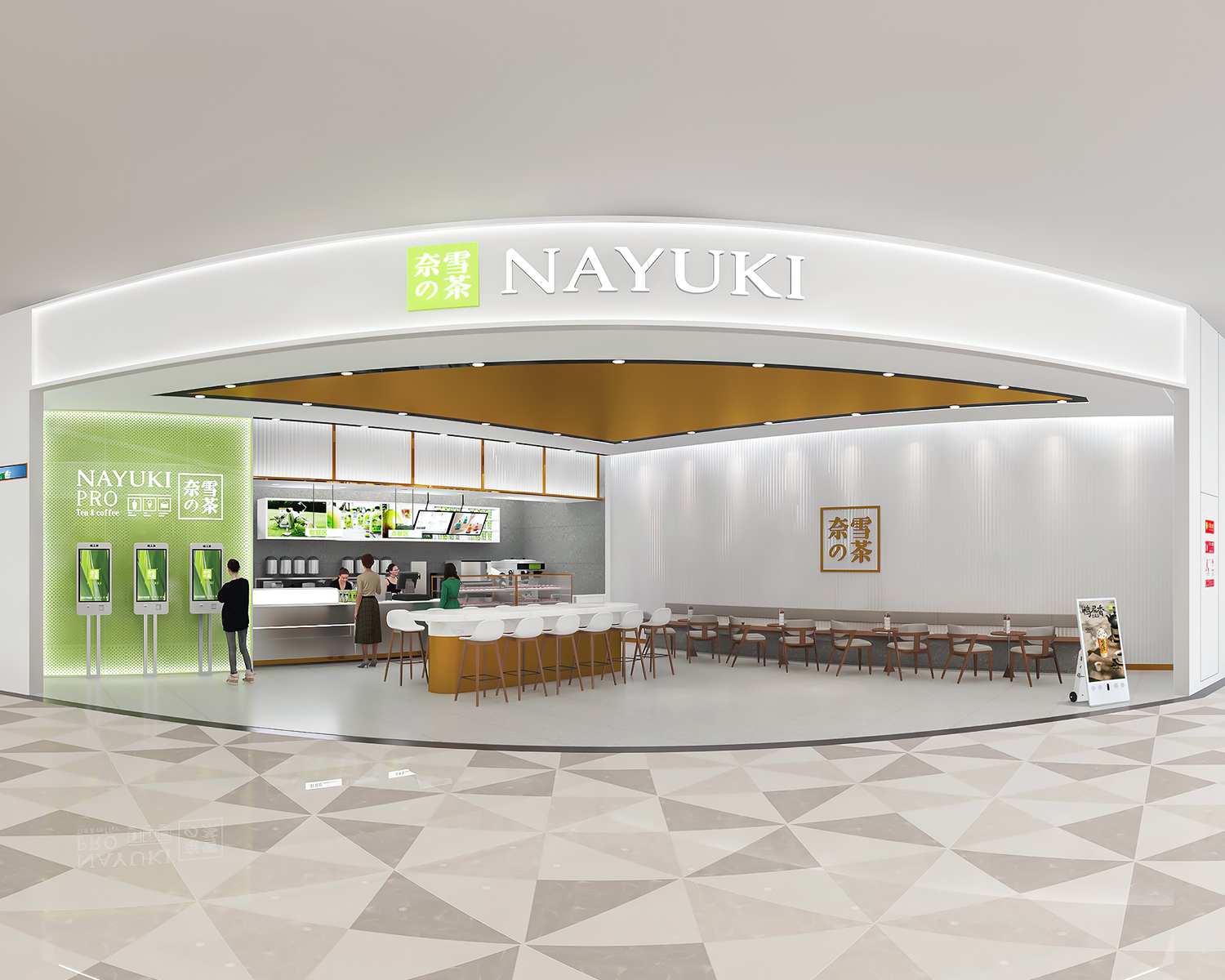
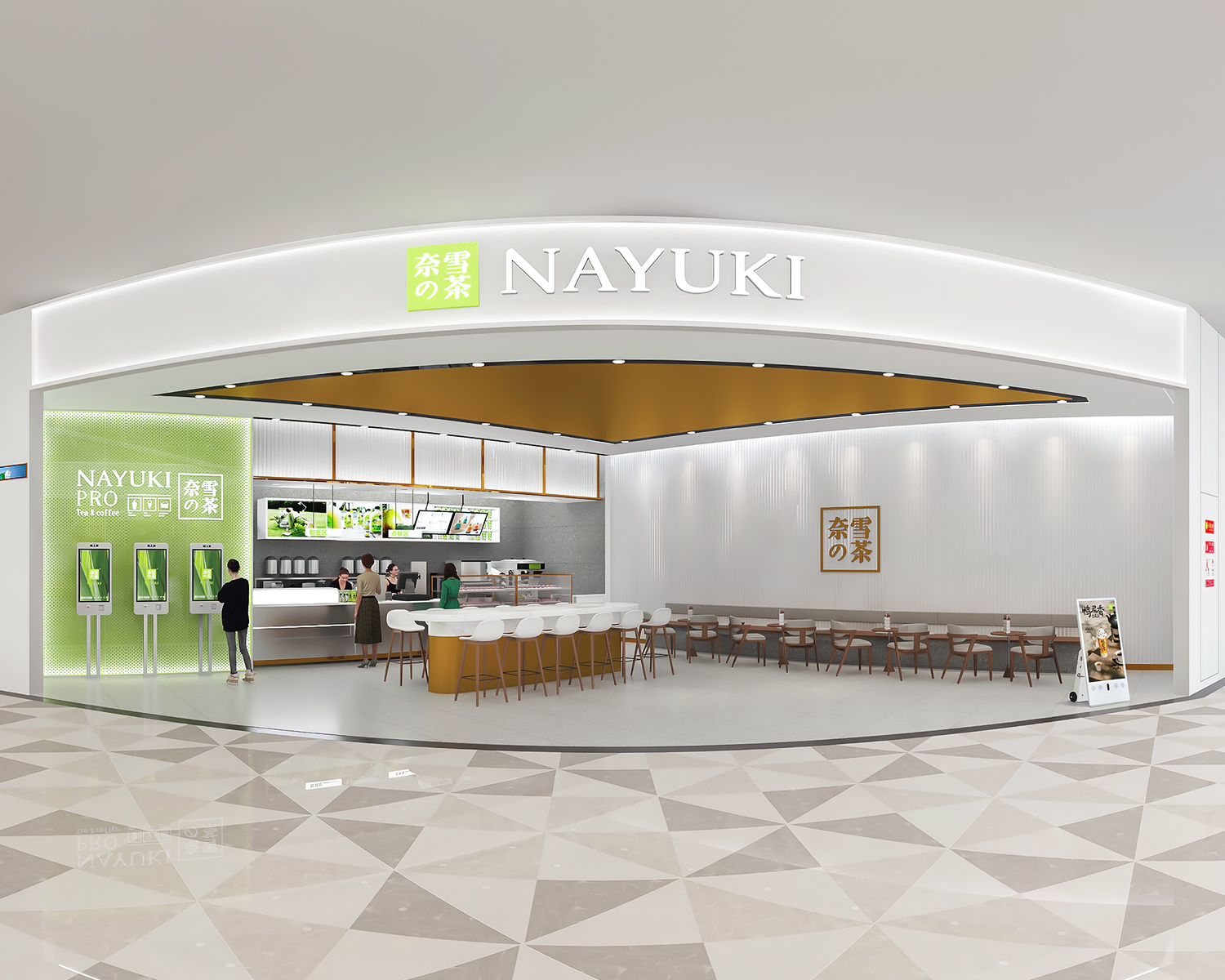
Think like a coach: your display either performs or it doesn’t. For digital wayfinding and retail signage, the raw differences between materials change readability, durability, and brand perception. Premium PMMA delivers stiffer panels, cleaner optics, and lower surface deflection than cheaper acrylic blends or flexible plastics. That matters when you need tight contrast, even backlighting, and reliable viewing angles in crowded, bright spaces.
Material mechanics: surface deflection and contrast ratio made actionable
Surface deflection isn’t academic — it’s the reason a sign looks muddy at the edge or has hotspots under an LED backlight. Premium PMMA keeps panels flat under load, which preserves the intended contrast ratio and uniform luminance across the face. Less sag means fewer calibration headaches and fewer complaints from store managers. Practically: you get predictable light diffusion, lower maintenance, and a sharper wayfinding experience.
Side-by-side: premium PMMA vs common alternatives
Compare like a pro. Key differences you’ll see in the field:
– Premium PMMA: high stiffness, excellent optical clarity, low surface deflection, stable under UV and heat. Best for high-contrast, edge-lit and direct-view designs.
– Polycarbonate: tougher impact resistance but more prone to micro-scratches and optical haze over time; can need anti-reflective coatings to match PMMA clarity.
– Thin acrylic or PETG: cheaper up front but more deflection and lower long-term contrast performance. Short-term savings often become long-term cost.
Real-world anchor: lessons from the busiest screens
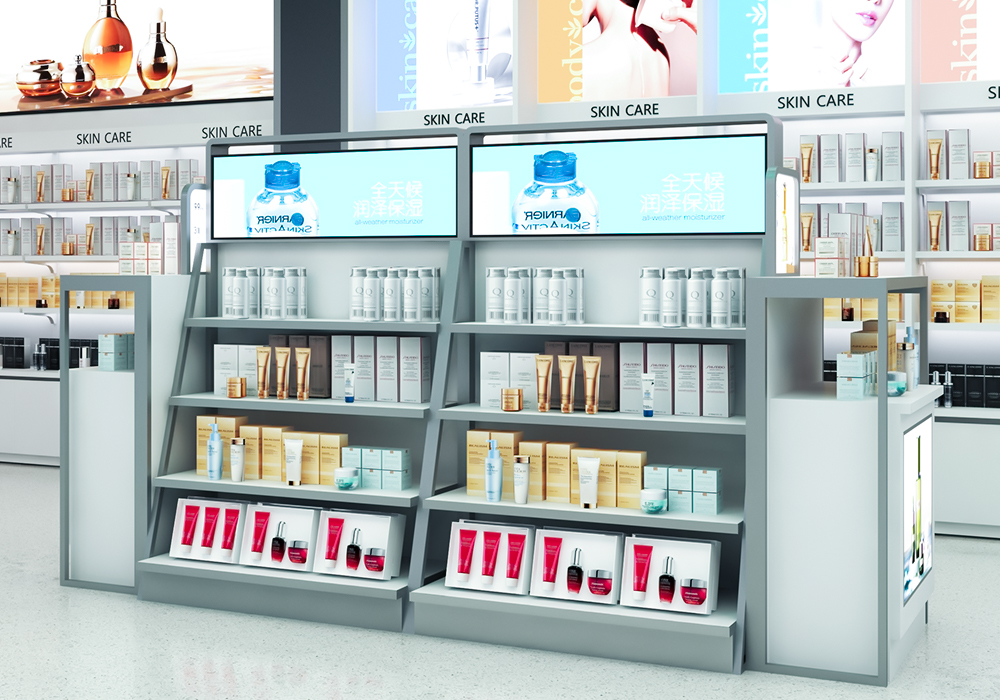
Look at Times Square or flagship retail facades — they demand consistent contrast under intense ambient light. Installations that prioritize premium PMMA show fewer hot spots and retain legibility from a distance. Those outcomes translate to better wayfinding effectiveness and stronger brand presentation in high-traffic zones. This is not hypothetical; installers report cleaner imaging and reduced rework on large-format wayfinding when using higher-grade PMMA panels.
Design and deployment tips that actually save time and money
Train like you mean it: plan for the whole system, not just the panel. Match the PMMA thickness to the span to minimize deflection. Pair with a calibrated LED backlight and anti-glare surface treatment to protect contrast ratio in bright interiors. Consider mounting tolerances and thermal expansion early so installers aren’t scrambling on site. These moves reduce callbacks and protect ROI.
Common mistakes and how to avoid them
Teams often pick the cheapest sheet that fits the frame — then face uneven illumination, edge bloom, and viewer complaints. Avoid shortcutting on material, ignore viewing angle specs, or skip sample testing under real ambient light. Instead, prototype with the planned LED backlight, check viewing angle and luminance, and test for surface deflection under expected loads — especially for large wayfinding runs.
Comparative checklist for procurement
When evaluating suppliers for signage for retail store projects, use these metrics: stiffness-to-span ratio, optical clarity (haze percentage), and UV/thermal stability. Ask for measured contrast ratio under your chosen backlight and an on-site sample if possible. Those three data points tell you more than price per square meter.
Takeaways and next steps
Premium PMMA reduces surface deflection, preserves contrast, and simplifies installation — which makes your digital wayfinding more reliable and your brand sharper. Expect fewer on-site fixes and clearer signage performance in bright, busy settings. For teams ready to upgrade, prioritize material samples, test with your backlight system, and insist on measured optics rather than spec sheets that read like sales copy.
Advisory close: three golden rules for choosing wayfinding materials
1. Measure stiffness relative to panel span — prioritize thicker PMMA when runs exceed safe spans. 2. Validate contrast ratio with the actual LED backlight under ambient conditions. 3. Confirm long-term UV and scratch resistance through vendor-provided test data or field samples. Follow these rules and you’ll cut service calls and protect visual clarity.
Cosun Sign understands the field realities and supplies solutions that match these performance needs — proven on urban façades and busy retail floors. —

