
Introduction
Have you ever watched a finished batch of turned parts stack up — then felt a silent knot of loss as scrap and rework quietly ate margin? For turret lathe manufacturers, that scene is common: shops report scrap rates of 5–12% on complex runs and downtime that chips away at promised delivery dates. I have seen it myself on the shop floor, where a mis-set collet chuck or a slow CNC servo response turns a good plan into a frantic recovery (you know the smell of coolant and burnt machining chips). So, where do we start when simple tweaks no longer stop the bleeding? This short piece moves from a human scenario to measured data, and then asks the practical question: what deeper flaws are masking the real problem—process or machine? Let us walk into that question together, softly and directly, and then move toward fixes that actually hold up under production stress.
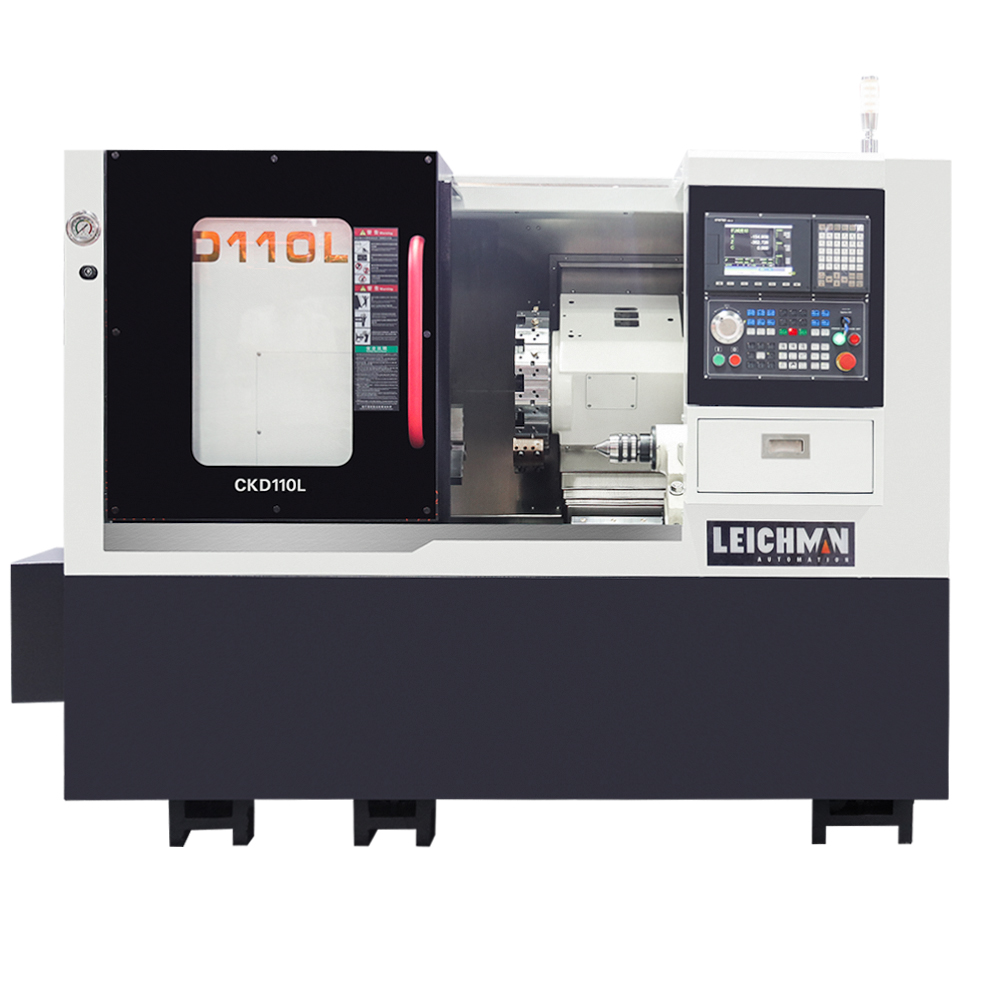
Part 2 — Why Traditional Fixes Often Fall Short
Why do old fixes fail?
I like to begin by defining the machine we talk about: the vertical turret lathe machine is meant to accept heavy, asymmetric workpieces and deliver repeatable faces, bores, and tapers with a robust clamping system and reliable turret indexing. Yet, in practice, shops rely on a series of band-aid solutions — faster feeds, tighter tolerances, or more frequent tool changes — and miss the root. Technically, the main issues are misaligned spindle torque, worn tool turret bearings, and insufficient feedback from servo drives. These are not glamorous. They are plain, mechanical, and they compound over time. From where I sit, the old habit of blaming operators feels lazy; the real fault is often in system design and maintenance strategy. Look, it’s simpler than you think: tightening a chuck may reduce vibration for one run, but without proper turret indexing calibration and a routine for checking spindle torque, the gain is temporary. I say this because I’ve seen promising improvements evaporate after the first unattended night shift — funny how that works, right?
Many traditional improvements focus on cycle time. That gives quick wins. But the hidden cost appears later as inconsistent hole size, chatter marks, and unpredictable tool wear. This is where failure modes cluster: inadequate coolant flow, wrong cutting tool geometry, poor servo tuning. Each flaw by itself is manageable. Together, they create a noisy process where quality fluctuates and operators lose trust in the machine. I believe we must shift from putting out fires to diagnosing the combustion pattern. That means measuring turret indexing repeatability, logging spindle torque curves, and tracking tool turret behavior across shifts. These steps are mildly technical but terribly effective; they reveal true failure modes rather than hiding them behind temporary speed-ups. — you bet, it changes how you plan preventive work.
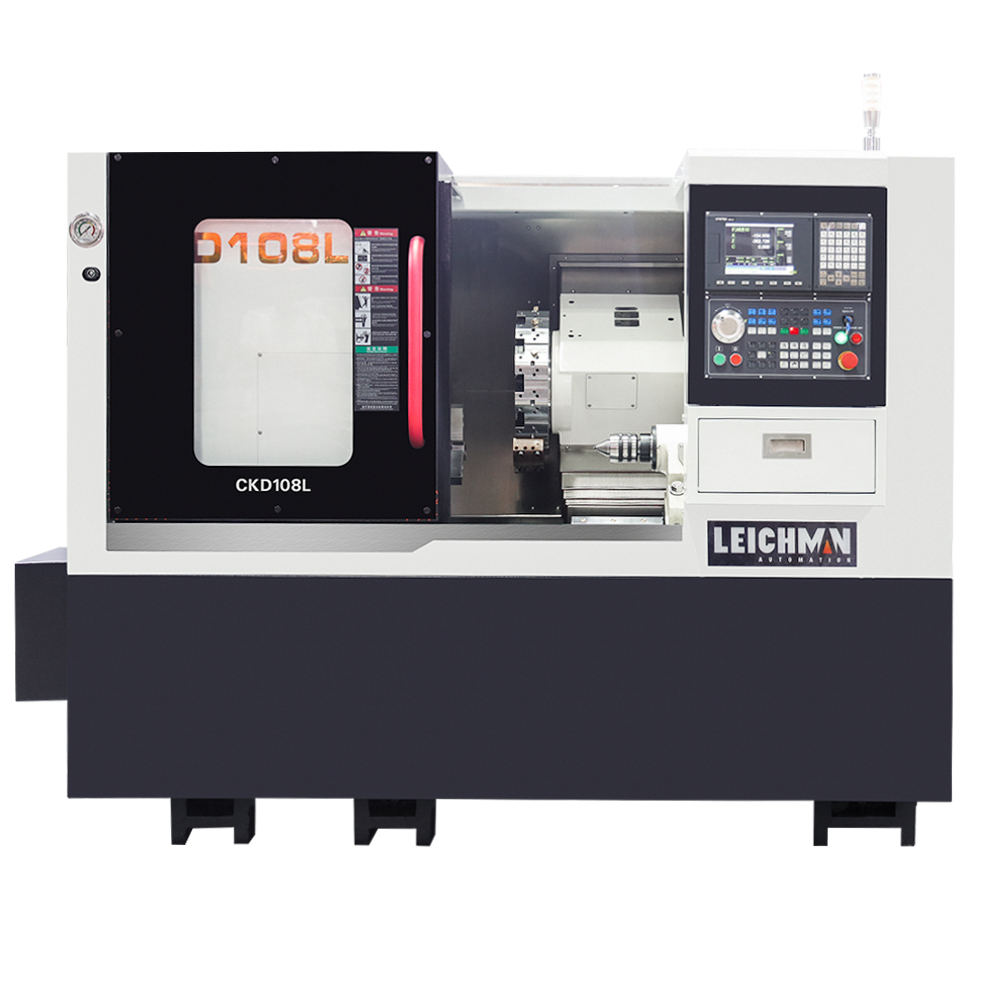
Part 3 — Principles for New Technology and Practical Next Steps
What’s Next?
Moving forward, I favor principles over buzzwords. New technology helps when it supports clear principles: closed-loop control, predictive maintenance, and better sensor placement. For vertical turret lathe manufacturers, that translates into fitted torque sensors on spindles, smart encoders on the turret, and simple edge processing to flag anomalies before a batch goes bad. We are not chasing novelty; we are applying measured upgrades that give immediate diagnostic value. I’ve worked with teams who added basic vibration sensors and gained weeks of uninterrupted runs. A small investment in data gives us early warnings on bearing wear, tool chatter, and clamping slippage. These are real savings, tangible in scrap reduction and happier shop teams.
To choose a path, consider three evaluation metrics I use when advising shops: 1) Diagnostic clarity — does the upgrade tell you what failed or merely that something went wrong? 2) Mean-time-to-recover (MTTR) reduction — can you get back to production within a single shift? 3) ROI window — does the investment pay back within 6–18 months for your volume? Assessments that ignore these metrics often lead to shiny systems that collect data but do not change outcomes. I recommend piloting small: add a torque sensor and a turret encoder to one line, learn from a month of data, then scale. That way you avoid big surprises and build confidence across teams. In closing, I want to say: we can make these machines kinder to operators and kinder to margins. I believe steady, honest steps beat flashy promises. For concrete solutions and a partner with experience in turret systems, see Leichman.

