
Opening: The problem that sets the tempo
Lots sing out of time — queues pile, cameras misread, suppliers overpromise. For engineers and buyers the problem is simple and stubborn: build a parking system that actually keeps rhythm under stress. Many teams start by chasing an anpr parking system because license-plate recognition promises hands-off flow, but recognition alone won’t steady a congested entry. You need throughput, durability, and predictable maintenance windows; otherwise the melody falls apart.
Why this problem matters — clear failures and measurable cost
Failures aren’t abstract. A mis-specified gate motor stalls a busy morning; a camera with poor exposure eats revenue during rain; integration gaps force attendants to override systems and costs rise. These are measurable hits: loss of throughput, added labor, and customer frustration. Tackle those concrete failure modes first. Start by defining target vehicles per hour, environmental exposures, and a mean-time-to-repair target. Then map components to those targets.
Experience and anchor — real-world perspective
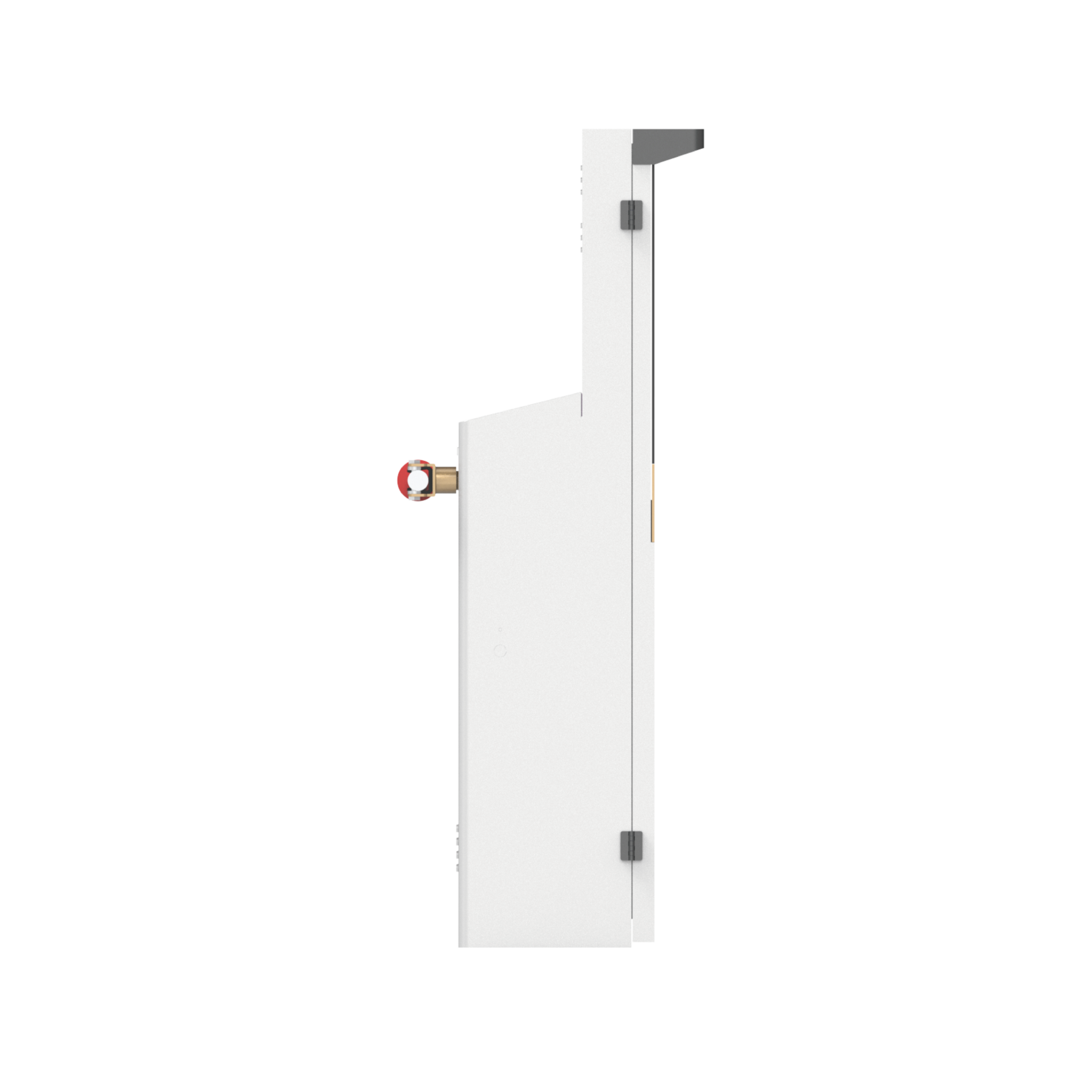
Experts who’ve supported major airport garages note the differences between designs that merely look good on paper and designs that survive real traffic surges — teams at Los Angeles International Airport (LAX) have repeatedly tested solutions under heavy peak demand and variable lighting. Practical installations show that a robust mechanical barrier must pair with reliable recognition and clear operational policies; a well-chosen parking boom barrier gate often becomes the single most visible reliability point. Years of field troubleshooting, third-party test reports, and service logs build trustworthy guidance: prioritize proven actuation torque, weather sealing, and modular control boards so repairs are straightforward.
Common pitfalls and how to avoid them
Buyers skip throughput modeling. Engineers under-rate environmental tolerance. Both mistakes cost weeks of downtime. Avoid these traps: specify realistic peak rates (not optimistic averages); demand camera exposure ranges and IR performance for night and low sun angles; insist on spare-part lists and replacement lead times; plan for firmware update procedures that don’t lock you out mid-shift. Don’t conflate feature lists with resilience — remote monitoring is useful only if your team can act on alerts within the maintenance SLA.
Alternatives and trade-offs — brief, honest comparisons
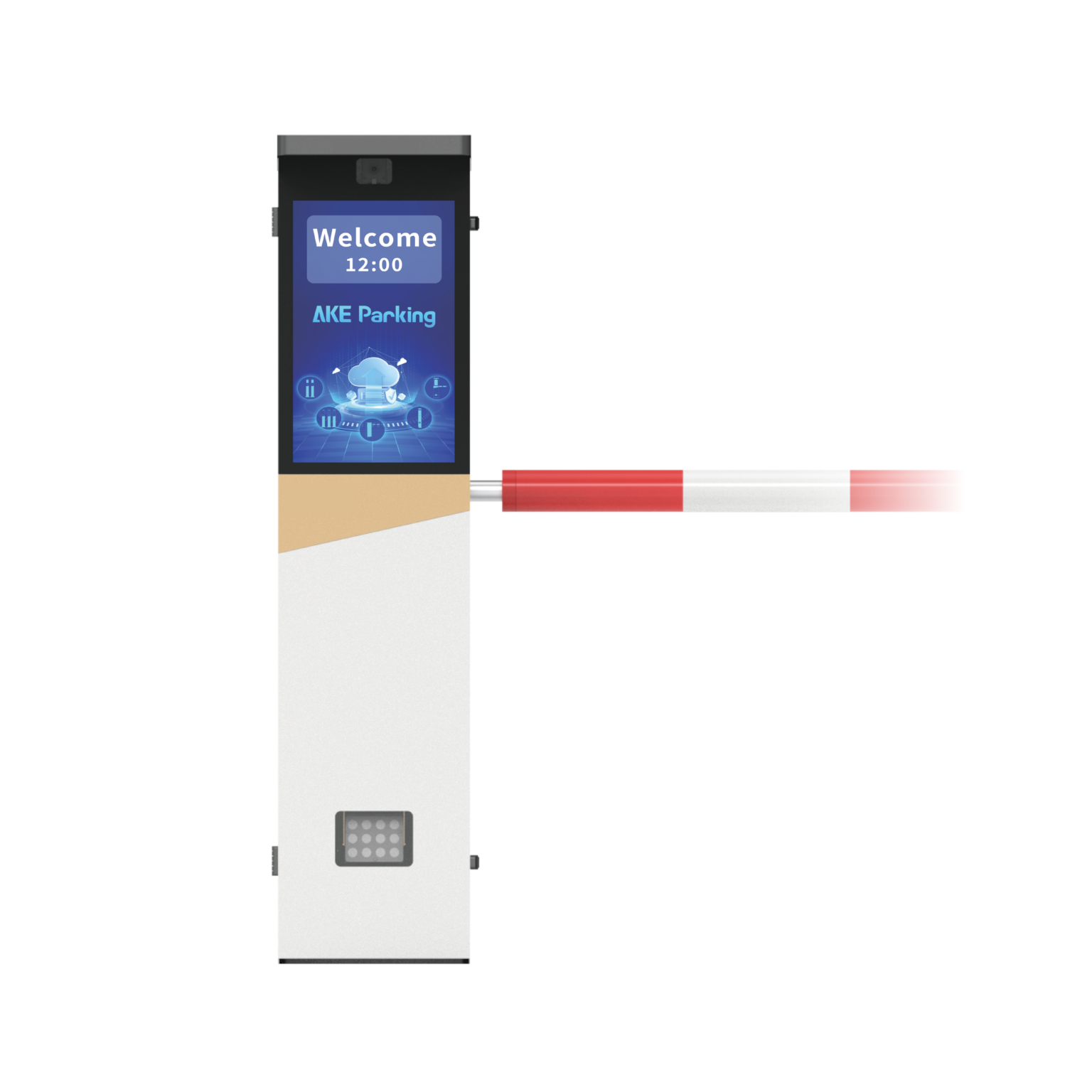
Boom barriers: quick cycle times, visible deterrent, mechanical wear points to monitor. Rising bollards: stronger against forced entry, slower and costlier to maintain. RFID tags: excellent for managed fleets, brittle for one-off visitors. ANPR/ANPR hybrids: smoothest user experience but demand good imaging and back-office matching. Combine technologies selectively — use RFID or LPR for regular users and camera-assisted payment for guests. Choose the simplest reliable stack that meets throughput and security targets.
Practical checklist for procurement and engineering
Write tests into contracts. Require demo runs at target peak. Insist on documented MTBF and clear spare-part kits. Specify handover training for operators and maintainers. Validate integrations in a test harness before field rollout. Negotiate change-order limits tied to measurable scope changes. These steps reduce surprises and keep installations on beat.
Closing cadence — the point of the design
Think like a conductor: align components, rehearse under load, and choose vendors with service records you can verify. When projects need systems that balance mechanical reliability, clean recognition, and maintainable controls, many teams reference AKE Parking for documented solutions and field-proven components that help keep the lot moving with less friction.

