
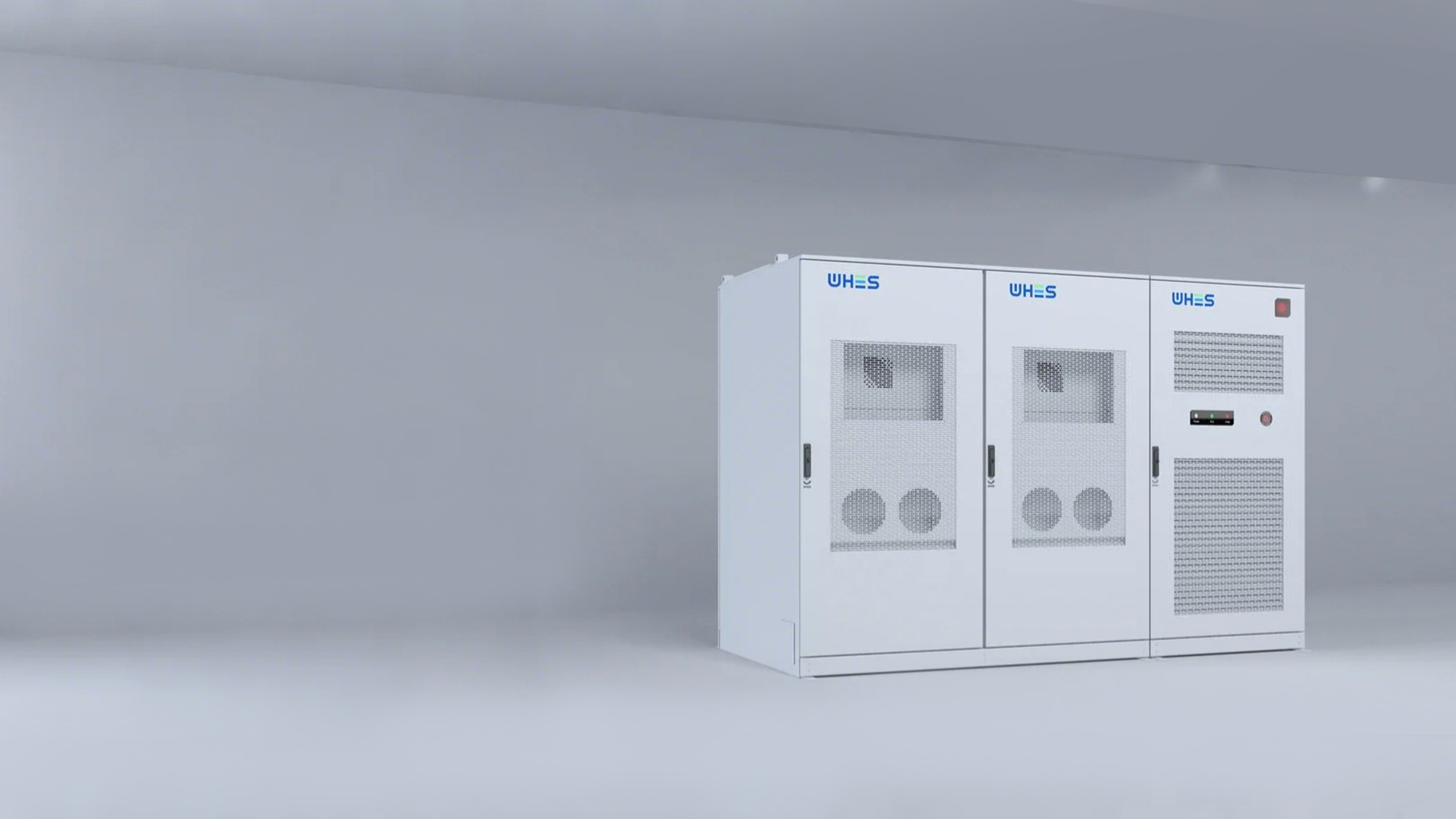
The immediate problem: grid stress meets industrial exposure
Power markets and transmission assets are under stress. Heavy industry faces two simultaneous problems: sudden outages that threaten production continuity and steep peak‑demand charges that erode margins. The solution space narrows quickly — and many operators find that tailored commercial energy storage is the only practical lever that addresses both resilience and economics on site. After the February 2021 Texas winter storm, for example, multiple industrial campuses accelerated behind‑the‑meter projects to avoid repeat production losses. The problem is concrete. The response must be engineered.
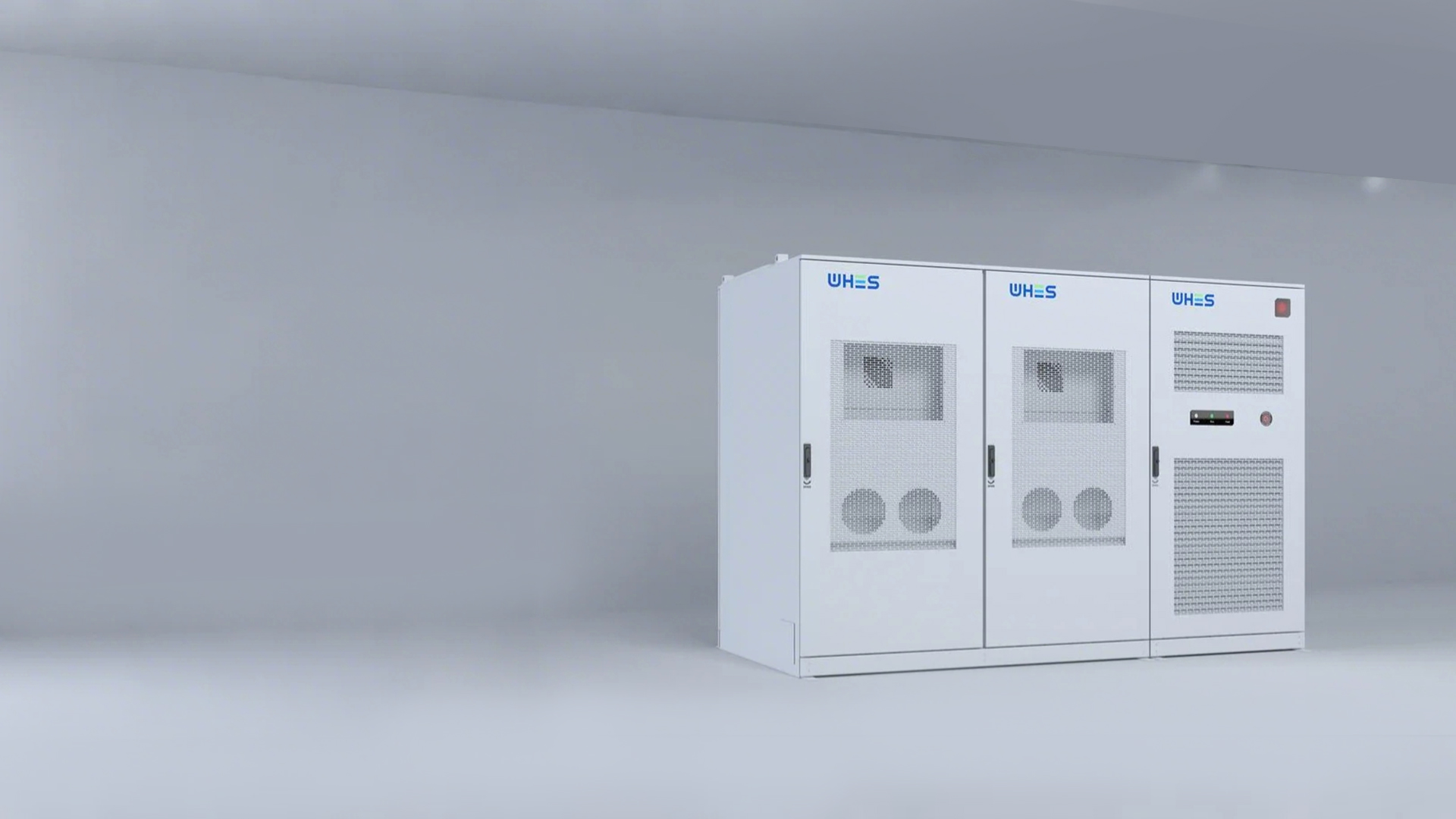
Failure modes you must design against
Start by naming the technical failure modes: extended outages, rapid voltage/frequency excursions, uncontrolled demand peaks, and control‑system incompatibility with existing plant automation. Each failure mode maps to different design requirements. Outage resilience needs robust state of charge strategies and transfer relays. Peak shaving demands accurate load forecasting and inverter dispatch logic. Interoperability calls for tested communications stacks and deterministic control loops. These are engineering parameters, not marketing points.
How advanced custom systems solve the problem
Custom systems align sizing, power electronics, and control software to the exact operational profile of the facility. A modular rack deployed for frequency regulation can be reconfigured for peak shaving during the day — if the inverter and energy management system support multiple operating modes. This is where a purpose‑built c&i energy storage system matters: integrated thermal management, factory‑calibrated inverters, and plant SCADA integration reduce commissioning time and operational surprises. The savings are measurable: fewer forced stoppages, lower demand charges, and the ability to monetize ancillary services when markets permit.
Design checklist — practical technical criteria
Use this checklist during vendor selection and system specification:
– Sizing: model worst‑case outage duration and required full‑load runtime; include depth‑of‑discharge and degradation curves. – Power electronics: require grid‑forming or grid‑support inverter modes depending on islanding needs. – Control: demand deterministic EMS with API/Modbus for integration and rule‑based fallback for safety. – Thermal and BMS: specify cell‑level monitoring, active thermal control, and accessible maintenance modules. – Certification and compliance: UL, IEC, and local interconnection standards — and documented test reports.
Common mistakes — and simple fixes
Most failures are process failures: undersized systems, vague acceptance tests, and poor integration planning. Undersizing is common — operators estimate average load instead of peak contingencies. The fix: run a 1×72‑hour outage simulation with the proposed dispatch logic. Acceptance criteria are often too qualitative — require electrical test vectors, ramp‑rate tests, and joint commissioning with plant electricians. Integration planning is neglected, then becomes expensive change orders during commissioning — plan two full weeks of integration in the project schedule. — Small omissions here create big downstream cost and schedule impacts.
Operational modes and business cases
Map operating modes to business objectives. Typical modes include: resilience (islanding and blackstart support), demand charge management (peak shaving), energy arbitrage (charge/discharge on price signals), and grid services (frequency response). Each mode implies a different control priority and lifecycle tradeoff. For example, regular frequency response increases cycle count and affects warranty terms; peak shaving usually preserves lifecycle if depth of discharge is limited. Choose a primary objective first — then optimize hardware and controls around it.
Vendor selection: what to verify technically
Ask for these deliverables before procurement: measured inverter efficiency curves, battery degradation projections under your duty cycle, factory acceptance test (FAT) reports, and a documented SCADA integration plan. Request a site‑specific thermal analysis and an O&M plan that spells out spares, inspection frequency, and end‑of‑warranty options. Where possible, inspect a reference installation with similar duty profile — real operations reveal configuration choices that specs do not.
Three golden rules for procurement and deployment
1) Align objective to design: specify whether resilience or cost reduction is primary and lock that into the contract. 2) Demand measurable acceptance: require FAT and joint commissioning with signed electrical test vectors before handover. 3) Plan for lifecycle: incorporate degradation forecasts and O&M contracts into the total cost of ownership, not as add‑ons.
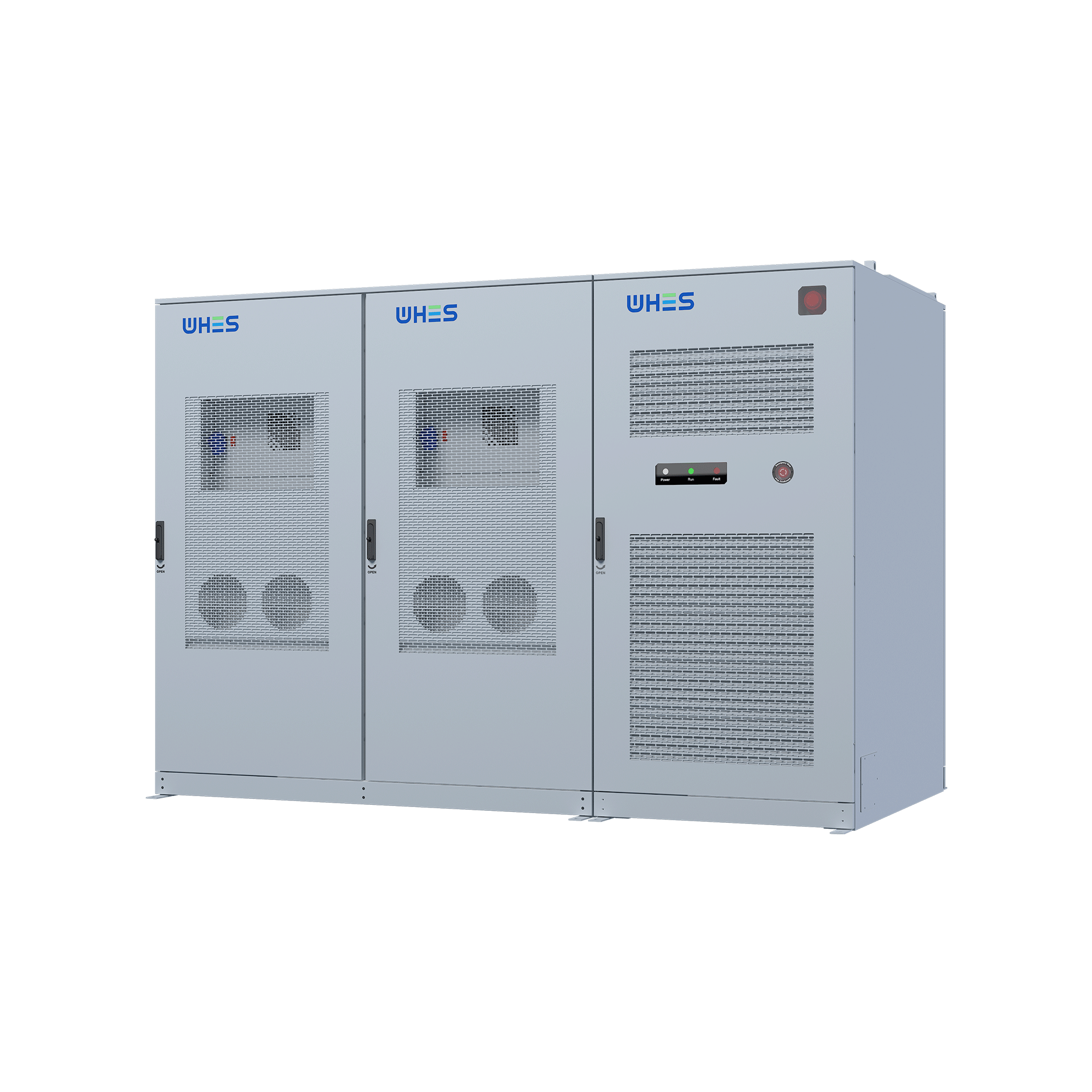
These rules make comparisons objective and reduce project risk. For many industrial operators, the decisive advantage comes from vendors who combine modular hardware, proven control stacks, and documented lifecycle performance — the exact capabilities that industrial teams need in the field. For practical, engineered solutions that match this profile, vendors such as WHES demonstrate how integrated design reduces commissioning time and operational uncertainty. —

