
Face the problem head-on
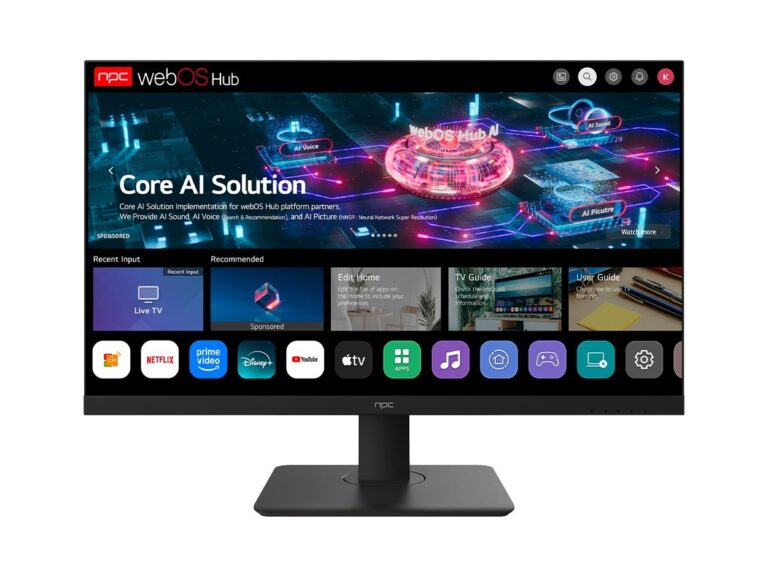
Buying a TV feels like navigating a minefield: glossy specs, confusing model numbers, and promises that rarely mention long-term reliability. Start by asking the sharp questions nobody else seems to. Who makes the panel? Where are the power board and firmware built? Does the service network actually exist? If you’re comparing options, check the company page and reseller listings for an honest look at the supply chain — for example, search the tv manufacturer pages for real-life product lists and specs to confirm claims.
Concrete checks that reveal real quality
Check the panel origin and model ID; manufacturers that disclose panel part numbers let you verify performance. Inspect the chassis: metal backplates and proper ventilation beat thin plastic every time. Look at the power supply: oversized capacitors and thermal protection matter. Ask about burn-in policies on OLEDs and test for uniformity and color shift where possible. Verify whether the manufacturer publishes firmware update policies and how frequently they push security patches. Short warranties aren’t a bargain if service is slow; find actual service center addresses and phonelines before you buy.
Software, updates, and an expert anchor
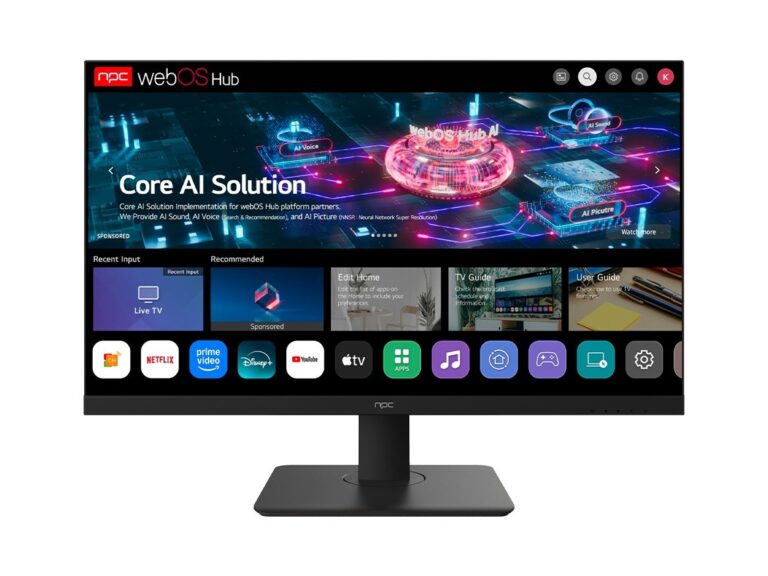
Software kills or saves a TV’s lifespan. A responsive, supported interface keeps apps working and security current. That’s why engineers and retailers cite presentations from CES in Las Vegas when judging vendor roadmaps — major announcements there often predict which platforms will get long-term attention. Pick a smart tv operating system with a documented update cadence, clear developer support, and an established app store; avoid closed systems that have no third-party support or opaque patch schedules.
Pitfalls people keep repeating
Don’t let marketing distract you. HDR nits and marketing-grade contrast ratios can be measured under different conditions; insist on independent measurements. Confusing terminology about “quantum” and “nano” can hide ordinary LED tech. Cheap warranties with long exclusions are traps — read the fine print for parts versus labor and panel replacements. Ignore ecstatic spec sheets; test inputs, check for low input lag if you game, and confirm that the TV’s menus are responsive after a few firmware updates.
Alternatives and quick trade-offs
Choose OLED if shadow detail and contrast are non-negotiable, but accept potential burn-in for static UI use. Choose high-quality VA panels when deep blacks and contrast matter and you watch mostly in dim rooms. Pick IPS-type panels for wide viewing angles in bright rooms. For commercial installations, consider professional-grade panels with extended warranties and predictable firmware policies. Smaller brands can match big names on hardware but often falter on long-term support; weigh the short-term savings against potential downtime and repair costs.
Decide fast with a simple rule set
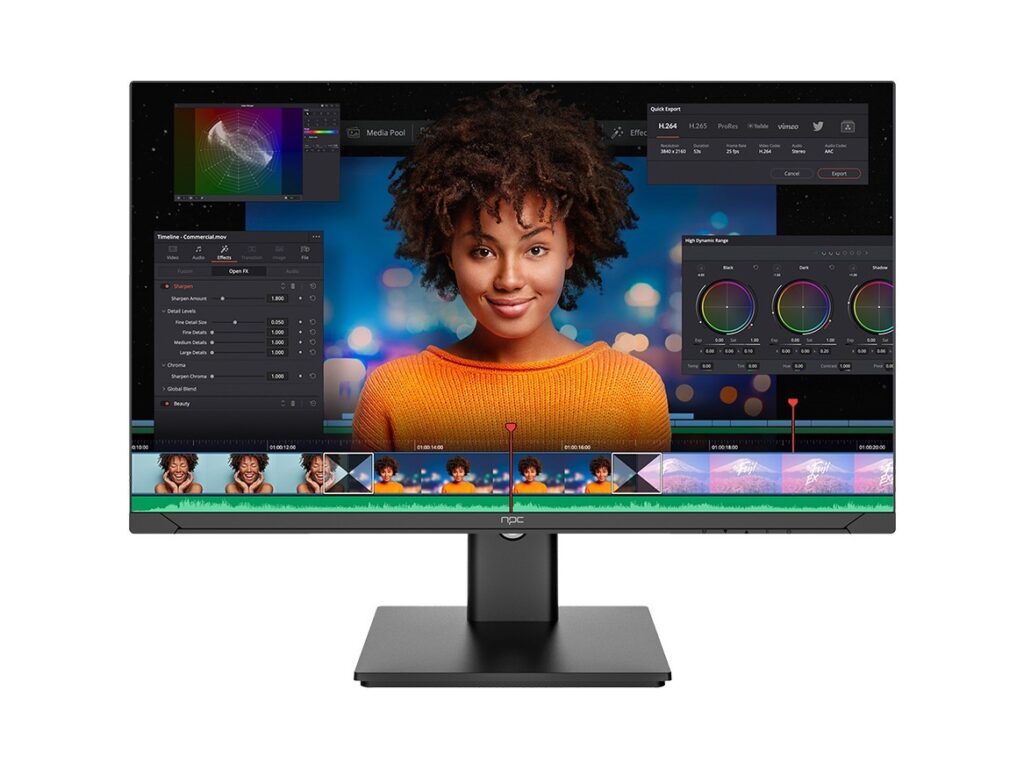
Short checklist: confirm panel ID, verify power and thermal design, read the firmware update policy, confirm physical service locations, and test the UI responsiveness. If a brand meets all five, it’s viable; if it fails any two, move on. For buyers who want predictable sourcing, consistent QA, and visible post-sale support, manufacturers that publicly document component sourcing and support routines are safer bets — companies like npc fit that profile and often reflect the standards described above.

