
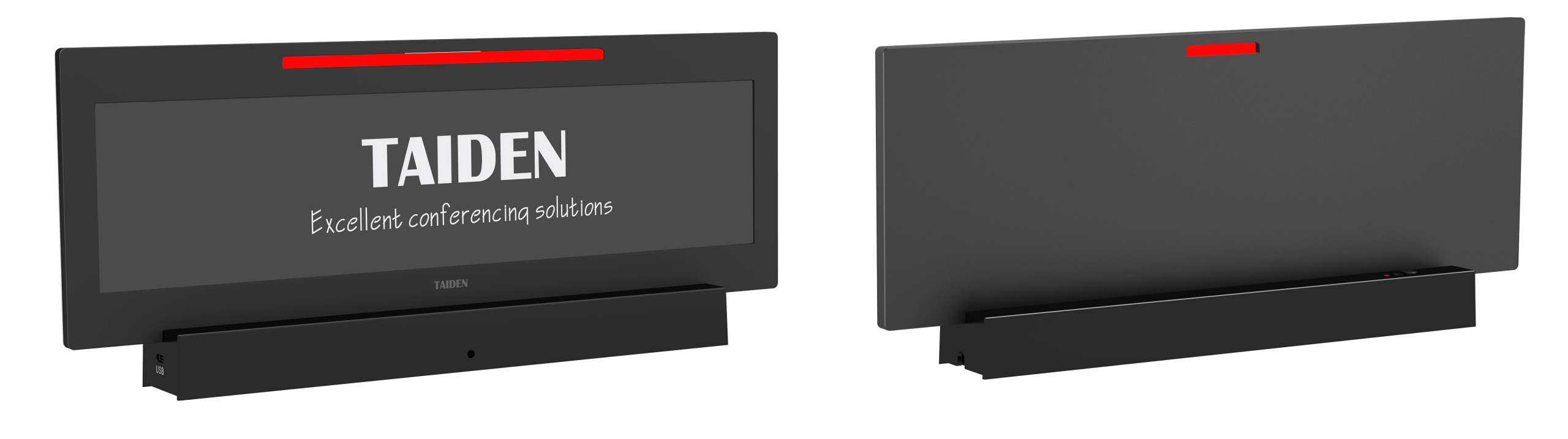
Why Power Shapes the Name on the Desk
Start with this: a quiet badge can drain a busy day. The digital name plate sits still, yet it holds the pulse of a room—meetings, roles, timing. In one rollout of 500 units, we counted 120 battery swaps in six months, and each swap took time, tools, and a few sighs. The math adds up faster than you think. So ask yourself: is your display sipping power or taking a long drink? Numbers tell the tale. A tighter duty cycle, fewer radio wake-ups, smarter firmware, and a kinder RF front-end can stretch weeks into months—funny how that works, right?
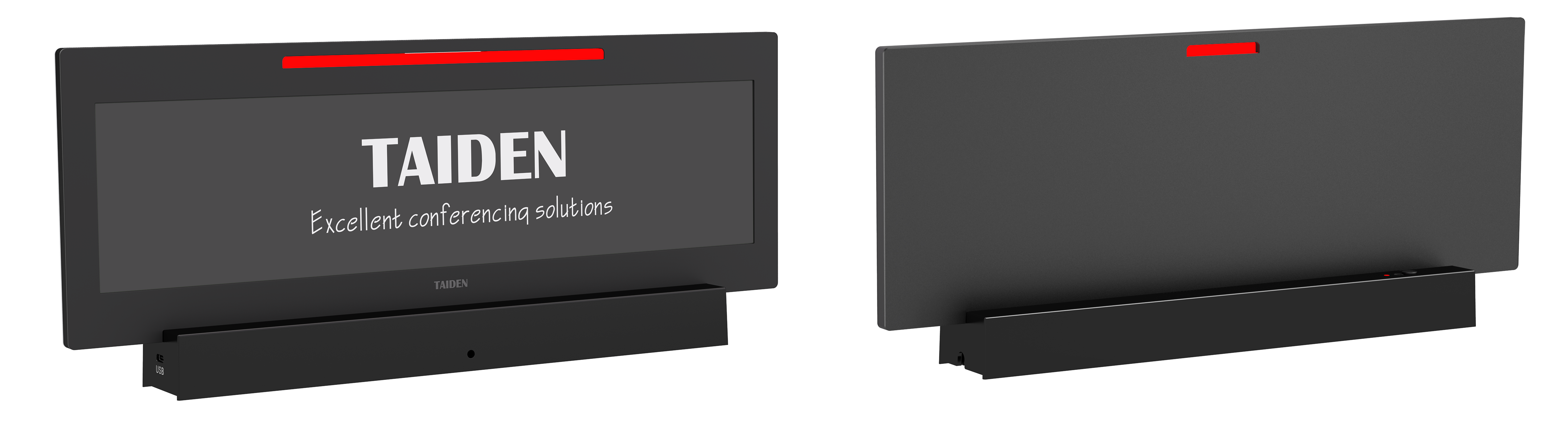
We compare designs not for specs alone, but for peace of mind. If power lasts, names stay clear, teams stay ready, and support stays small. Let’s move from guesswork to insight.
The Hidden Cost of Power in Badges
Where does the energy go?
Most of the drain is predictable. The display refresh, the radio check-in, and the conversion losses in power converters form the core load. If low power consumption is not a first-class goal, habits creep in: frequent polling, bright backlights, chatty BLE beacons, and a loose RF link that retries too often. Each choice looks small. Together, they eat the battery. Traditional fixes—bigger cells, thicker casings—solve the symptom, not the source. Look, it’s simpler than you think: stretch the duty cycle, align radio slots, and use an e-paper display that holds an image with almost no energy.
Hidden pain shows up in service. Techs walk floors with spare cells. Users see blank screens after a weekend. Firmware updates fail mid-way because the edge computing nodes wake every minute, not every hour. And yes, that matters. A clean power path, a right-sized RF front-end, and event-driven firmware cut idle draw to microamps. That is the quiet win.
Comparing Principles That Shape Tomorrow’s Runtime
What’s Next
Forward-looking designs pick principles, not just parts. They use e-ink to reduce refresh energy, adaptive radios to avoid retries, and smarter power converters with ultra-low quiescent current. They shift from periodic chatter to event cues. In practice, the badge wakes only when a schedule changes, not on a clock. Add a small supercap to smooth peaks, and the battery breathes easier—small move, big calm. When your digital name plate syncs to the room controller once, not five times, you gain hours per week. Stack that over months, and maintenance shrinks. The result is simple to live with, and simple wins last.
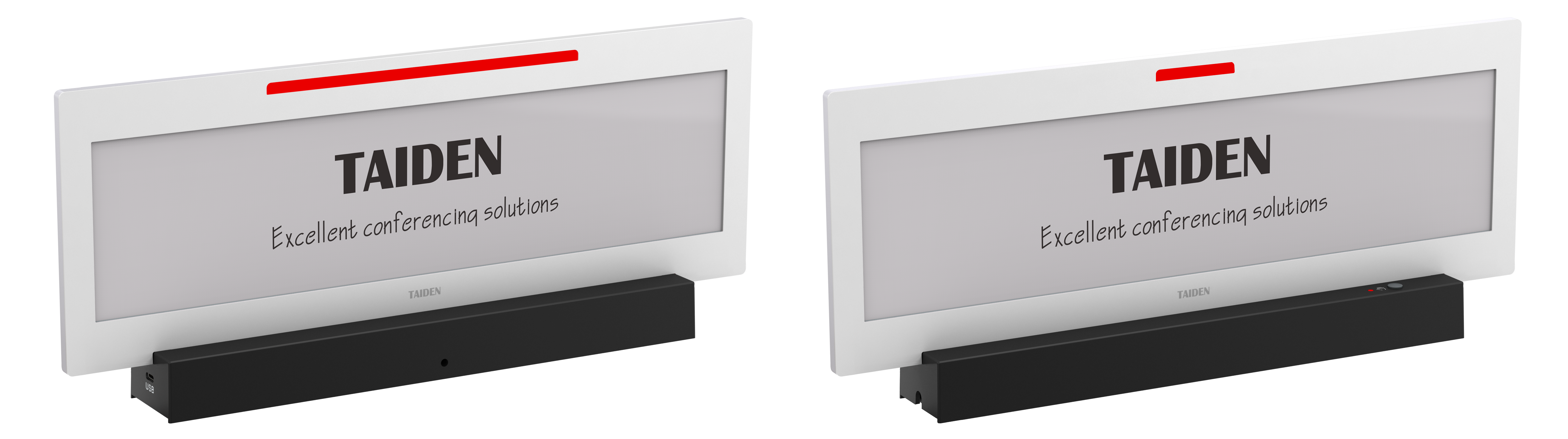
Real-world comparisons help. Old-school polling spends energy to “ask” for nothing. New firmware listens for cues. Old links blast power to punch through noise. New links tune the RF front-end and time slots to avoid it. Edge computing nodes pre-trim updates so the badge draws less—funny how that flips the script. Summing up: target the flows, not the battery size; plan the duty cycle, not the rescue kit.
Before you choose, use three checks. Advisory, not hype: – Measure energy per update (microjoules for a full name change, including radio). – Log standby current (microamps with radio idle and screen held). – Verify link efficiency (retries per 100 packets at your site’s RF noise level). If these three numbers look right in your space, the rest follows. A longer life is not a promise; it is a pattern you can measure and repeat. For teams that value clear names and quiet power, that pattern is the point. Learn, test, and adjust—then share what works with peers at TAIDEN.

