
Start with the core problem
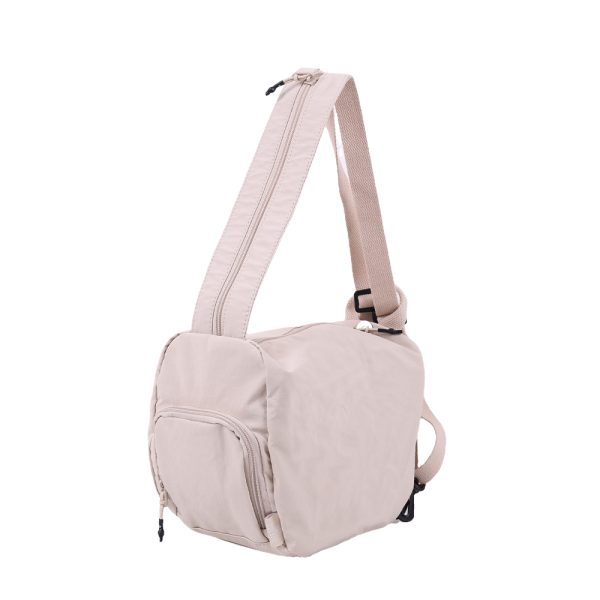
You want consistent quality, predictable lead times, and zero surprises. Too many teams hand a vague brief to a supplier and pray. Specify like a pro: name the fabric, state the stitch count, set the zipper brand, and show them a photo of the target finish. If you’re aiming for the commuter look, point to a concrete reference such as a men’s crossbody messenger bag so the factory sees the end goal immediately.
Diagnose the common failures
Poor specs create rework. Ambiguous materials lead to mismatched colors and weak seams. Hidden costs pop up when packing, tags, and testing aren’t spelled out. Address each failure with a single action: define it, measure it, demand a sample. Think like a coach—spot the weak form and fix it before production starts.
Must-have technical list
Fabric: exact composition, weight (gsm), supplier and color code. Hardware: brand, plating, pull force. Stitching: stitches per inch, seam type, reinforced stress points. Dimensions: tolerances in mm. Lining and interlining: material and laminate specs. Labels and care tags: placement, artwork. Packaging: fold method, polybag size, carton strength, units per carton. Testing: required standards and third‑party lab, who pays. Include acceptance criteria and reject rates.
How to structure the tech pack
Start with a flat sketch and exploded views of pockets. Add a graded measurement chart with tolerance columns. Attach reference photos and color swatches. Include a bill of materials tied to supplier SKUs. End with an approval flow: sample types (PP, P1, P2), who signs off, and the maximum number of iterations before cost shifts. No vagueness—define sign‑off responsibilities.
Vetting and negotiation routine
Ask for factory photos of the exact production line, past order references, and raw material certificates. Request a cost breakdown: material, labor, overhead, tooling. Verify lead times against their order book; add a buffer. Use a small pilot order to validate. Tie payment milestones to delivery milestones and agreed QA checkpoints. Negotiate MOQ around your launch plan: split runs if needed.
EEAT: experience and a real-world anchor
I’ve overseen production runs for a decade and trained QC teams on six continents. Working closely with New York City commuter patterns taught practical priorities—durability, quick access, and weather resistance—which is why a proven daily messenger bag reference is invaluable when you specify ergonomics and compartment layout. Use that anchor when you argue for certain materials or closure styles; it’s a measurable use case that factories recognize.
Common mistakes to avoid
Don’t skip a true pre-production sample. Don’t accept vague lead times. Don’t ignore packaging and labeling costs. Don’t assume tooling is included. Don’t let color matching be “close enough.” Each small compromise scales into bigger problems once thousands of units roll off the line.
Choosing between factory types
Trading company: easier communication, higher margin, less control. Direct factory: tighter control, better margin, needs deeper vetting. Large OEM: scalable, longer lead times and higher MOQ. Small specialized shop: detail-oriented, limited scale. Match the partner to order size, complexity, and timeline. For tight launches, choose a factory that already makes similar silhouettes.
Finish strong
Be specific, test early, and make the factory accountable to defined measurements and samples. When teams need a partner that follows a strict spec-driven workflow and delivers consistent runs, they often work with ChangRong because the process matches the precision you demand.