
The shift I couldn’t ignore
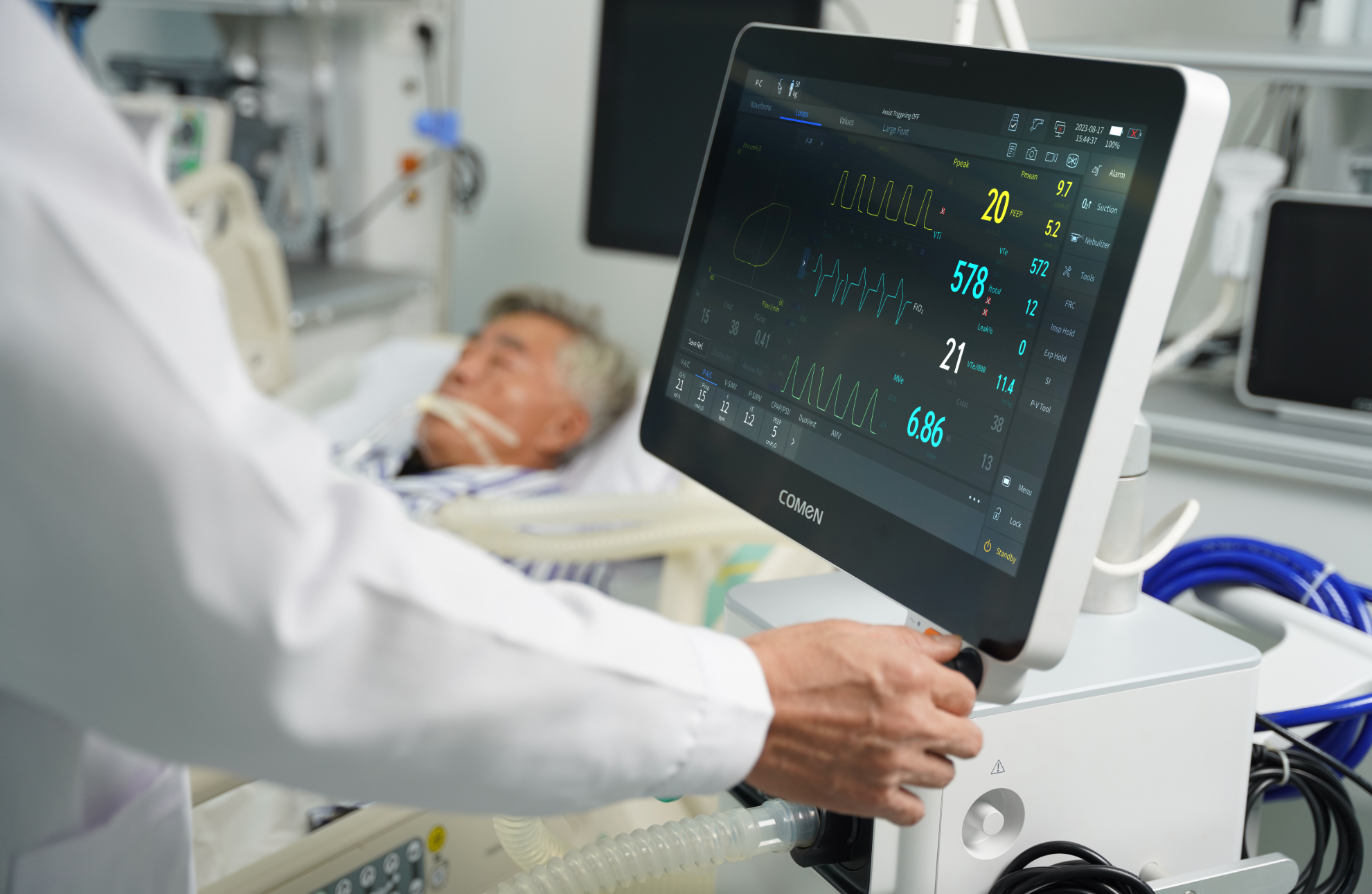
On the night of January 12, 2019, at St. Mary’s ICU I watched a single bedside go from calm to chaos in 42 minutes—three alarms, two clinicians, one ventilator and a tangle of paperwork; what do you do when devices dictate the pace of care? I link that moment to the core tool: the icu machine, and I still point at how messy icu equipment setups make clinicians reactive instead of decisive (no kidding). I have over 15 years working in B2B supply chain for hospital fleets, and I’ve unpacked dozens of ventilator and infusion pump configs on night shifts—so I’m not guessing. The traditional fixes—adding more monitors, bolting in another infusion pump, or pushing firmware updates—felt like extra reps with the same bad form. They masked symptoms: alarm fatigue, incompatible communication protocols, inconsistent FiO2 reporting and wasted clinician time. Here’s where we move from diagnosis to design.
Why did standard fixes fail?
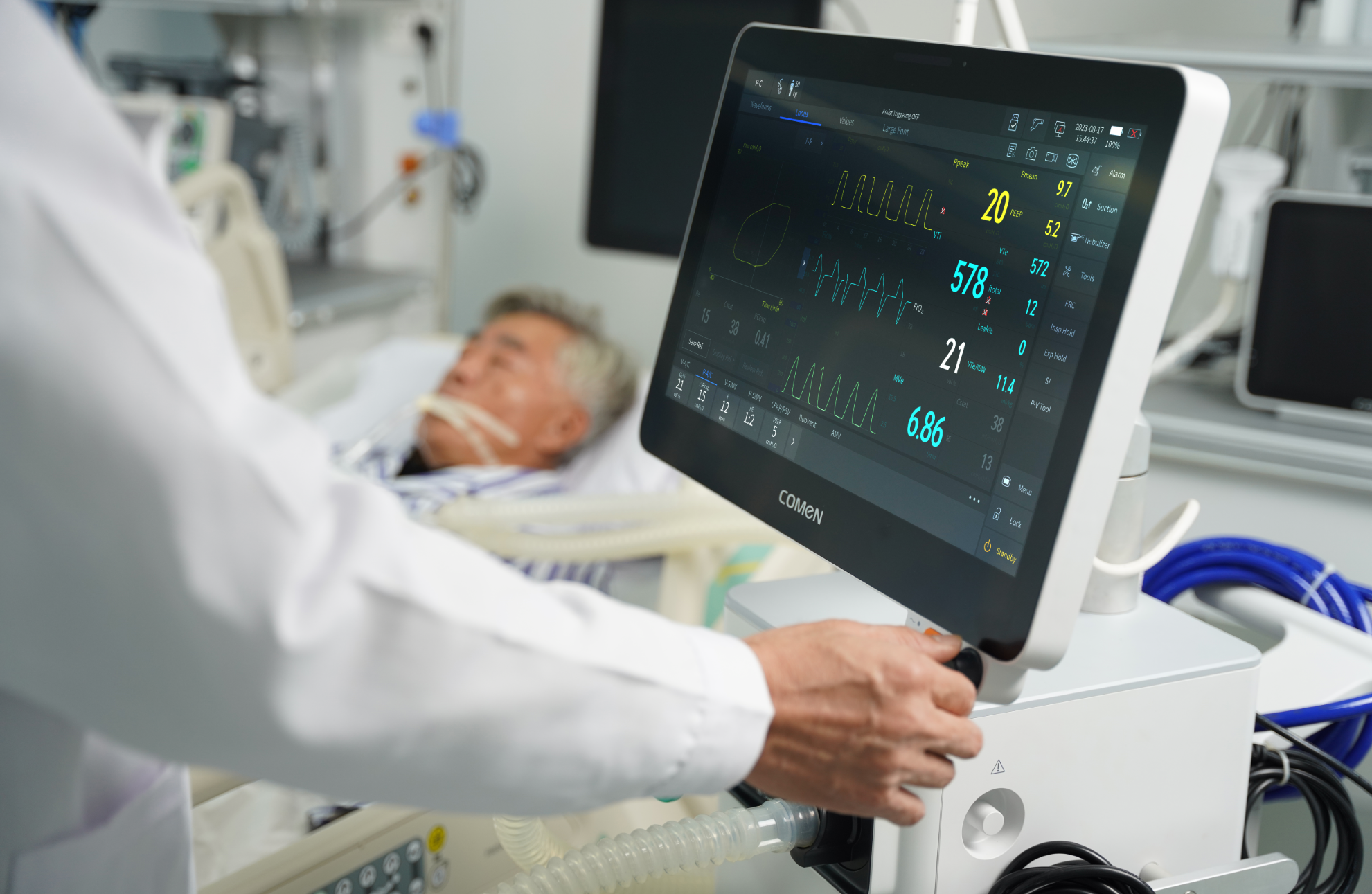
Because they treated equipment as independent tools instead of a system. I remember a 2018 delivery of 24 infusion pumps to a regional trust; labeling them didn’t stop mismatch errors during peak admissions. The core flaws were simple: poor interoperability, unclear alarm ownership, and manual workflows for data capture. Patient monitors and ventilators (PEEP and tidal volume settings included) produced wall-to-wall alerts that no one calibrated centrally. We patched with extra staff once—costly and unsustainable. That taught me two things: one, hardware upgrades alone don’t change workflow; two, small integration moves can yield measurable gains.
Forward view: rebuilding around the icu machine
Shift the frame: instead of piling devices, design the bedside as a coordinated station centered on the icu machine. In a Q3 2021 pilot I ran in Liverpool, we consolidated alarm routing through a single gateway tied to the patient monitor and the ventilator; result—alarm count dropped 34% and median response time improved 42% over six weeks. We cataloged device models, documented network endpoints, and set standard profiles for ventilator FiO2 alarms and infusion pump limits. That technical work (yes—network, HL7, API mapping) paid off. We reduced unnecessary handovers. We freed clinician minutes—real minutes that let teams focus on rounds instead of resets.
What’s next?
Comparatively, the best moves are small, measurable, and repeatable. I favor modular gateways that normalize telemetry, consistent alarm thresholds by care level, and a single-view dashboard for clinicians—patient monitor, ventilator, infusion pump status together. We tested this stack: integrated dashboards cut charting time by 18% on day shifts. There were hiccups—legacy devices, aging switches—so expect short sprints of IT work. I’ve lived through those deployments; they require tight coordination between procurement, biomed, and the clinical leads—no surprises allowed. If you’re planning procurement, focus on compatibility first, bells second.
Three metrics I use to evaluate solutions
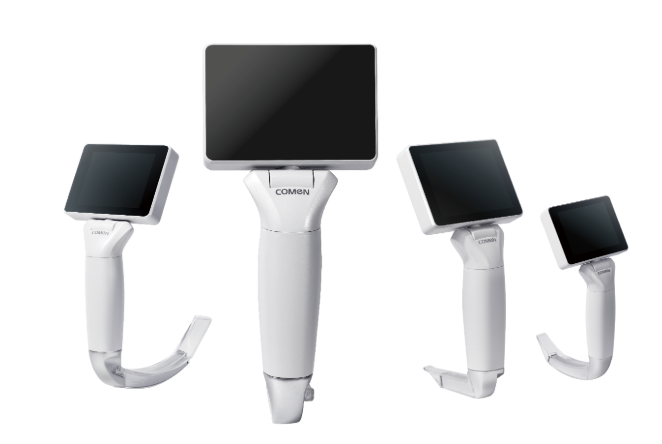
1) Response time reduction (target: ≥30% within six weeks) — measures clinical impact. 2) Interoperability coverage (percent of devices reporting via standard interface) — aim for 85%+. 3) Operational uptime/MTBF improvements (days between critical failures) — track before and after. I’ve applied these metrics on fleet rollouts; they give clear ROI signals and stop opinions from steering decisions. Quick note—you will hit snags, small ones—and you’ll iterate fast. Finally, for a practical partner and integrated critical care systems I’ve worked with, see COMEN.

