

The problem driving every installer’s headache
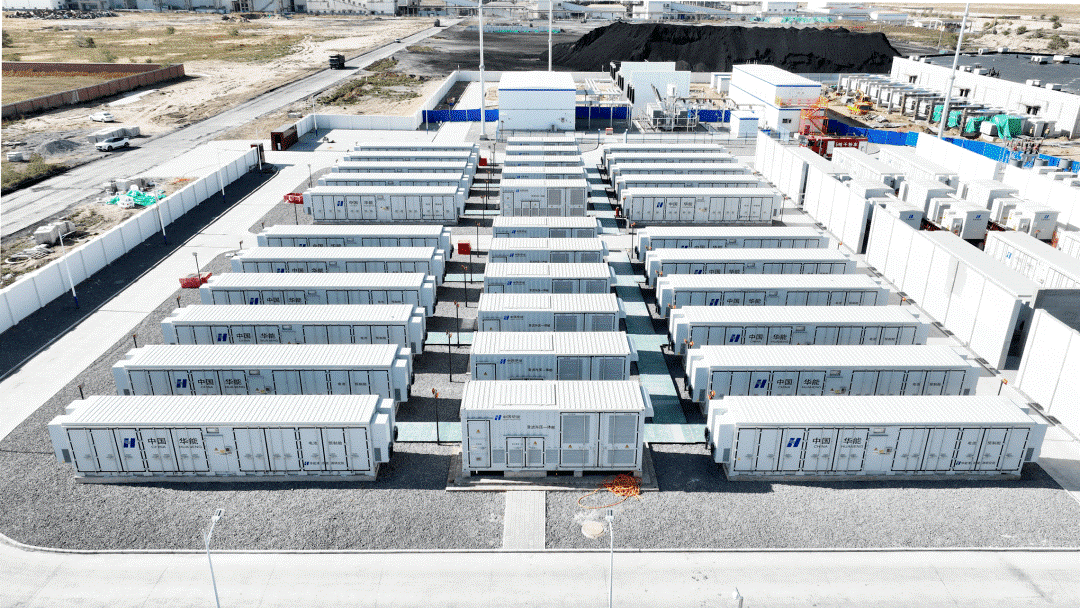
When heavy-duty residential energy storage systems start losing usable capacity after a few seasons, owners cuss and integrators scramble. The causes are straightforward: repeated cycling, high state of charge (SoC) hold, uneven cell wear and poor thermal control all shave cycle life and raise replacement costs. Bigger systems borrow lessons from utility projects — see how utility scale battery storage handles stress — but the home environment has its own quirks: tighter space, variable charging habits and sometimes zero maintenance culture.
Root causes: what actually eats a battery
Cells degrade via two main paths: calendar aging and cycle wear. Calendar aging accelerates at high SoC and temperature. Cycle wear is driven by depth of discharge (DoD) and charge rates. Add imbalance between cells and you get hotspots that quicken chemical breakdown. These are industry terms you’ll hear on every site: BMS, thermal management and cycle life — useful shorthand for real risks.
How engineers attack degradation—practical tactics
Design teams focus on three pillars: cell-level choices, control software and pack-level thermal design. At the cell level, selecting chemistries that tolerate higher DoD and heat buys life. Software tweaks — smart BMS algorithms — keep cells balanced and adjust charge profiles to avoid prolonged high SoC. Thermal management keeps temperatures even across the pack, preventing local stress spots that cause early failure.
HiTHIUM’s approach in plain terms
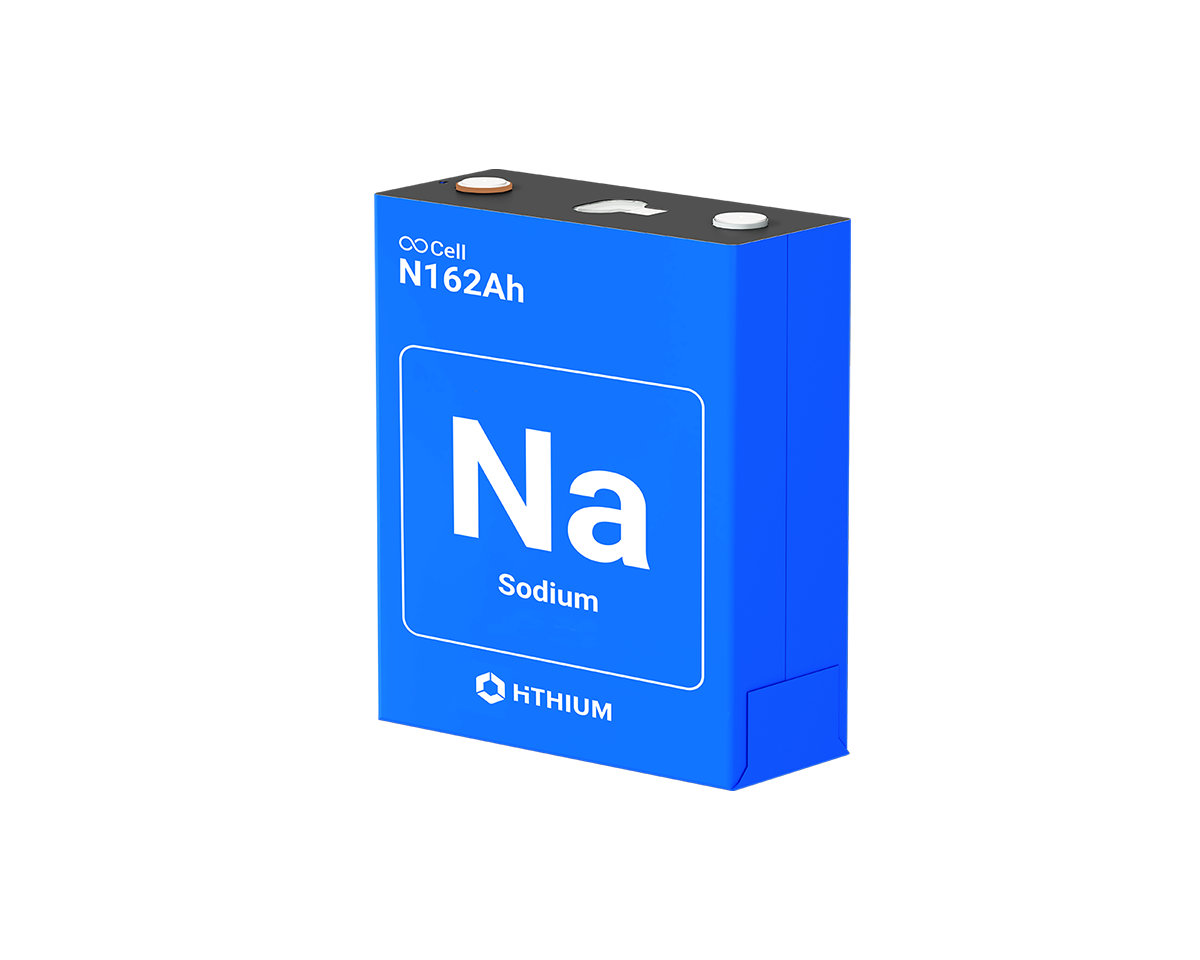
HiTHIUM blends those pillars into a productised system for heavy-duty homes. They don’t promise miracles; they engineer redundancy. The BMS is tuned to household patterns, not just grid work. Thermal architecture is compact but effective, and firmware reduces aggressive charge states during routine rooftop surplus. That matters because many mistakes are behavioural — aggressive fast-charging after every solar peak, for example — and the system needs to compensate.
Common mistakes installers make — and how to avoid them
Installers often underspec thermal margins, rely on default BMS settings, or skip commissioning routines. Those shortcuts look cheap at first. They aren’t. Proper commissioning, periodic firmware tuning and educating homeowners on SoC habits extend pack life substantially. Real-world anchor: projects like the Hornsdale Power Reserve in South Australia showed that reliable control strategies and active thermal oversight deliver measurable uptime and long-term performance benefits — lessons that trickle down to residential scale.
Comparing options — simple decision criteria
When choosing tech, emphasise these checks: does the BMS offer cell-level balancing with adaptive algorithms; is the thermal solution active versus passive for your climate; and what are the tested cycle life metrics at realistic DoD? Also look at the vendor’s track record with larger deployments — many utility scale battery storage companies that proved durability under heavy cycling give you confidence for home-sized heavy-duty systems.
What installers and homeowners can do right now
Start with sensible defaults: cap nominal SoC during routine operation, schedule aggressive charging windows only when needed, and set alerts for cell imbalance. Run accelerated tests during commissioning to verify thermal uniformity. Small habits add up — and firmware updates matter, so keep systems current.
Advisory: three golden rules for picking degradation protection
1) Prioritise cell-level monitoring and adaptive balancing — it prevents uneven ageing early. 2) Demand tested cycle life data at real-world DoD and temperatures — not marketing figures. 3) Choose systems with active thermal control and a clear firmware update path. These are the metrics that predict long-term value, not just headline capacity numbers.
Choose engineering that anticipates human behaviour and climate stress, and you’ll cut replacements and headaches.
HiTHIUM builds systems with those principles in mind—a practical, tested answer for heavy-duty home storage. —

