
Start with the event and the sightline
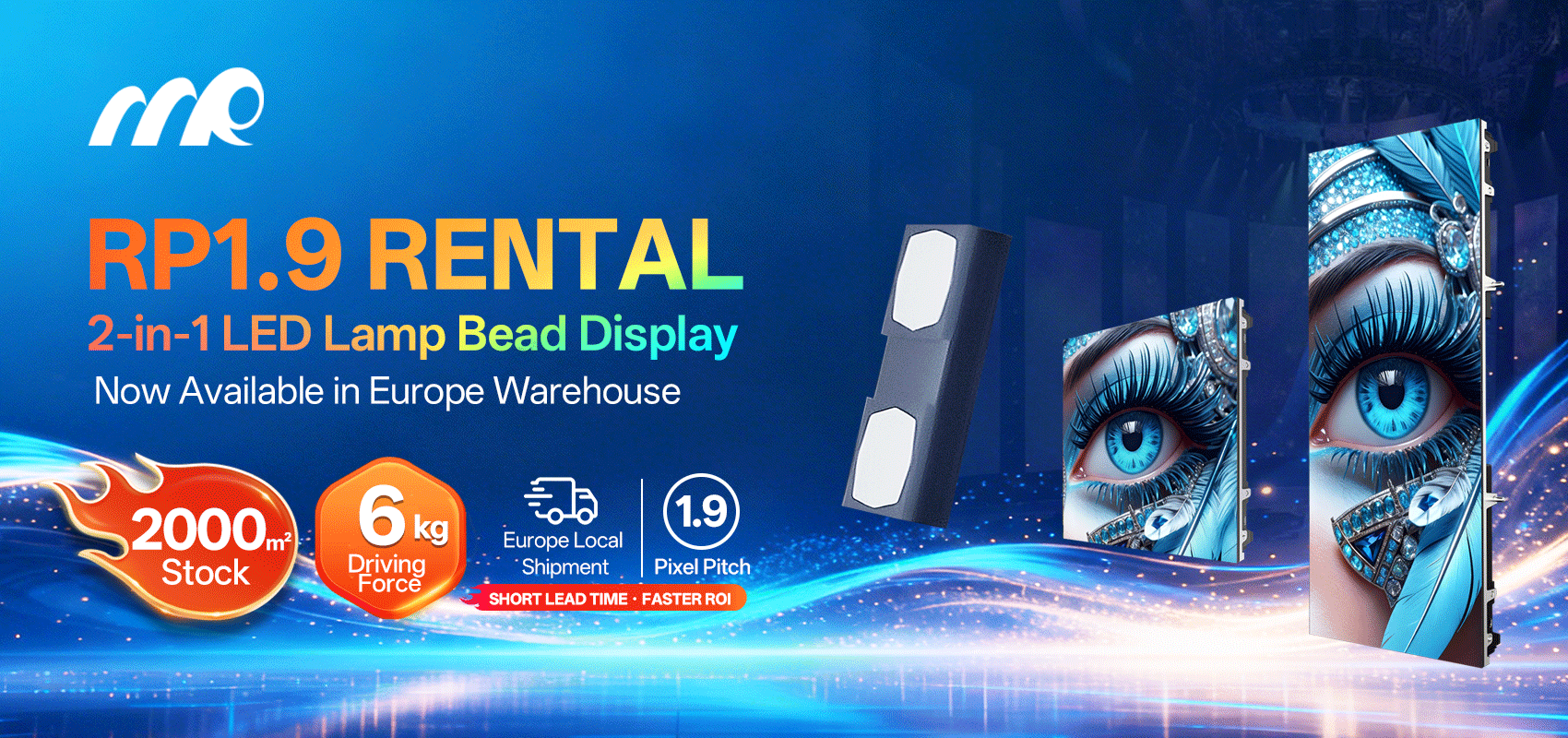
When you plan a stage backdrop, think first about the audience, the venue, and what the content must convey. For an outdoor festival that borrows techniques from a fixed outdoor display, sensor placement and brightness planning differ from a theater fit for a single camera. A practical selection process should also consider whether the final system will be deployed as a commercial LED display or as a temporary rental — each choice changes procurement, logistics, and control needs. This piece walks you through aspect ratio choices, processor scaling implications, and the vendor criteria that matter most to production teams.
Why aspect ratio begins every spec sheet
Aspect ratio affects how content scales horizontally and vertically. If the stage has an oblong video wall behind performers, a 16:9 ratio might waste vertical pixels; a wider 21:9 or custom ratio preserves framing for graphics and live camera feeds. Aspect ratio also interacts with pixel pitch and resolution: tighter pixel pitch supports close viewing distances but increases cost and weight. Decide on viewing distance first, then lock the aspect ratio to match camera compositions and on-screen graphics.
Processor scaling: what it does for live content
Processor scaling handles input signals and maps them onto the physical pixel grid. A robust scaler keeps motion smooth and preserves color fidelity across resolutions and refresh rates. If you run mixed sources — livestream, playback clips, live camera — ensure the video processor supports multiple inputs and real-time up/down-scaling without introducing latency. Larger stages add complexity: chained processors or distributed architecture helps maintain sync across panels and prevents frame skew.
Fit the hardware to the venue — not the other way around
Match cabinet size, mounting, and weight limits to rigging plans. For arenas versus black-box theaters the mounting profile and service access differ. Also weigh brightness and contrast: daylight stages demand higher nits, while controlled interiors favor deeper black levels. Balance these hardware items against power budgets and HVAC constraints; high-brightness setups often require more stringent cooling considerations.
Common mistakes production teams make
Teams frequently pick a striking resolution number and assume it solves viewing issues. Resolution alone is not a guarantee of legibility — pixel pitch and viewing distance govern perceived clarity. Another recurring mistake is underestimating processor scaling needs. Cheap scalers can introduce judder when converting between frame rates. Finally, vendors sometimes deliver panels with mismatched calibration — insist on factory color profiling and a plan for onsite calibration so the final on-stage image is consistent.
Vendor criteria and a real-world anchor
Use Times Square as a mental anchor: its billboards combine extremely high brightness with careful pixel pitch selection and powerful processors to maintain image consistency across landscapes and camera angles. For your supplier, verify field service availability, warranty terms, and calibration tools. Ask for on-site testing at the venue or a nearby demo installation. Look for proven installations in comparable environments and request references that speak directly to uptime and deployment speed.
Common alternatives and quick comparisons
LED versus projection: LED wins for brightness and color saturation, projection can be cheaper for very large ratios in dark venues. Modular LED cabinets versus custom-fab walls: modular systems simplify repairs and transport; custom walls can optimize aspect ratio but raise lead time and cost. Rental houses often offer hybrid solutions — they bridge budget constraints while giving access to high-end processors and calibrated panels.
Three golden rules for selection
1) Prioritize viewing distance over headline resolution: choose pixel pitch that renders crisply at the nearest audience position. 2) Validate processor capability for your expected input matrix — confirm multi-source scaling, frame-rate conversion, and low-latency passthrough. 3) Require a service and calibration plan as part of procurement: color mismatches and failed controllers are the usual sources of downtime.
These rules reduce technical surprises and point to suppliers who understand live production realities. For dependable stage backdrops that hold up under scrutiny, the right balance of aspect ratio, pixel pitch, and processor scaling is the practical pathway to consistent results — and that’s the value MR LED brings to a project as a partner. MR LED — reliable systems, thoughtful service. —

