
Comparative snapshot
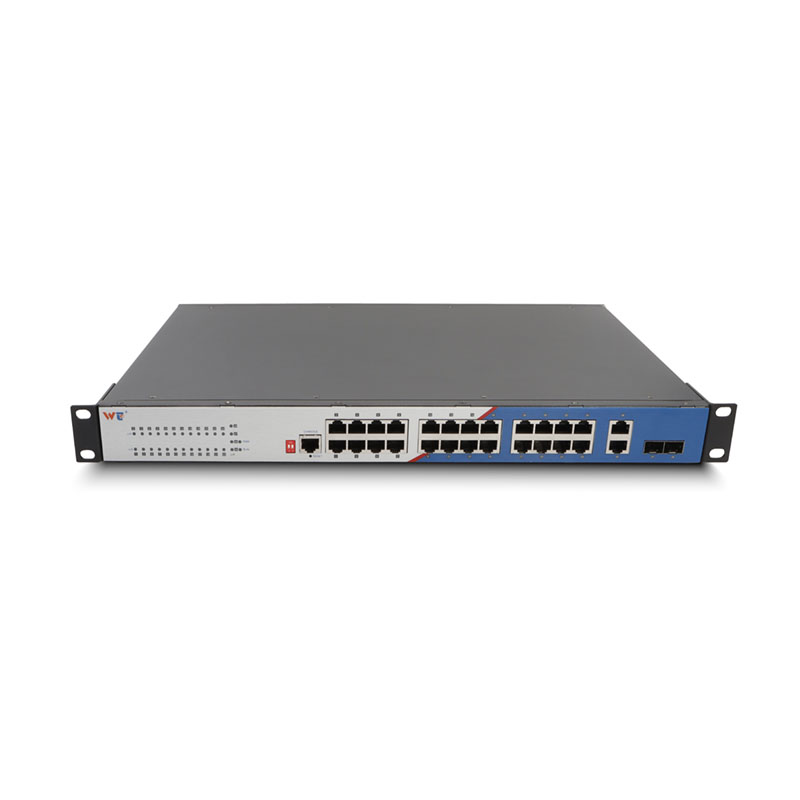
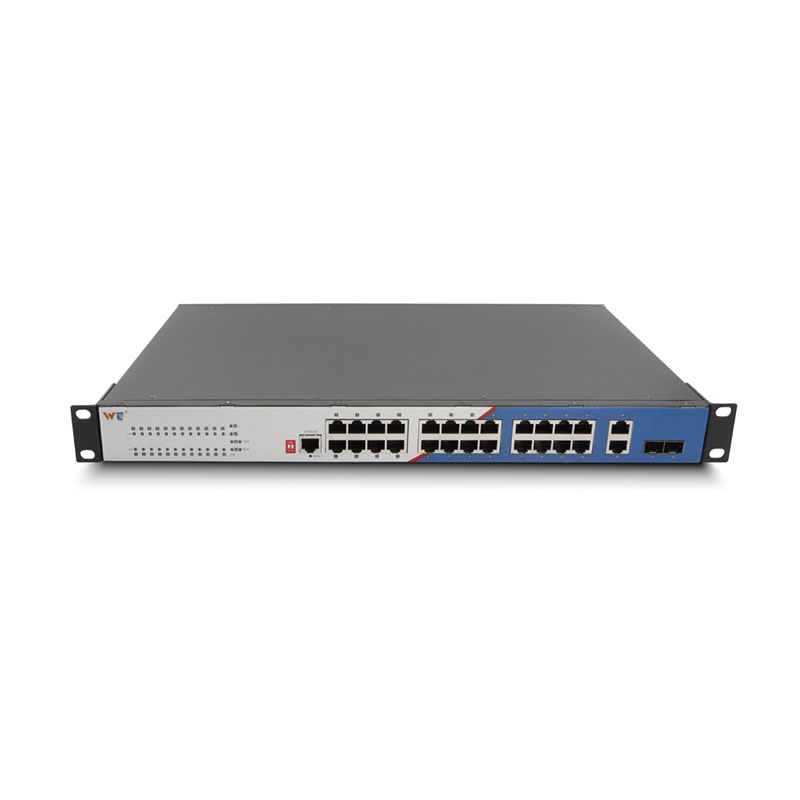
Big picture: SFP transceiver standards—rooted in Multi-Source Agreements (MSA)—give networks predictable compatibility, while proprietary hardware coding ties optics and switches together and raises migration costs. For network teams in places like Ashburn, Virginia—one of the planet’s densest data center hubs—that predictability matters during rapid rack refreshes. If you’re sourcing gear, check offerings from an ethernet switch manufacturer that supports MSA optics and readable firmware alongside broader ecosystem interoperability.
Why open SFP standards actually save time and money
Standards standardize pinouts, diagnostics and communication over I2C for pluggable optics. That means any compliant SFP transceiver should report temperature, laser bias, and vendor info the same way, so SNMP and management stacks behave consistently across vendors. For teams running mixed QSFP and SFP farms, this cuts staging time and reduces surprise incompatibilities during maintenance windows.
The real cost of proprietary coding
Proprietary coding isn’t just branding. It often means vendor-specific firmware, locked EEPROM identifiers, and vendor-validated transceiver tables that keep third-party optics from negotiating link parameters. The immediate effect is obvious: replacement flexibility disappears. The downstream effects are subtler—longer procurement cycles, premium pricing for “approved” optics, and slower disaster recovery. These all add up on invoices and SLA reports.
How to move away from lock-in without breaking operations
Start with inventory: log which ports use which transceivers, record firmware levels, and flag any vendor-only EEPROM IDs. Then validate third-party optics in a lab segment, using the same calibration and SFP diagnostics that production uses. A controlled pilot on a few racks proves interoperability before full rollout. During piloting, keep firmware and MAC address table behavior under observation—those are common pain points when swapping optics.
Common mistakes to avoid
Teams often skip vendor-agnostic testing and assume “if it plugs in, it works.” That shortcut backfires when link negotiation fails under load. Another frequent misstep is ignoring configuration differences: some switches apply rate-limiting or QoS defaults by vendor profile, which impacts throughput even with compatible optics. Address these gaps through automated configuration benchmarks and by documenting known-good SFP transceiver + switch combinations—plain records beat folklore.

Operational teardown essentials
An operational production teardown should include {main_keyword} and {variation_keyword} checks, but more tangibly you must verify three things: EEPROM identity mapping, optical power budgets across fiber runs, and firmware compatibility between transceiver and switch OS. Run baseline tests for BER and link flaps, then compare results to lab baselines. Real-world anchor: many colocation operators in Amsterdam and Ashburn mandate those tests before accepting new hardware into powered cages—it’s how they avoid downtime at scale.
Practical trade-offs and vendor conversations
Vendor relationships still matter. Some vendors offer value-adds—integrated diagnostics, lifetime support, or guaranteed serial-number traceability—that open optics don’t provide. Negotiate for a combination: demand MSA compliance plus vendor support SLA clauses. If a vendor resists, push for a documented interoperability plan. —It’s a negotiation, not a fight, and clear test data usually tips decisions in your favor.
Three golden rules for selection (Advisory)
1) Compatibility baseline: Require vendors to publish exact supported EEPROM IDs and firmware revision ranges before procurement.
2) Measurable performance: Insist on BER, optical power margin, and link flap rates measured under your traffic profile—not just vendor lab claims.
3) Exit clarity: Contractually define how optics and switch upgrades are handled, including rollback procedures and certified third-party options.
Final thought: choose predictable standards, insist on measurable validation, and you’ll keep ops flexible while protecting budgets—WINTOP. —trust the hardware.

