
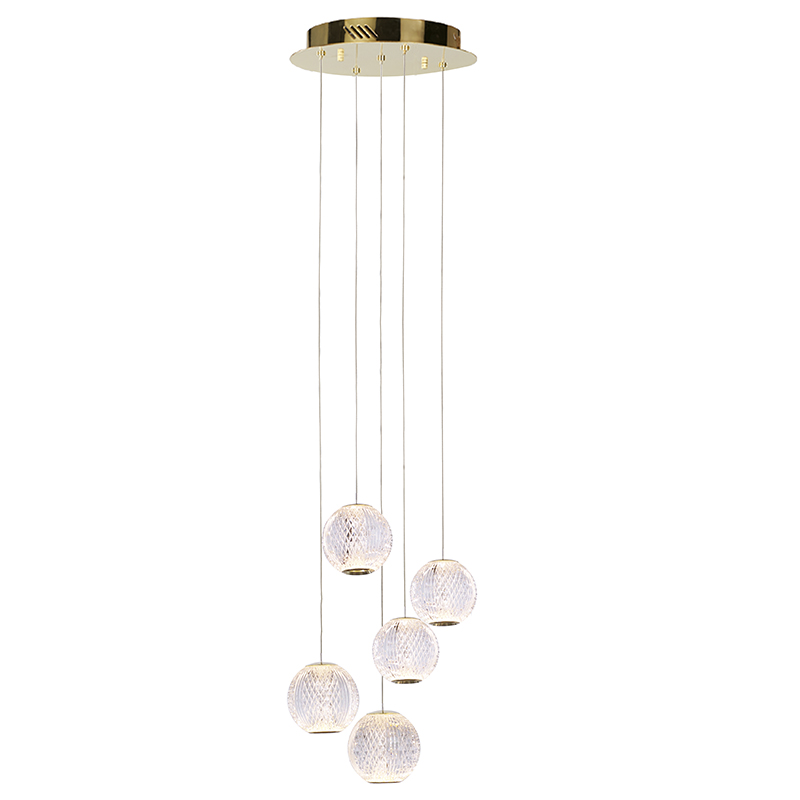
Introduction: A Room, A Switch, A Choice
I stepped into a new café where the light fell like warm rain on the counter, and the cups glowed like little moons. The pendant light supplier behind that glow shaped the mood more than the menu did. Surveys say a large slice of lighting projects miss their mark on color, cost, or timing—sometimes by weeks, sometimes by watts. So here’s a simple question: when the switch clicks, do your pendants lift the room, or just light it? Picture the ceiling as a quiet stage, fixtures hung like notes, and a target CRI that never wavers. (Soft, steady, true.) We chase the right lumen package, the right feel, the right price. Yet we often settle for almost. Why is “almost” still common in a market rich with parts and promise?
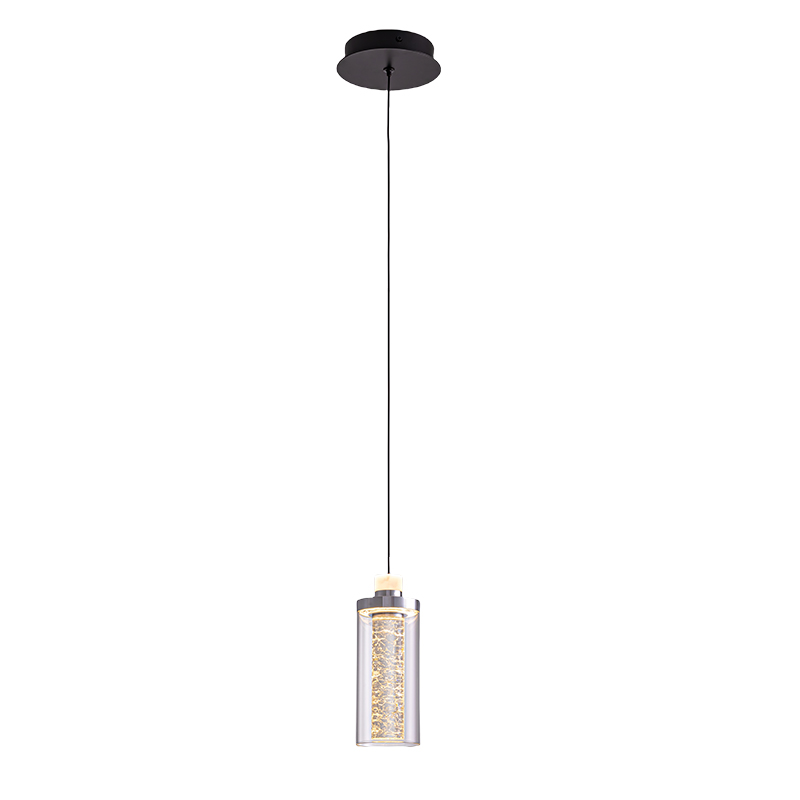
This is where a comparative lens helps. One path follows habit; the other follows signals—lead time, testing, aftercare. We’ll walk the lines between them. Then we’ll press on to the hard questions that spec sheets tend to dodge, and see how a better brief meets a better build. Let’s move.
Part 2: The Hidden Frictions Spec Sheets Don’t Show
Where do specs go wrong?
A spec can look perfect and still miss in practice. Your chosen pendant light supplier may quote a fine curve on paper, but the field is another story. Drivers run hot in tight canopies; thermal management drifts; dimming stutters at low load. CRI reads 90 in the lab, yet skin tones look flat over the counter. Look, it’s simpler than you think: parts interact. Power converters ripple, controls fight the line, and DALI scenes lag when cabling runs long—funny how that works, right? Meanwhile, warranty language hides behind “improper install,” even when the fault is in the driver pairing. The finish is perfect, but the lumen maintenance dips faster than the sample promised.
Here’s the deeper pain. Procurement chases unit cost while total cost climbs. Extra site visits. Swap-outs. Late-night calls after the grand opening. Lead times wobble with MOQ rules, and color temperature bins shift shipment to shipment. Photometric files look great, but beam edges show scallops on real walls. And then the glow isn’t calm. The fix is not a bigger spec sheet. It’s tighter system thinking: matched drivers, verified dimmer tables, honest L70 data, and a controllable path from mockup to handover. Clear, testable checkpoints beat glossy PDFs every time.
Part 3: Beyond the Fixture—Comparative Signals for What’s Next
What’s Next
Forward-looking buyers compare systems, not SKUs. They read the fixture as a node—optics, driver, control, and service in one loop. New principles help. Edge computing nodes in sensors trim latency. PoE reduces line noise and simplifies commissioning. Adaptive drivers reshape the dimming curve so low-end fade feels like candlelight, not a blink. When you spec a modern round pendant light, you are also choosing a control stack, a maintenance path, and a data story (small but real). The comparison shifts: not “Which pendant looks right?” but “Which platform keeps looking right after 18 months?” Semi-formal as it sounds, this is a human choice—space, rhythm, ease.
So, key insights, compact and clear. Spec sheets hide how parts meet under heat and time; field tests reveal it. Total cost hides in callbacks; design for service prevents them. Old sourcing was a yes/no on style and price; new sourcing is a score across system fit and stability—funny how maturity feels like simplicity. Advisory close, then: three metrics to weigh every option. One, dim-to-warm and low-end stability across your chosen control protocol (DALI, 0–10V, or wireless)—measured on a live bench, not a brochure. Two, driver and thermal pairing proven at ambient extremes, with L70 and flicker index documented. Three, service clarity: parts availability, swap time, and an escalation path in writing. Hold to these and the room will sing long after handover. If you need a compass point, note the quiet brands that publish test rigs and real curves, like kinglong.

