
Introduction: A Curbside Moment That Explains Everything
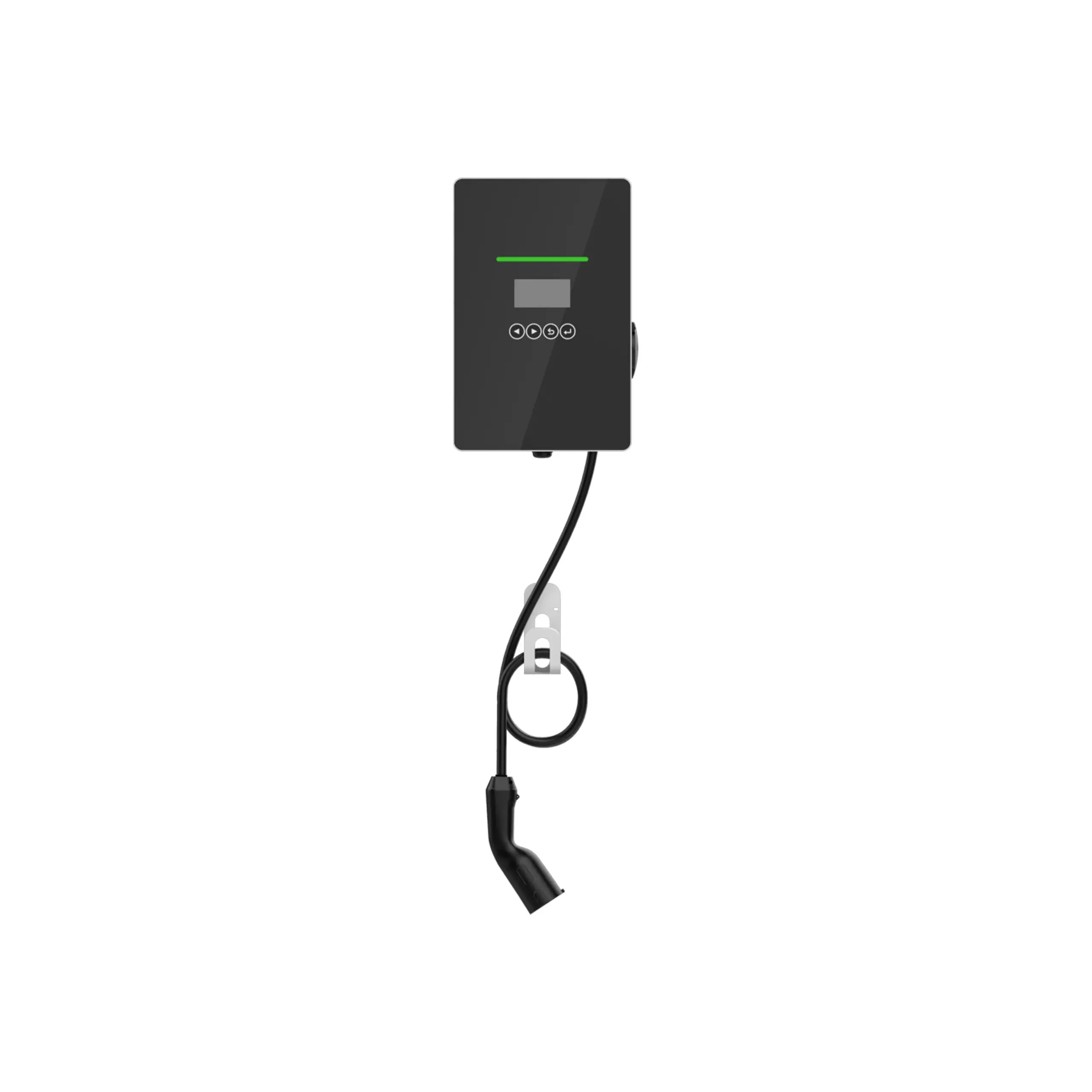
You pull into a busy forecourt after a long commute, hoping to top up before a meeting. The display promises fast energy in minutes. A 120kw EV charger looks ready to go, yet the queue and the actual session time tell a different story. In many Indian cities, average dwell time still hovers near 25–30 minutes, even when the site advertises rapid charge. That gap between “rated” power and lived experience is not a small flaw; it is the story. How do cab fleets and daily drivers cope when thermal limits, backend delays, and derating kick in—right when speed matters? (As we say here, jugaad helps, but it cannot beat physics.) If fast charging is meant to be simple, why do so many sessions still feel slow, uneven, or stop–start? Let us examine the practical levers that shape true throughput, and why the right design choices can shave minutes without drama. Next, we unpack where the friction hides and how to fix it—properly.
Hidden Friction at the Plug: Why “Rated” Is Not Always Real
Why does a “fast” session still feel slow?
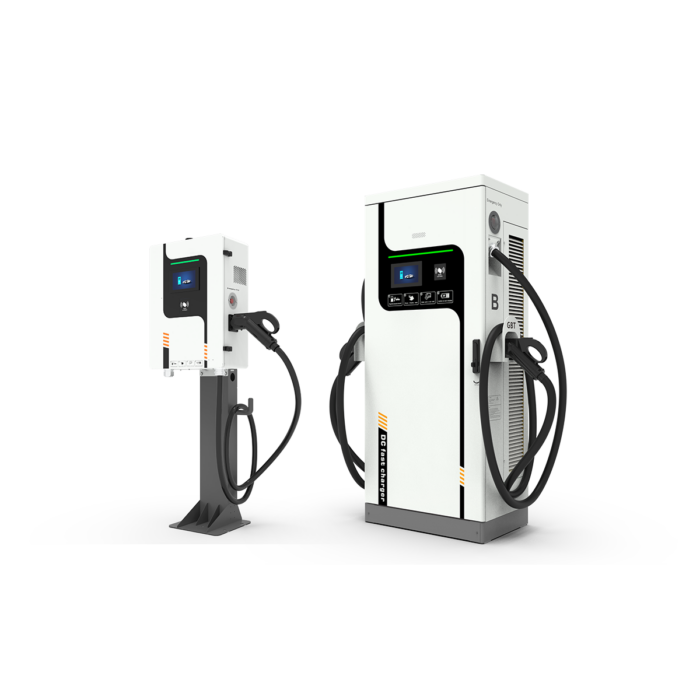
To understand the lag, start with the ecosystem, not the poster. Devices like the 120 kw DC fast charger 40 promise strong peak power. But the user’s clock measures stable output, handshake speed, and queue flow. Look, it’s simpler than you think: charge time is the sum of site design, EV battery state, and software coordination. When OCPP backends take a few seconds longer, the session feels sticky. When thermal management holds back the power modules under heat, the curve flattens. And when load balancing shares capacity across stalls, a “120 kW” lane may deliver less. Add heavy cables and unclear labelling, and a driver’s mental model collapses—funny how that works, right?
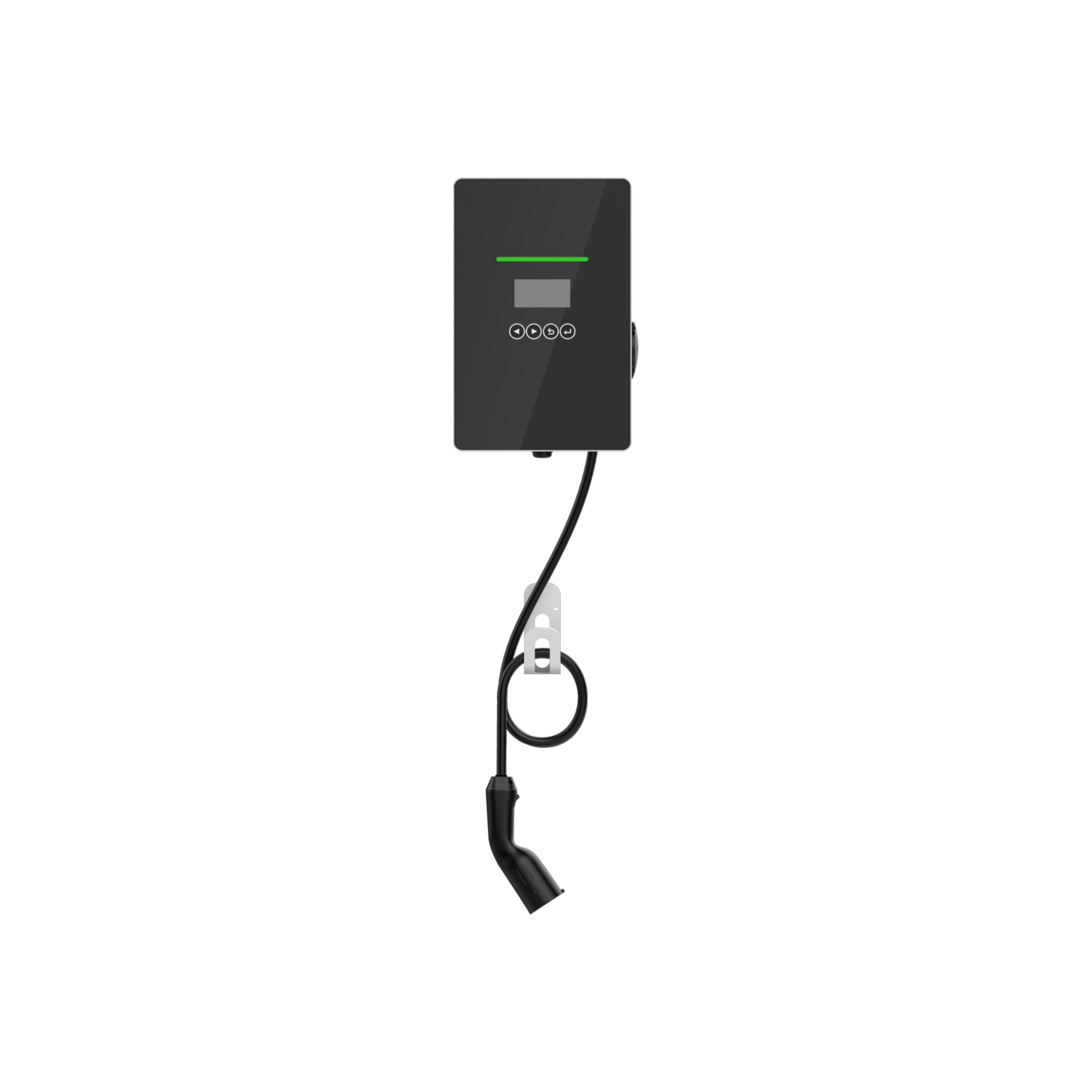
These pain points are not hype; they are engineering. Power converters need clean input and low harmonic distortion to hit targets. Edge computing nodes at the site can shorten the handshake and cut retries. Better cable cooling reduces derating in hot afternoons. Smart preconditioning signals help the EV’s pack accept current earlier in the session. When these blocks align, the same hardware feels faster without changing the spec sheet. The lesson: users queue for peak power, but they stay for consistent ramps, crisp authorisation, and predictable tap-to-charge. That is the true “fast” in real life.
Forward-Looking Design: Turning Rated Speed into Lived Speed
What’s Next
Now, compare old-school sites to new builds guided by clear technology principles. Modern rectifiers built on SiC power semiconductors push higher efficiency with lower heat. Liquid-cooled cables keep current steady when the sun is harsh. Local controllers act as edge computing nodes, trimming handshake latency before the cloud even notices. ISO 15118 with Plug & Charge cuts card waits. Dynamic power sharing shifts kilowatts to the car that can take it now—no wasted headroom. In practice, these steps convert peaks into smooth delivery. That is why next-gen bays, like super fast EV charging stations 170, feel quicker even when the number on the totem looks similar. It is the orchestra, not the soloist.
So, how should buyers choose? Aim for designs that minimise derating, simplify user steps, and report live capacity—transparently. Advisory close: 1) Measure sustained output at 10–80% SOC across heat and humidity; not just the peak. 2) Track session overheads: authorisation time, payment retries, and OCPP round trips (milliseconds matter). 3) Audit site resilience: thermal headroom, cable cooling, and power quality under shared load. Do this, and a 120 kW bay delivers like a bigger one when it counts. The outcome is shorter queues, happier drivers, and stable utilisation—without overspend. And yes, small process fixes often beat big hardware swaps—surprising, yet true. For a grounded view of platforms that follow these principles, see winline EV charger.

