
Introduction: When the Room Hears Before It Thinks
A quiet boardroom breathes. Lights hum, screens glow, and a soft click wakes the room. In a paperless conference system, the documents are neat and the screens are clean—but clarity still lives or dies on the mic. You touch the rim of a glowing tabletop microphone and wait for voices to land in crisp layers. Here’s the rub: industry audits show that audio issues cause more than half of meeting delays. And even slick dashboards can’t fix messy sound paths. So why does a setup that looks modern still sound thin, or harsh, or late by a beat? (You can feel it in the air.) We often tune screens and seating charts before we tune signal paths—funny how that works, right?
Let’s step closer, listen sharper, and ask how the sound chain really flows. We’ll compare what teams expect to what the room can deliver. Then we’ll map a practical route from old habits to consistent clarity. Ready to cook the audio right and serve it hot? On we go.
Problem Beneath the Surface: Tabletop Audio’s Hidden Friction
Why do tabletop setups still fail?
The classic pain isn’t the mic. It’s the pattern around it. A tabletop microphone earns trust when the gain structure is steady, the AEC (acoustic echo cancellation) is tuned, and the room noise floor stays low. Traditional installs lean on fixed presets and a “set it and forget it” mindset. But rooms change. People shift chairs. HVAC murmurs rise after lunch. Laptops add coil whine. Without adaptive DSP and proper RF shielding, you chase hiss and feedback all day. And when cabling routes are long or messy, small ground loops creep in. Latency budget grows, and syllables smear. Look, it’s simpler than you think—most “mystery” problems are just routing, timing, and power discipline hiding in plain sight.
There’s another trap. Some teams swap in wireless units to cut clutter, yet ignore QoS on the network and skip VLANs. Packets wander. Jitter spikes. The mic did nothing wrong; the transport did. In large rooms, a cardioid element aimed at the talker helps, but without beamforming logic or auto-mix gates, side chatter bleeds. And when PoE feeds pass through cheap power converters, noise rides the line into the preamp. These are not exotic flaws. They’re basic alignment steps missed in the rush to go “paperless” and polished. Direct, measurable fixes—calibrated DSP, clean clocking, and disciplined cabling—solve most of them.
Forward-Looking: New Principles for Smarter, Cleaner Meetings
What’s Next
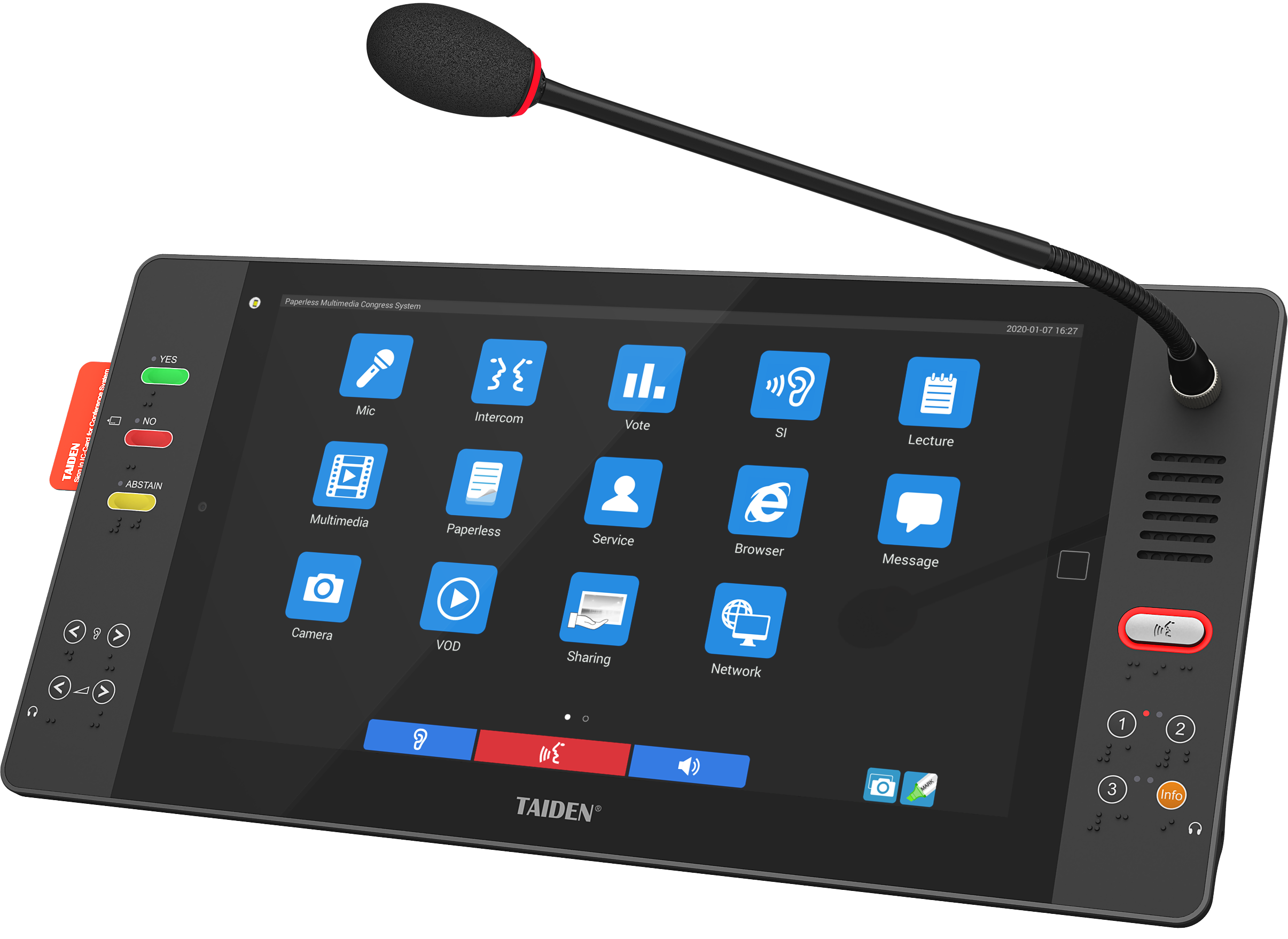
Tomorrow’s rooms listen before they speak. Think adaptive arrays, not fixed footprints. A modern multimedia congress system can treat each seat as a smart node. Edge computing nodes sit at or near the mic to run beamforming, AEC, and noise suppression locally, reducing round-trip delay. The DSP evaluates room states in real time—how many talkers, where they sit, what frequencies bloom—and shapes the mix on the fly. Auto-mix gates open with intent, not guesswork. Meanwhile, clock-locked transports keep the latency budget tight. Network QoS reserves bandwidth so syllables don’t stutter. And yes, regulated DC feeds and well-specified power converters lower the noise bed by design—small details, big wins.
Comparatively, the leap isn’t from wired to wireless, or from analog to digital. It’s from static to situational. Old stacks assumed a room was a constant. New stacks assume the room is alive. We measure early reflections, tie thresholds to occupancy, and set safe limits for gain before feedback. We tag talkers, not chairs. If you already run a paperless workflow, these principles slip in neatly—dashboards can show SNR, gate activity, and per-seat priority right beside meeting scripts. The flow stays human; the logic stays machine-speed. And when it works, nobody notices—just calm voices and clean notes.
To choose well, weigh these three metrics: 1) Adaptive clarity: can the system maintain stable SNR and intelligibility across changing seating and noise? 2) Transport discipline: does the design hold clock sync, QoS, and sub-20 ms end-to-end latency under load? 3) Power hygiene: are PoE paths, isolation, and converters specified to keep the noise floor low, with documented test points? Meet those, and your mics stop being gadgets and start being hosts. That’s the signal behind the glow—quiet confidence, meeting after meeting. Learn from both the flaws and the fixes, and keep iterating with partners like TAIDEN.

