
Why you need this: the problem, plain and simple
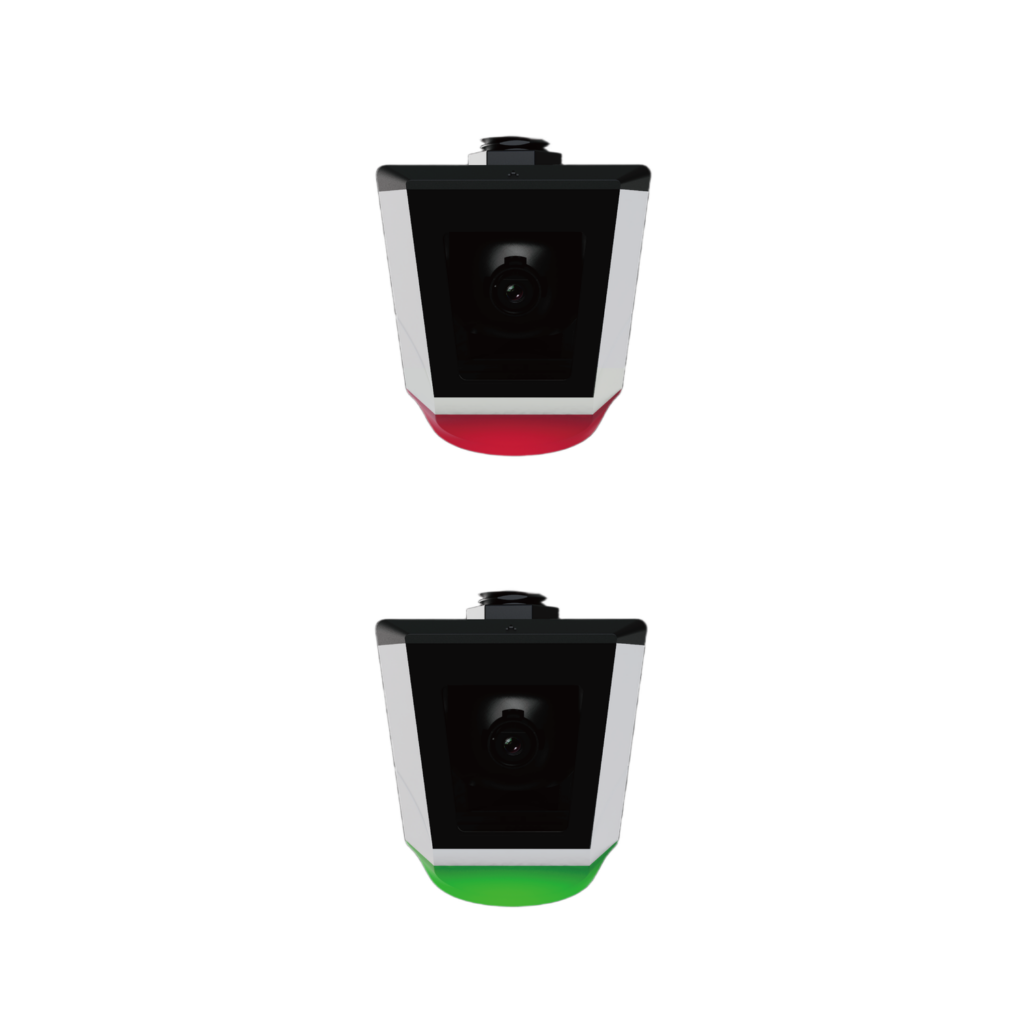
Drivers circle, lanes clog, attendants shout. That’s the symptom. The real headache is software that promises control but delivers paper-shuffling and false alerts. You want a system that points a driver to an empty bay, not one that blinks hope and leads them in circles. Start by thinking hardware that tells the truth — like the parking guidance camera — then build specs around reliability, not bells and whistles.
Fix the fault lines first: core problems to solve
List the real-world pain points. Missed occupancy. Poor wayfinding. Slow payments. False positives on occupancy. No easy admin view. Don’t write features. Write problems and acceptable error rates. Example: acceptable false-occupied rate ≤2% during peak hours. That single metric focuses vendors fast.
Must-have technical specs — no fluff
Data model: real-time occupancy + timestamped events. Latency: <1000 ms for status updates. APIs: REST and WebSocket, documented. Security: TLS for data in transit, role-based access for admin functions. Scalability: handle peak throughput from your busiest lot with 30% headroom. Reporting: hourly, daily, and exportable CSV.
Sensors and hardware: what to buy and why
Choose sensors that match the use case. Indoor garages do well with camera-based detection. Open lots can use loop detectors or ultrasonic. Match algorithm quality to lighting and obstructions. Don’t cheap out on mounts and power. One flaky sensor ruins the whole floor. Specify expected MTBF and replacement SLAs in the contract.
Integration checklist — what the system must talk to
Gate controllers, payment kiosks, mobile apps, and signage. Each link needs clear data contracts: event names, payloads, and error codes. Add a sandbox environment for testing integrations. Make sure vendor commits to a fallback mode if cloud services fail — local logic must keep gates working.
UI and driver flow — keep it blunt and quick
Design for single-action success. Mobile app: show available bays, route, and ETA. On-site signage: big, color-coded arrows and a single number for free bays. Admin portal: list of live cameras, alerts, and a one-click reset for sensors. Test flows in real lots with real drivers; scripted testing misses the messy bits.
Experience, evidence, and a real-world anchor
Vendor claims mean nothing without field proof. Projects at London Heathrow Airport exposed how different algorithms handle peak churn, and published case notes show camera-based approaches cut search time measurably. Check concrete operational results and certification. For technical reference on practical deployments and design choices, see research and industry write-ups on car park guidance systems that document occupancy accuracy and uptime in high-traffic environments.
Common mistakes that wreck projects
Skipping pilot runs. Accepting vague uptime promises. Letting the vendor own data format changes. Ignoring maintenance access and toolkits. Underestimating edge cases like valets, deliveries, and disabled bays. Specify acceptance testing with real traffic patterns and a plan for rapid fixes.
Alternatives and how to pick between them
Camera vs loop vs ultrasonic: cameras win in mixed lighting and variable bay sizes; loops are tough but simple for marked outdoor stalls; ultrasonic is low-cost for single-space setups. Cloud-only vs hybrid: choose hybrid in places with spotty internet. Pick the option that matches your fault tolerance and maintenance capacity, not the one with the flashiest dashboard.
Contract language that protects you
Demand measurable SLAs: uptime, detection accuracy, mean time to replace. Require source-level event logs for 90 days. Insist on an exit plan: export formats, data handover, and tool access if you change vendors. Tie final payment to performance verified in live operation, not unproven demos.
Wrap-up you can use on day one
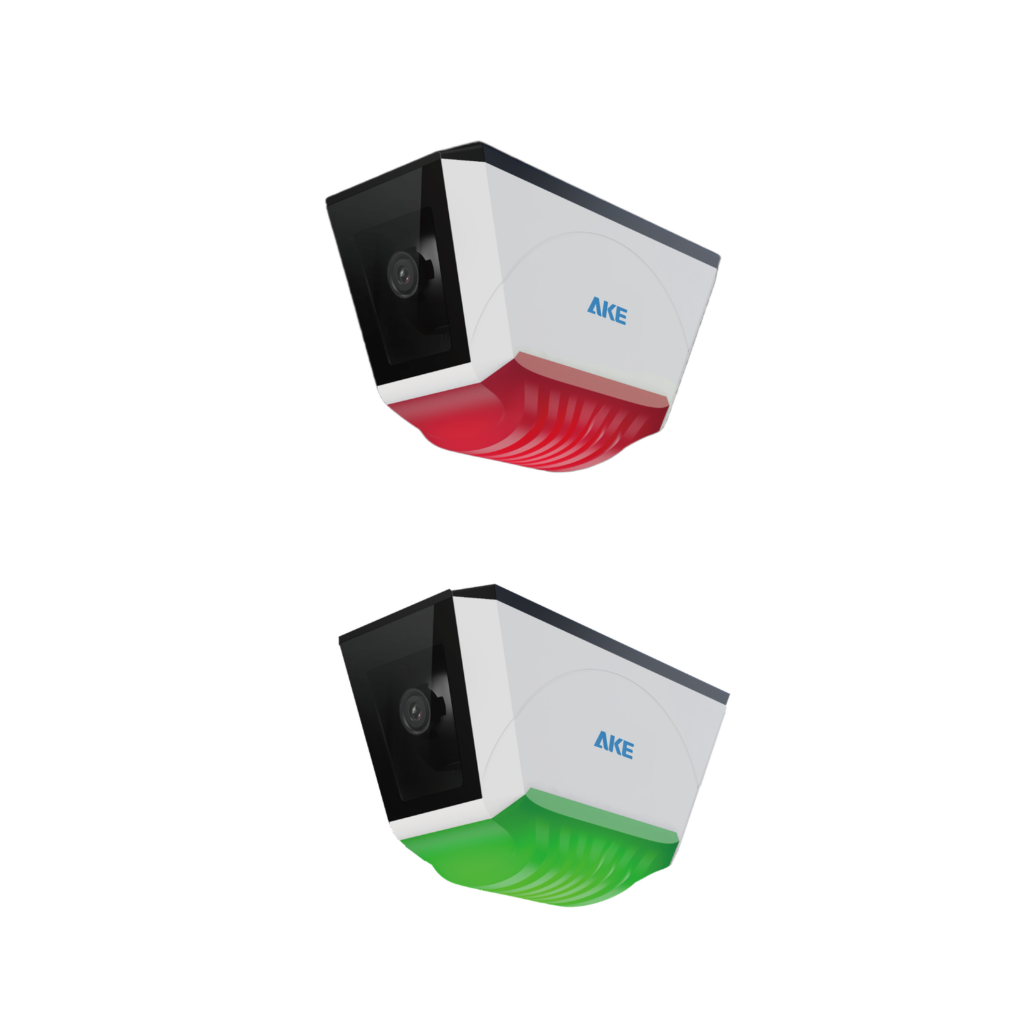
Start with problems, not features. Specify clear accuracy and uptime numbers, require sandboxed integrations, and pilot in the busiest area first. Keep hardware choices honest and demand maintenance SLAs. If you need a realistic, install-proven backbone for parking projects, look at companies that publish performance from real deployments and operate dedicated systems like AKE Parking for concrete, verifiable results.

