
Introduction: Speed Changes Everything
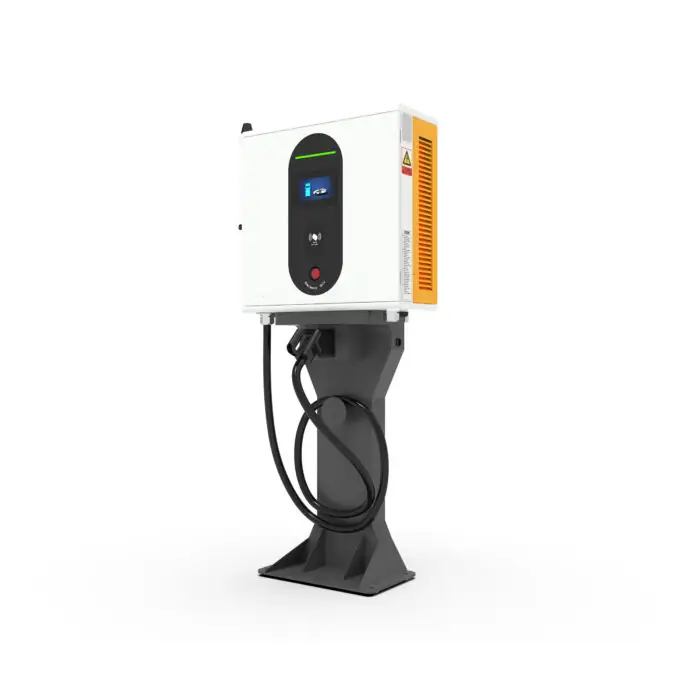
You want momentum, not downtime. An EV fast charger puts time back on the clock by turning long waits into short stops. Picture a busy morning: vehicles lined up, routes waiting, and dispatch tapping the table. A 150 kW session can add over 100 miles in under 20 minutes—enough to cover a full shift for many use cases (last-mile, service vans, even light-duty fleets). That’s real capacity, not wishful thinking. And it’s measurable. Faster turnaround, fewer missed windows, and steadier utilization. The result is a simple question: if minutes unlock revenue, why keep bleeding them at the plug?
Let’s get specific about what slows you down—and how to beat it without breaking your grid plan or your budget. Onward to the real bottlenecks.
Root Causes: The Gaps Traditional Solutions Leave Behind
Where do traditional setups fall short?
Here’s the technical truth up front: Level 2 was built for dwell time, not for duty cycles. Using that as your backbone looks cheap, but it taxes your schedule. With China EV charger manufacturer 210 as a benchmark, you can see the pitfalls in older rollouts. AC gear strains when the job demands quick turnarounds, and demand charges spike when unmanaged peaks hit the meter. Legacy cabinets often bundle power converters without smart load balancing, so one busy port hammers the feeder while others nap. Harmonic distortion creeps in. Thermal management throttles output on hot days—right when your routes are packed. Look, it’s simpler than you think: the wrong architecture creates queues, and queues kill KPIs.
Integration adds another hidden pain point. If your chargers don’t speak OCPP fluently—or if they’re stuck on limited diagnostics—remote fixes are rare and truck rolls pile up. No modular rectifiers means no graceful degradation; one failure becomes a full shutdown. Cable cooling falls short; cables heat, charge speed dips, drivers grumble. Even firmware OTA can be clunky, leaving bugs in place longer than anyone wants. Reliability isn’t one big feature. It’s dozens of small safeguards working together, from contactor health checks to fault logging granularity—and yes, that adds up fast.
Comparative Outlook: Principles That Make the Next Wave Different
What’s Next
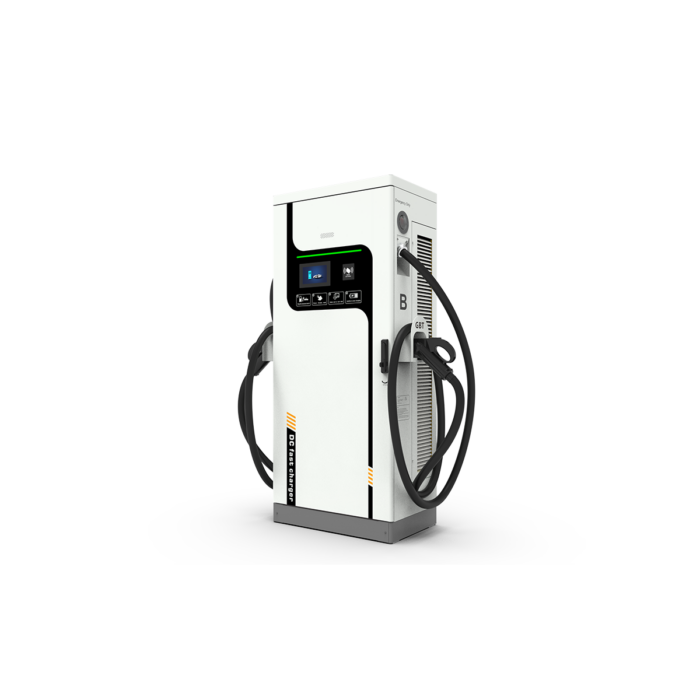
Here’s the shift that matters: modern fast chargers are built as systems, not boxes. They use silicon carbide (SiC) MOSFETs for higher efficiency at high switching speeds, which lowers heat and boosts sustained output. Modular DC bus designs let rectifier stacks scale and fail gracefully. Liquid cooling keeps connectors and cables within spec, so there’s less throttling during peak hours. Add edge computing nodes for local analytics and you get predictive maintenance instead of surprise alarms. Protocols matter too. ISO 15118 with Plug & Charge shortens start times and reduces user error. Fold in smart load balancing and peak shaving, and you tame demand charges without trimming service levels. That’s where a well-integrated platform like China EV charger 30 fits—by aligning hardware, firmware, and site controls. The net result: higher uptime, steadier speed, better grid behavior. It’s engineering serving operations—funny how that works, right?
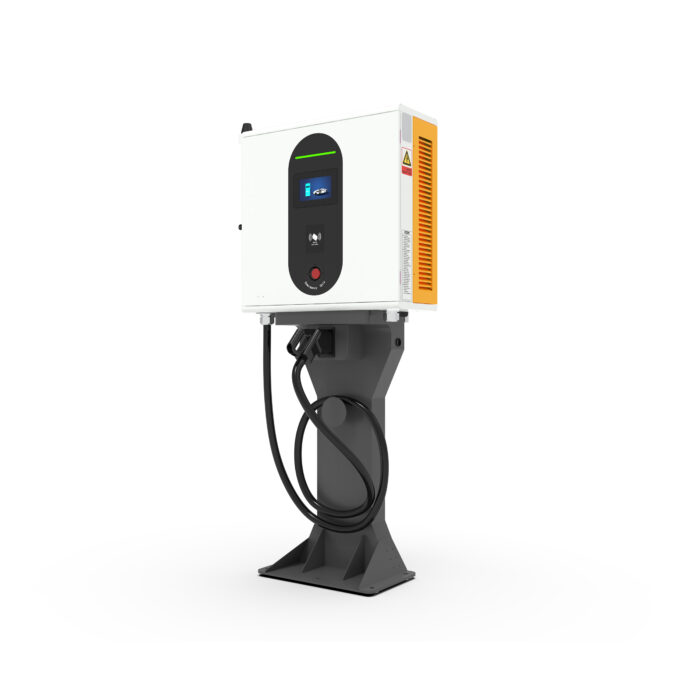
From here, your best move is to compare on principles, not marketing gloss. New stacks bring better power factor correction, tighter THD, and faster fault recovery. They enable V2G-ready pathways and smooth OCPP 2.0.1 workflows. They cut cooling loads with smarter airflow—or remove them with direct liquid loops. They shrink cabinets without shrinking output. The lessons so far are clear, so let’s end with a quick, practical checklist. Advisory close: 1) Uptime under heat and load—check sustained kW, not just peak, and verify thermal derating curves. 2) Grid friendliness—inspect demand charge controls, phase balancing, and harmonic limits under real load. 3) Control plane maturity—confirm OCPP depth, ISO 15118 support, and OTA cadence with rollback safety. Nail those, and the rest follows. Steady, strong, simple. That’s where your fleet wins—today and next quarter—with partners like Winline.

