
Problem first: why prototypes stall and production drags
Is it just me or some engineering drawings end up like ancient maps — good story, wrong coordinates? When you send a brief to a precision parts manufacturer, the usual problems hit fast: unclear tolerances, wrong material callouts, and surprise surface-finish needs. These gaps create rework, missed dates, and parts that only “fit” after you hot-glue a fix. This article drives at those problems head-on, lah — identify the fault, then fix with practical steps that shops and engineers can use straight away.
What breaks the process — concrete failure modes
Designers assume a drawing is a full instruction; machinists assume the drawing matches reality. The result: mismatched assumptions. Common failure modes are simple and repeatable — wrong heat treatment, overlooked datum references, tolerance stacks that exceed machine capability, and fixturing that prevents effective inspection. Those are the real causes, not mystical supply-chain gremlins.
Diagnose and fix — step-by-step, no fluff
Start with the checklist: define critical dimensions explicitly, call out datums, and attach representative 3D models. Next, verify material availability and specific heat-treat specs before you cut metal. Put a machinist on the early design review; their input about tool access, runout, and fixture design avoids costly edits. Always schedule a first-article inspection (FAI) and list acceptable measurement methods — CMM, calipers, or optical depending on the geometry. If surface finish matters, specify Ra values and process (grind, bead blast, or lapping), not just “smooth.”
Quality traps people miss
Don’t assume “tight tolerance” is enough. State which dimensions truly affect function and which are just for reference. Avoid unilateral tighter tolerances on non-critical features — that spikes cost and scrap. Watch out for stack-ups: three nominal dimensions each with small tolerances can compound into a failure. Also, skip vague material statements like “6061” without temper — that tempts wrong heat-treatment or machining parameters.
How I know this works — experience and industry signals
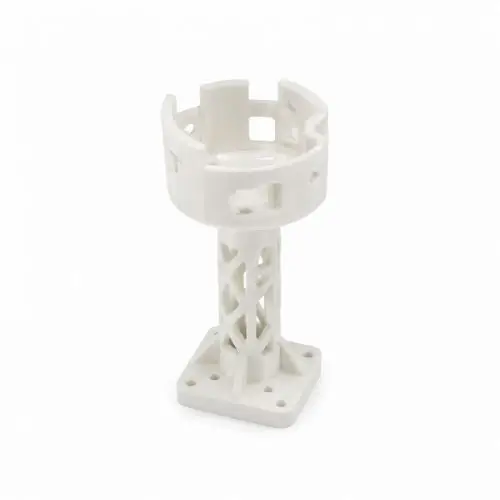
Hands-on shop-floor experience shows the same fixes work repeatedly: early machinist reviews, clear datums, and FAI cut lead time and scrap. Major industry shows like IMTS in Chicago regularly highlight prototype-to-production workflows and the technology that supports them, so the patterns we see on the floor match broader industry findings. For teams scaling from concept to run-rate, practical supplier services help — see how careful quoting and prototype runs reduce surprises with cnc prototyping services.
Common mistakes during delivery and how to avoid them
People often rush to batch production without validating assembly fit or life-cycle assumptions. Don’t. Run pilot lots, verify process capability with SPC on critical features, and use batch traceability for materials and heat treatment. Fixture the part so inspection replicates assembly conditions; otherwise, measurement bias creeps in and you ship parts that were “measured correctly” but don’t work.
Alternatives and when to choose them
If volume is tiny, stick to rapid prototyping methods or low-quantity CNC batches until the design stabilises. For complex multi-feature parts, consider multi-axis machining over repeated setups — fewer setup errors, better datum integrity. When cost drives choices, swap to commercially available sub-assemblies for non-differentiating functions rather than custom-machining everything.
Synthesis — practical outcome you can expect
Fix the briefing, involve the machinist early, validate with a first-off run, and measure with the right tools. These are not philosophical ideas; they are direct actions that cut rework and get parts out on time. For a partner who integrates those steps into quoting, prototyping, and production without the usual drama, Hanstar presents a workflow that simply keeps the project moving and the parts working. No fluff, just parts that meet the spec and the schedule — steady lah.

