
Why Meetings Sound Smart but Feel Slow
Ever notice how a meeting can be loud, busy, and oddly unproductive at the same time? In most rooms running a wireless conference system, the story is the same. You have people leaning in, blinking at red LEDs, and guessing whether the audio is clean. With a wireless conference microphone on every table, we’d expect less friction. Yet teams still lose minutes to mutes, dropouts, and guesswork—funny how that works, right? I’ve seen sessions where 20% of time goes into “Can you hear me?” and “Try again.” The RF spectrum gets crowded, QoS goes vague, and the DSP tries to fix what the room keeps breaking. Doesn’t that defeat the very point of the tech (you know, fewer delays and better clarity)? Here’s the kicker: when people doubt the audio path, they slow their decisions. They repeat. They validate twice. They hedge.
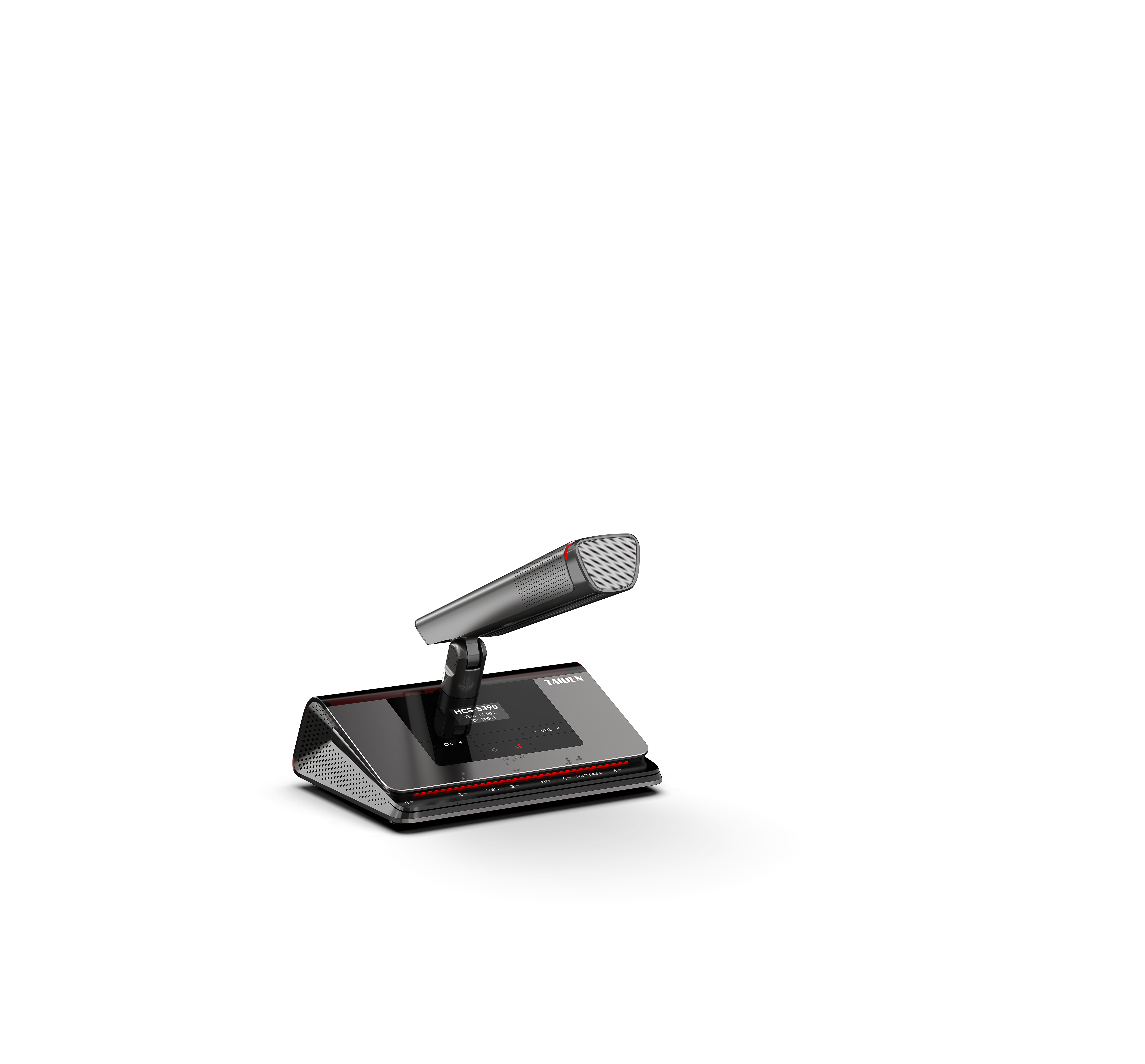
So the question isn’t “Does the mic work?” It’s “How do these systems shape the tempo of the room?” If signal flow and gain staging hide behind blinking icons, leaders stall. If talkers fear echo or jitter, they choose silence. That’s the real cost—lost decision velocity. Let’s pull back the cover.
The Deeper Layer: Why Legacy Fixes Keep Failing
Where do legacy setups break down?
Let’s go technical and plain. Most old-school rigs try to solve room chaos with more knobs. More gates. More AGC. But every patch comes with trade-offs. Gain rides introduce audible pump. Aggressive noise suppression chips away at low-level cues, so speech feels thin. Meanwhile, RF front-end design fights crowded bands, and the latency budgets creep upward as each stage “helps.” Look, it’s simpler than you think: if the chain hides the true state of each wireless conference microphone, your users will hedge. Add batteries with tired power converters, and you’ll get surprise brownouts mid-vote. Pile on inconsistent antenna geometry, and the link margin collapses when people stand, pivot, or block line-of-sight. Meetings aren’t lab tests. They move.
Then come the hidden costs. Edge computing nodes at the table do miracles—until they don’t. If their firmware handles beamforming arrays and AEC in silos, you get timing drift across channels. That’s when cross-talk and weird combing creep in. Switch fabrics with unmanaged QoS turn bursts into jitter. The result: micro-delays that feel like “laggy humans.” And yes, participants will blame themselves before the stack—until they stop talking. The flaw isn’t a bad mic; it’s a chain that masks state, eats margin, and burns trust.
New Principles, Faster Rooms
What’s Next
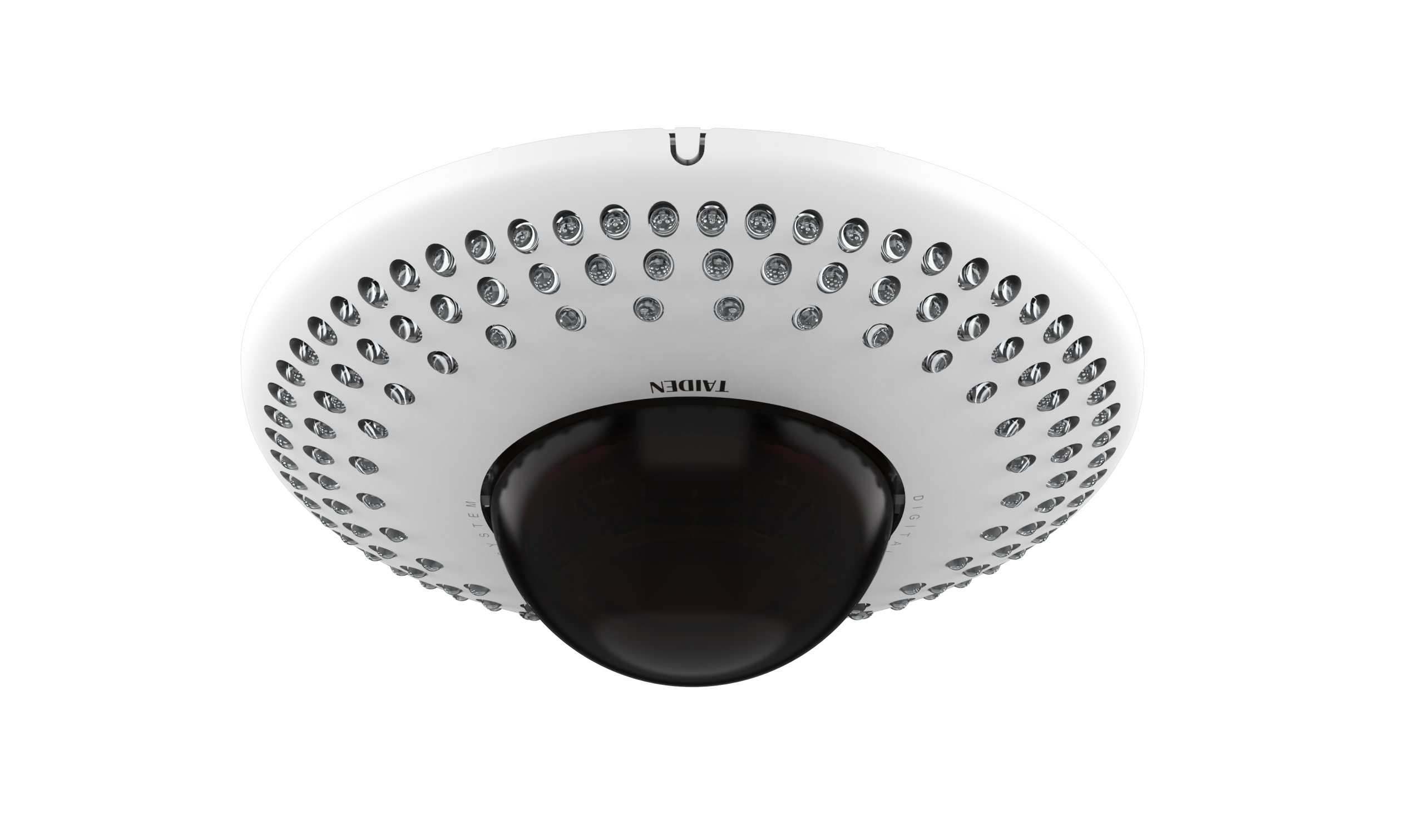
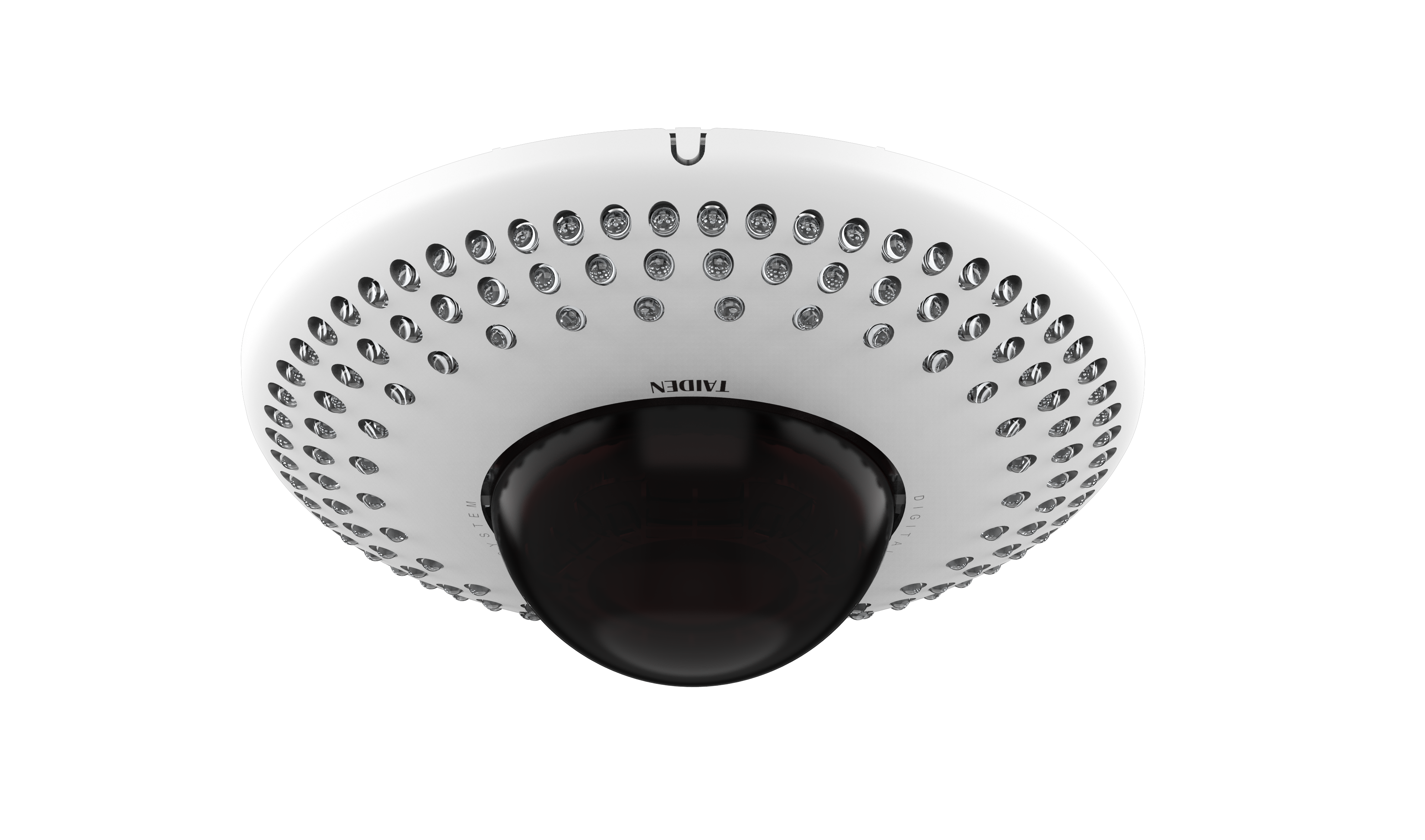
Comparing what works now to what used to pass as “fine,” the shift is clear. Modern systems bake clarity into the signal path rather than slapping patches on top. They treat RF and audio as one synchronized pipeline. Start with deterministic scheduling for channels, not opportunistic hopping. Add phase-coherent diversity in the receivers to manage body blocking. Keep end-to-end latency under a tight threshold—say, under 20 ms—even with AEC and noise suppression engaged. And unify the DSP graph so AEC, ANC, and dereverb share the same clock. When a platform like the taiden wireless conference system focuses on integrated timing, you cut jitter at the root, not at the edge. Small detail, big result. (Decisions speed up when timing is boring.)
Security and stability also need a clean baseline. Encrypt the air link without bloating frames. Stabilize PoE budgets so power converters don’t sag when units wake. Expose channel health with human-grade indicators, not just engineer logs—because a chairperson needs to see green, not stare at dBm. Then, push diagnostics where people are: on-screen, live, with clear fallback paths. This is the difference between “Trust the magic” and “Trust the math.” The future is not louder; it’s more legible—signal flows that explain themselves, and rooms that stay calm under load.
How to Choose: Three Metrics That Predict Real-World Wins
Advisory mode, short and useful—then you can get back to work.
1) Interference resilience you can measure: Look for RF spectrum planning tools, phase diversity, and real-time link margin readouts. If the system survives a dense band without manual heroics, your users will, too.
2) End-to-end coherence, not just low latency: Demand a published latency budget with AEC, ANC, and routing enabled; check clocking discipline across all nodes. Jitter should be stable, not “average.” If edge computing nodes can lock timing, speech feels natural.
3) Power and lifecycle clarity: Inspect battery analytics, charging cycles, and the health of power converters. A mic that dies mid-debate kills more than a sentence. Ask for smart charging profiles and visible state-of-health, not just a “full” icon—funny how that never means full, right?
Evaluate against these three, and you’ll hear fewer apologies and get faster votes. Spec sheets will still matter, but your room will matter more. For deeper technical reading and system-level design cues, see vendors like TAIDEN.

