
Introduction: The Comparative Puzzle in Modern Meeting Rooms
Meetings fail when audio fails, full stop. Your wireless conference system carries the weight of every vote, pitch, and decision. In Part 1 we mapped the basics; now we go deeper into what breaks under pressure and why an infrared wireless conference system shifts the odds. Picture a city council chamber at 9:00 a.m.—staff laptops, press Wi‑Fi, visitors’ phones. The 2.4 and 5 GHz bands are jammed. The RF front end in a typical mic unit fights for air, packet jitter climbs, and the latency budget gets tight. Security also matters; voice can leak. Line-of-sight sounds strict, yet it is actually a shield. With AES-128 encryption on top, light stays in the room, and so does the conversation. The data point is simple: in busy buildings, RF noise is not a glitch, it is the baseline. So the question: why bet your speech clarity on the noisiest spectrum in the building?
Why do legacy rooms still crackle?
Legacy RF setups carry hidden costs. Channel planning takes time (and gets undone by a single new router). Compliance reviews slow installs. Mic units can desync after a firmware push—funny how that works, right? Users feel it as pops, dropouts, and lag. In Part 1 we talked coverage and seats; here is the deeper layer: the pain comes from unmanaged neighbors. RF is shared. Any tenant can change your day with a cheap access point. Look, it’s simpler than you think. Infrared avoids that traffic because light does not pass walls. No hallway leakage, no floor‑to‑floor surprises. You still need good placement and gain staging, but you no longer wrestle the building’s Wi‑Fi. That is the quiet power of optics.
Infrared Principles vs RF Practice: A Forward Look
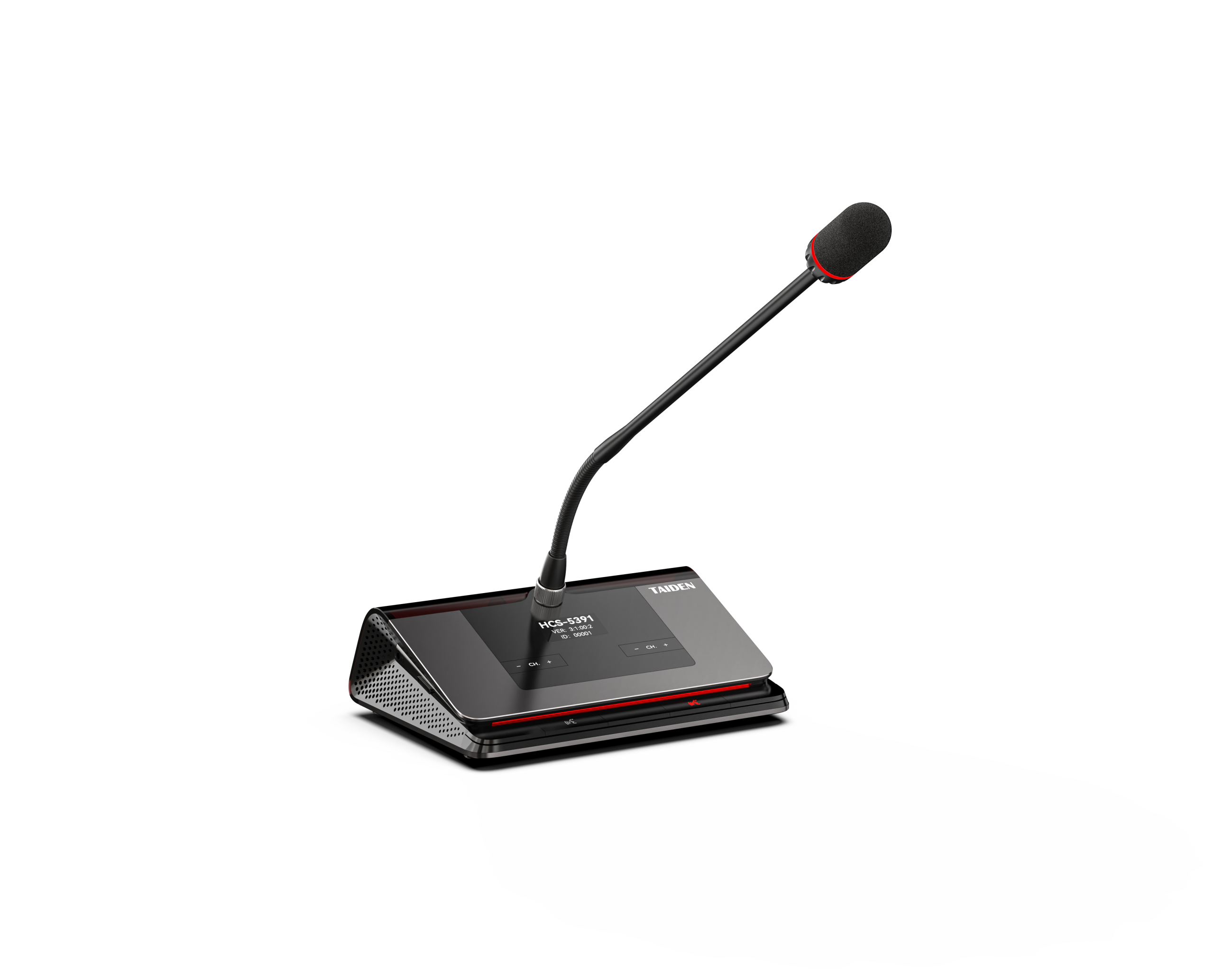
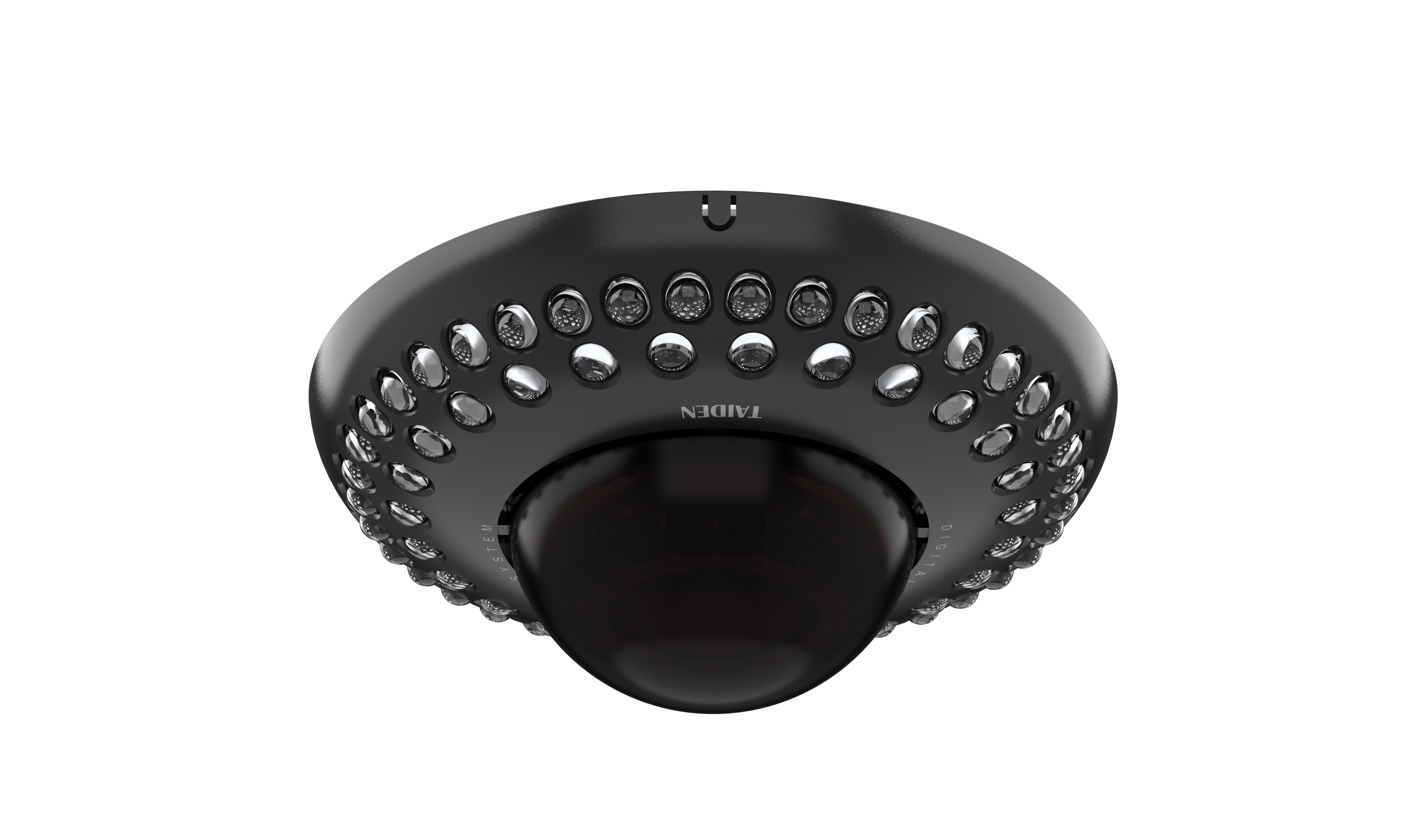
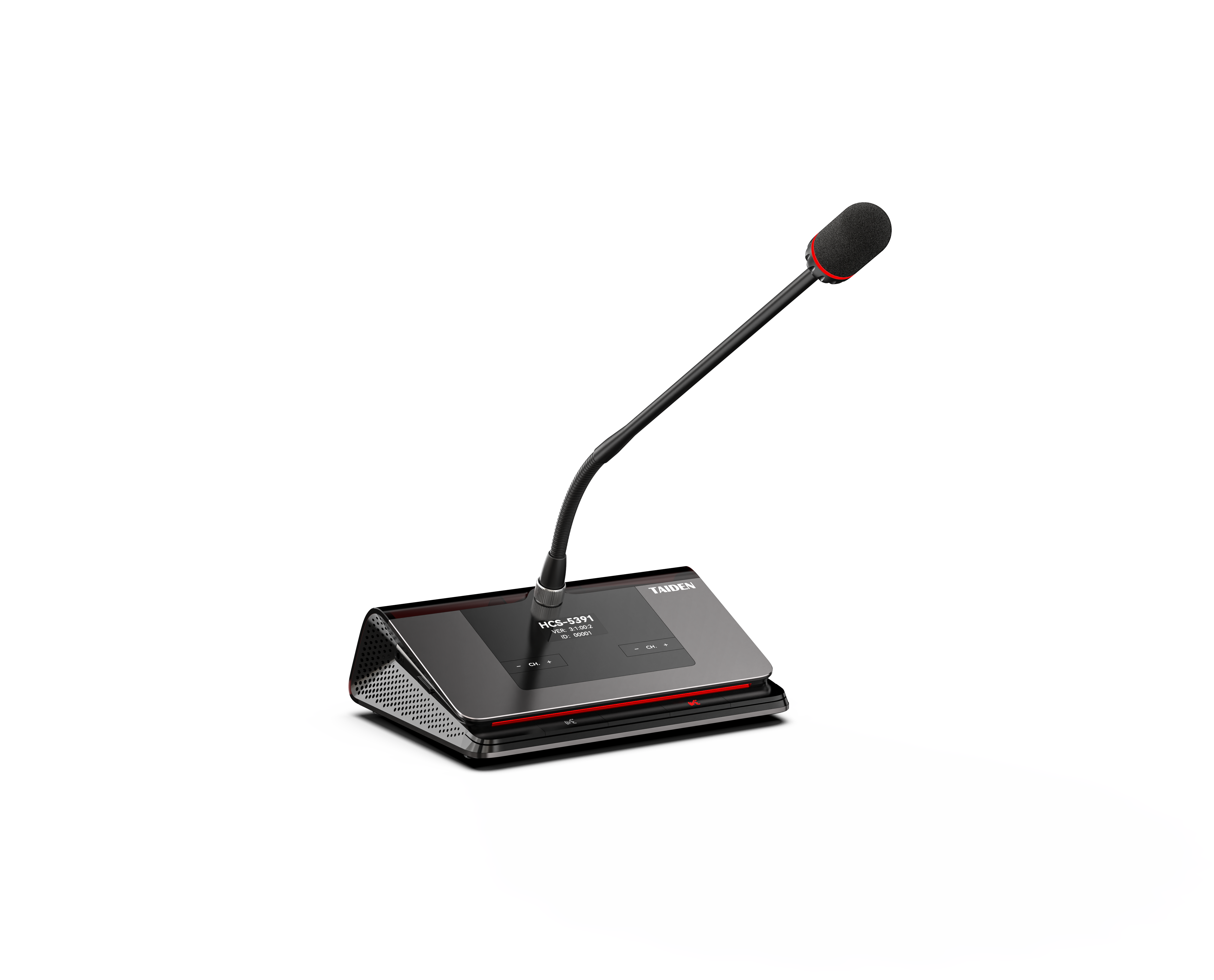
Infrared works on clear physics. A ceiling radiator sends modulated light; each microphone uses a photodiode receiver to decode speech. The room becomes the boundary—optical “walls” by default. That cuts external interference and stabilizes QoS without brute-force filters. DSP then handles echo and gain, not firefighting noise. In mixed-use halls, this matters more day to day than you think. When RF gets busy, performance swings. With IR, performance is steady. A modern digital wireless discussion device adds smart pairing, battery insight, and self-test tools. It is calmer to run, faster to train, and lighter on IT tickets. And yes, when the building adds new access points upstairs—your audio does not blink.
What’s Next
The next wave is not louder; it is smarter. Expect auto-mapping of radiator coverage, better heat management, and cleaner power rails, so fewer surprises from power converters. Expect faster encryption handshakes and tighter jitter buffers. Expect dashboards that flag sightline risk before an event—small prompts, big saves. Stepping back, here is how to choose with confidence: first, measure containment and security (room-bound light plus strong crypto). Second, measure continuity (end-to-end latency under 20 ms and low variance across full seats). Third, measure operational load (setup minutes per room, battery runtime per unit, maintenance tickets per quarter). Compare those three across RF and IR, not just price tags. The pattern is clear: stable rooms win more meetings. That is the practical lesson carrying us forward with TAIDEN.

